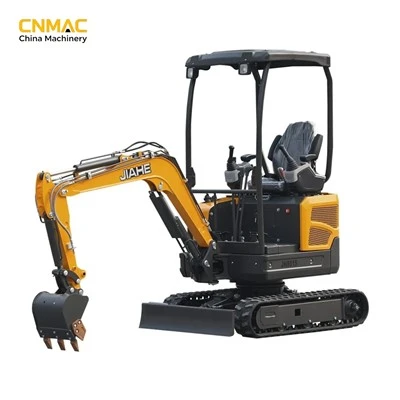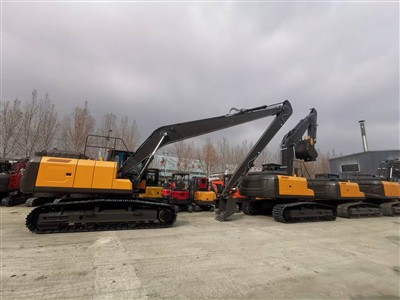

Single-bucket Excavator: Periodic operation (dig → rotate → dump → return), most common.
Multi-bucket Excavator: Continuous operation, such as a bucket wheel excavator.
By Drive Type
Mechanical Transmission (early models)
Semi-hydraulic Transmission (hydraulic working mechanism, mechanical travel/rotation)
Full Hydraulic Transmission (mainstream modern models, hydraulic drive for working mechanism, rotation, and travel)
By Usage and Structure
Construction Type (bucket capacity <2m³)
Mining Type (bucket capacity 2–8m³)
Stripping Type (bucket capacity 4–53m³, used for surface stripping in open-pit mines)
Tunnel Type (small tail swing radius, suitable for narrow spaces)
Operation Cycle: Includes four stages of digging, lifting and rotating with a full bucket, dumping, and returning.
Typical Movements
Boom lift (controlled by boom cylinder)
Arm extension/retraction (controlled by arm cylinder)
Bucket rotation (controlled by bucket cylinder)
Upper platform rotation (driven by swing motor)
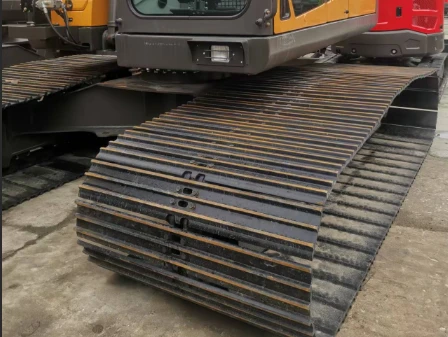
Whole machine travel (driven by travel motor on tracks or wheels)
Applicable Soil Types: Generally can excavate soil grades I–IV, grade V and above require blasting or the use of a hydraulic hammer.