First, the engine either won't crank or starts and then stalls almost immediately.
In many cases, the machine isn't actually broken-it's simply "hungry" or "thirsty." Before calling for a tow, check whether the diesel fuel is running low or whether the fuel system has frozen in cold weather. If the engine cranks slowly and sounds weak, the battery terminals may be loose or corroded. Tightening the terminals or using a jump start may get the machine running again. If the engine produces black smoke but lacks power, the air filter is often clogged with dust or mud and cannot get enough air through. Cleaning or replacing the air filter can usually restore normal engine performance.
Next, the machine may have plenty of engine power but feel weak when digging, with the boom, arm, or bucket moving unusually slowly.
This is usually a sign that the hydraulic system needs attention. Start by checking the hydraulic oil level and topping it up if necessary. If the machine is still sluggish after adding oil, a clogged hydraulic return filter may be restricting oil flow and preventing the hydraulic pump from operating efficiently. Another easily overlooked cause is a radiator or hydraulic oil cooler packed with dust, mud, or cottonwood fluff. Poor airflow can cause the hydraulic oil to overheat and become too thin, resulting in reduced hydraulic power. Thoroughly cleaning the cooler fins can often make a noticeable difference.
Another common problem is uneven travel, with the machine moving slowly on one side or not moving at all.
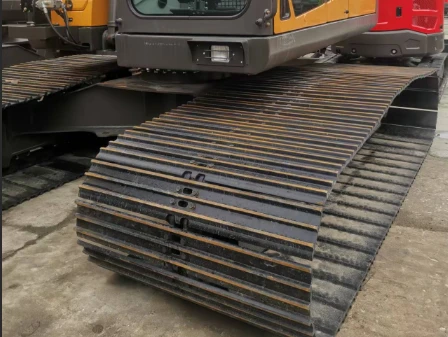
In many cases, the problem is related to the tracks rather than a major component failure. First, check whether rocks, dirt, or other debris are jammed around the drive sprocket or undercarriage. Also inspect the track tension, as an excessively loose track can affect travel performance. If only one side fails to move, the travel motor or its hydraulic control circuit may be at fault. A sticking or clogged counterbalance valve, for example, can restrict hydraulic oil flow to the travel motor. Cleaning the valve and checking the hydraulic circuit can often restore normal travel.
https://www.cnmachinery-global.com/excavator/mini-excavator/
Finally, there are those frustrating electrical problems that seem to appear out of nowhere.
The instrument panel may show warning lights incorrectly, the horn may stop working, or the windshield wiper may suddenly fail. Before tracing the entire wiring harness, check the basics first. A blown fuse or a loose, wet, or corroded electrical connector is often the culprit. Turn off the main power, inspect the relevant connectors, clean away any corrosion or moisture, and replace a blown fuse with one of the correct rating. In many cases, these simple checks are enough to get the electrical system working again.