



Ventilation in a wheel loader's cab is a critical aspect that significantly impacts the comfort, safety, and productivity of the operator. As a wheel loader supplier, we understand the importance of providing a well - ventilated cab environment. In this blog, we will explore the ventilation requirements in a wheel loader's cab and how our products meet these standards.
The Importance of Ventilation in a Wheel Loader Cab
Operator Comfort
The working environment inside a wheel loader cab can be quite harsh. High temperatures, especially during summer or in hot climates, can make the operator uncomfortable and fatigued. Proper ventilation helps to regulate the temperature inside the cab, keeping the operator cool and comfortable. A comfortable operator is more likely to stay focused and perform better, which in turn increases productivity.
Air Quality
Wheel loaders operate in various environments, including construction sites, mines, and industrial areas. These environments often contain dust, fumes, and other pollutants. Without adequate ventilation, these contaminants can accumulate inside the cab, posing a health risk to the operator. Good ventilation systems help to remove these pollutants and maintain a clean and healthy air supply inside the cab.
Safety
In addition to air quality, ventilation also plays a role in safety. In the event of a fire or other emergency, a well - ventilated cab can help to remove smoke and toxic gases, allowing the operator to escape safely.
Ventilation Requirements
Air Exchange Rate
The air exchange rate is a crucial factor in determining the effectiveness of a ventilation system. It refers to the number of times the air inside the cab is completely replaced within a given period. For a wheel loader cab, a recommended air exchange rate is typically around 5 - 10 air changes per hour. This ensures that fresh air is constantly being supplied to the cab and stale air is being removed.
Filtration
Effective filtration is essential for removing dust, pollen, and other airborne particles from the incoming air. The filtration system should be able to capture particles of various sizes, including fine dust. High - efficiency particulate air (HEPA) filters are often used in wheel loader cabs to provide a high level of filtration. These filters can remove up to 99.97% of particles as small as 0.3 microns.
Distribution of Air
The ventilation system should be designed to ensure that the air is evenly distributed throughout the cab. This helps to prevent hot or cold spots and ensures that the operator is comfortable in all areas of the cab. Air vents should be strategically placed to direct the air towards the operator's breathing zone.
Noise Reduction
While ventilation is important, it should not come at the expense of noise levels. The ventilation system should be designed to operate quietly, so as not to cause additional stress to the operator. Noise - reducing materials and mufflers can be used to minimize the noise generated by the ventilation system.
How Our Wheel Loaders Meet Ventilation Requirements
Advanced Ventilation Systems
Our wheel loaders are equipped with advanced ventilation systems that are designed to meet the highest standards of air quality and comfort. Our ventilation systems are capable of achieving the recommended air exchange rate, ensuring that fresh air is constantly circulated inside the cab.
High - Quality Filtration
We use high - quality filters in our wheel loaders to ensure effective removal of dust and other pollutants. Our filters are regularly tested and meet or exceed industry standards. This helps to protect the operator from harmful airborne particles and maintain a clean and healthy cab environment.
Optimal Air Distribution
Our ventilation systems are designed to provide optimal air distribution throughout the cab. The air vents are strategically placed to ensure that the air reaches all areas of the cab, including the operator's breathing zone. This helps to maintain a comfortable temperature and air quality for the operator.
Noise - Reducing Design
We understand the importance of a quiet working environment for the operator. Our ventilation systems are designed with noise - reducing features, such as mufflers and sound - absorbing materials. This helps to minimize the noise generated by the ventilation system, allowing the operator to work in a more peaceful environment.
Our Wheel Loader Models
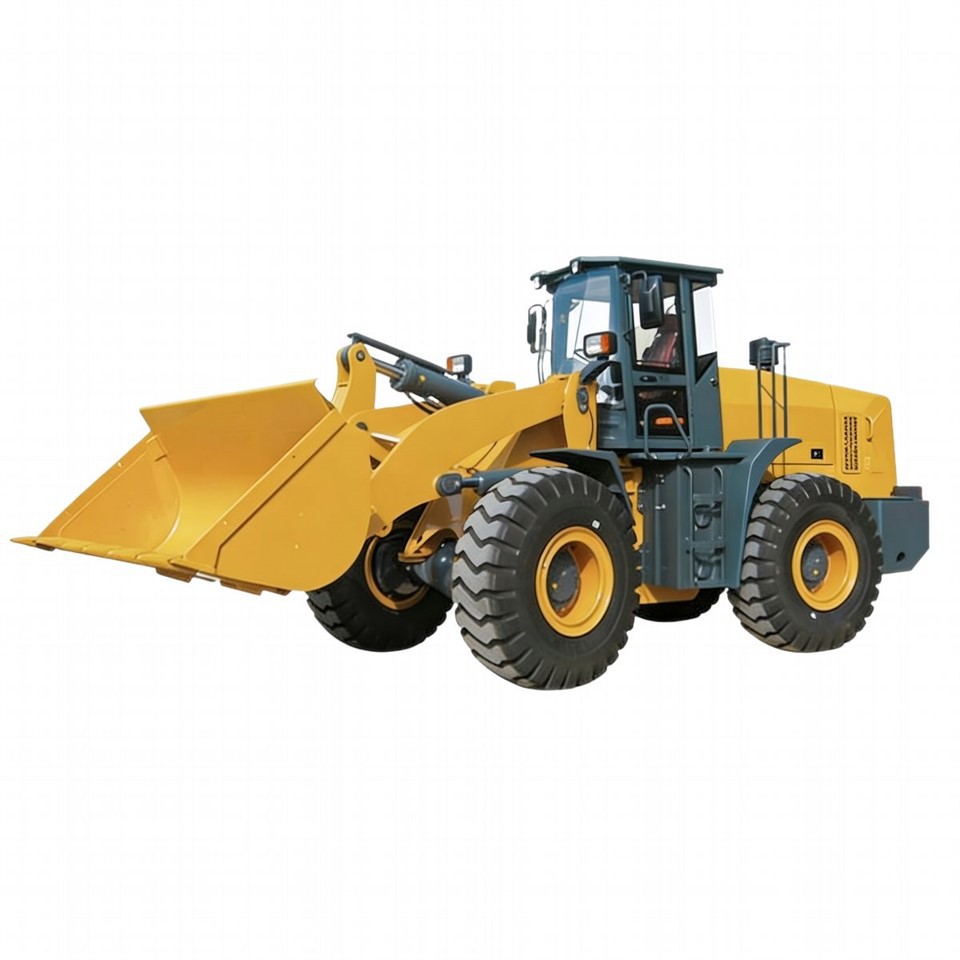
We offer a range of wheel loader models, each designed to meet the specific needs of our customers. Two of our popular models are the 3T Wheel Loader | 636 and the 5T Wheel Loader | 656.
The 3T Wheel Loader | 636 is a compact and versatile machine, suitable for a variety of applications. It is equipped with a state - of - the - art ventilation system that provides excellent air quality and comfort for the operator.
The 5T Wheel Loader | 656 is a more powerful machine, designed for heavy - duty applications. It also features an advanced ventilation system that meets the highest standards of ventilation requirements.

Conclusion
Ventilation in a wheel loader's cab is of utmost importance for the comfort, safety, and productivity of the operator. Our wheel loaders are designed to meet the strictest ventilation requirements, ensuring that our customers have a comfortable and healthy working environment. If you are in the market for a wheel loader, we invite you to contact us for more information and to discuss your specific needs. We are committed to providing high - quality products and excellent customer service.
References
- SAE International. (20XX). Standards for Ventilation in Construction Equipment Cabs.
- OSHA. (20XX). Guidelines for Air Quality in Industrial Workplaces.


