



Hey there! As an all - terrain crane supplier, I often get asked about the differences between all - terrain cranes and regular cranes. So, let's dive right in and break it all down.
Mobility and Terrain Adaptability
One of the most significant differences between all - terrain cranes and regular cranes is their mobility. Regular cranes, like tower cranes or stationary cranes, are usually fixed in one place. They're great for construction sites where they can be set up and used for an extended period to lift heavy loads in a specific area. For example, a tower crane on a high - rise building construction site stays in one position throughout most of the project.
On the other hand, all - terrain cranes are designed for maximum mobility. They're built with a powerful engine and a sophisticated suspension system that allows them to travel on various terrains. Whether it's rough, uneven ground at a mining site or a paved road leading to a city construction project, all - terrain cranes can handle it. This mobility means they can quickly move from one job site to another without the need for complex transportation arrangements.
Let's say you have a project that requires a crane to be moved between different locations within a large industrial park. An all - terrain crane can simply drive itself to the new spot, while a regular crane might need to be disassembled, transported on a trailer, and then reassembled at the new site. This saves a lot of time and money.
Versatility in Lifting
All - terrain cranes are incredibly versatile when it comes to lifting. They can be equipped with different types of attachments, such as hooks, grabs, and winches, to handle a wide range of lifting tasks. This makes them suitable for various industries, including construction, mining, and oil and gas.
Regular cranes, however, are often more specialized. For instance, a gantry crane is mainly used for moving heavy loads horizontally within a factory or a shipping yard. It's not designed to be as flexible as an all - terrain crane when it comes to different lifting scenarios.
All - terrain cranes can also lift at different angles and heights. They have telescopic booms that can be extended to reach high places, and they can rotate 360 degrees, giving them a wide range of motion. This is especially useful in situations where the load needs to be placed in a specific location, like on top of a building or in a tight space.
Setup Time
Another key difference is the setup time. Regular cranes, especially large tower cranes, can take days or even weeks to set up. They require a lot of preparation, including the installation of a foundation and the assembly of multiple components.
All - terrain cranes, on the other hand, can be set up relatively quickly. They're designed to be self - contained and can be operational within a short period. This is a huge advantage for projects with tight deadlines. For example, if there's an emergency repair job that requires a crane, an all - terrain crane can be on the site and ready to work in a matter of hours.
Cost Considerations
When it comes to cost, all - terrain cranes are generally more expensive to purchase than regular cranes. This is because of their advanced technology, mobility features, and versatility. However, the long - term cost can be more favorable. Since they can be used for multiple projects and don't require extensive setup and transportation costs, they can provide a better return on investment over time.
Regular cranes may have a lower upfront cost, but the cost of transportation, setup, and maintenance can add up, especially if they need to be moved frequently.
Our All - Terrain Crane Offerings
At our company, we offer a range of all - terrain cranes to meet different customer needs. For example, we have the 500T All - Terrain Crane | SAC5000C8 - 8. This powerful crane is capable of handling heavy - duty lifting tasks with ease. It's equipped with state - of - the - art technology and a robust design to ensure reliable performance.
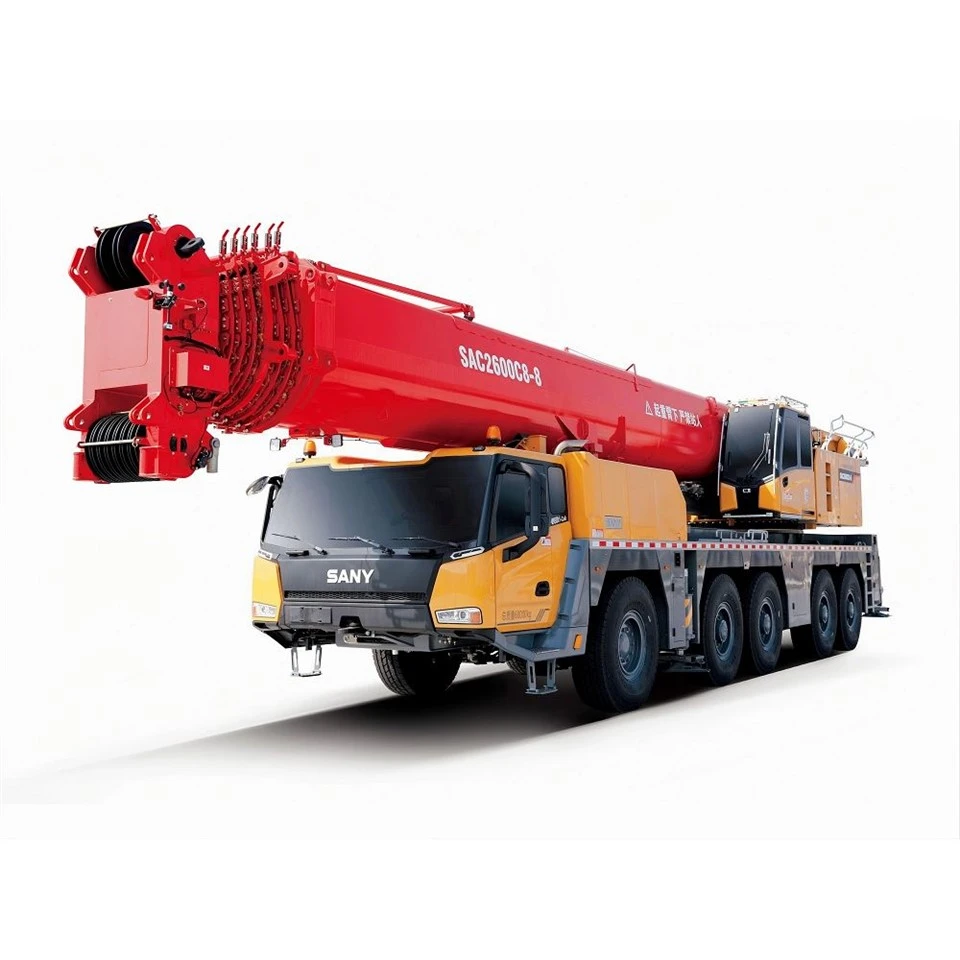
We also have the 260T All - Terrain Crane | SAC2600C8 - 8. This crane is a great option for medium - sized projects. It offers a good balance between lifting capacity and mobility.

Conclusion
In conclusion, all - terrain cranes and regular cranes have their own unique features and advantages. All - terrain cranes are ideal for projects that require mobility, versatility, and quick setup. Regular cranes, on the other hand, are better suited for long - term, stationary projects.
If you're in the market for a crane and need more information about our all - terrain crane offerings, don't hesitate to reach out. We're here to help you find the right crane for your project. Whether you're a construction company, a mining operation, or an oil and gas firm, we can provide you with the best solution.
References
- Crane Industry Handbook
- Construction Equipment Magazine
- Manufacturer's specifications for all - terrain and regular cranes


