



Transporting a drilling machine safely is crucial, especially when you're in the business like me - a drilling machine supplier. I've seen firsthand the importance of getting this right, as a single mishap during transportation can not only damage the equipment but also put people at risk. In this blog, I'll share some key tips on how to transport a drilling machine safely.
Pre - Transport Preparation
Before you even think about moving the drilling machine, you need to do a thorough inspection. Check for any loose parts, leaks, or signs of damage. Tighten any loose bolts and nuts, and make sure all the safety guards are in place. This step is super important because it can prevent small issues from turning into big problems during the journey.
Next, you'll need to gather all the necessary tools and equipment for the transport. This includes straps, chains, and padding. Straps and chains are used to secure the drilling machine to the transport vehicle, while padding helps protect it from scratches and impacts.
Choosing the Right Transport Vehicle
The type of transport vehicle you choose depends on the size and weight of the drilling machine. For smaller drilling machines, a flat - bed truck might be sufficient. However, for larger and heavier models, you may need a specialized trailer. Make sure the vehicle has enough capacity to carry the drilling machine safely. You also need to ensure that the vehicle is in good condition, with proper brakes, tires, and suspension.
Securing the Drilling Machine
Once you've chosen the right transport vehicle, it's time to secure the drilling machine. Start by placing the machine in the center of the vehicle to ensure even weight distribution. Then, use straps and chains to tie it down. Make sure the straps are tight and there is no slack. You can also use padding between the machine and the vehicle to prevent any damage.
When using chains, make sure they are properly attached to the machine and the vehicle. Use chain binders to tighten the chains and ensure a secure fit. Don't forget to check the tightness of the straps and chains regularly during the journey, as they may loosen over time.
Loading and Unloading
Loading and unloading the drilling machine is a critical step. Use a forklift or a crane to lift the machine onto the transport vehicle. Make sure the operator is experienced and trained to handle the equipment. When unloading, follow the same procedure in reverse.
During loading and unloading, it's important to have a clear communication plan. The person operating the lifting equipment and the person guiding the machine should be in constant communication to ensure a safe operation.
Special Considerations for Different Types of Drilling Machines
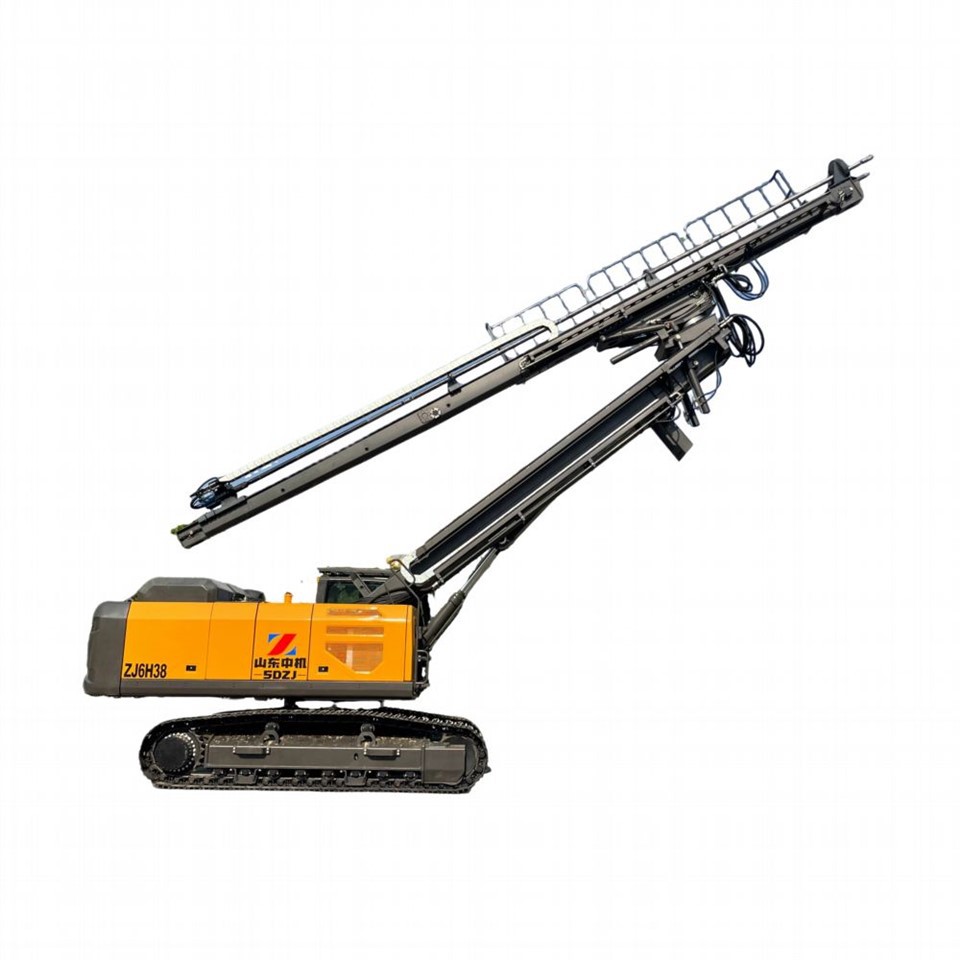
If you're transporting an Anchor Drilling Rig, you need to pay special attention to its long and often heavy components. These rigs are designed for specific tasks, and their unique structure requires careful handling. Make sure to secure all the extended parts properly to prevent them from swinging or shifting during transport.
For a Top Hammer Drilling Rig, the hammer mechanism is a vital part. Protect it from any damage by using extra padding. Also, ensure that the hydraulic lines and electrical connections are well - secured to avoid any breakage.
Route Planning
Before setting off, plan your route carefully. Avoid roads with low bridges, sharp turns, or uneven surfaces. Check the weather forecast as well, as adverse weather conditions can make the transport more dangerous. If possible, choose a route with minimal traffic to reduce the risk of collisions.
Monitoring During Transport
During the journey, it's important to monitor the drilling machine. Stop at regular intervals to check the straps and chains, and make sure the machine is still secure. If you notice any signs of movement or damage, stop immediately and take the necessary steps to fix the issue.

Post - Transport Checks
Once the drilling machine has reached its destination, do another inspection. Check for any new damage that may have occurred during transport. If you find any issues, document them and take the necessary steps to repair them.
Conclusion
Transporting a drilling machine safely requires careful planning and attention to detail. By following these tips, you can minimize the risk of damage and ensure that the machine arrives at its destination in good condition.
If you're in the market for a high - quality drilling machine, we're here to help. Whether you need an anchor drilling rig or a top hammer drilling rig, we've got a wide range of options to meet your needs. Get in touch with us to discuss your requirements and find the perfect drilling machine for your project.
References
- Industry standards for heavy equipment transportation
- Manufacturer's guidelines for drilling machine transport


