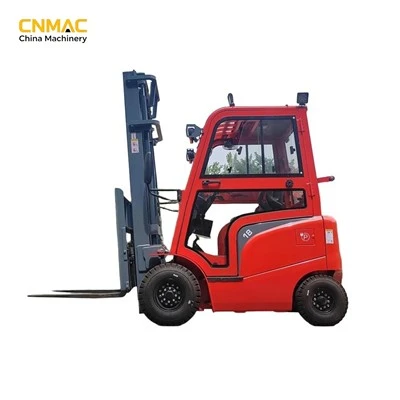


As a supplier of telescopic handlers, I am often asked about the safety features of these versatile machines. Telescopic handlers, also known as telehandlers, are essential equipment in various industries, including construction, agriculture, and warehousing. Their ability to reach high and extend far makes them incredibly useful, but safety is always a top priority. In this blog, I will explore the key safety features of a telescopic handler and why they are crucial for operators and the work environment.

1. Stability Systems
One of the most critical safety aspects of a telescopic handler is its stability. These machines are designed to lift heavy loads at various heights and distances, which can create significant stress on the chassis. To ensure stability, modern telescopic handlers are equipped with advanced stability systems.
- Outriggers: Many telescopic handlers come with outriggers that can be extended to provide a wider base of support. When the outriggers are deployed, they distribute the weight of the machine and the load more evenly, reducing the risk of tipping over. For example, when lifting a heavy load at maximum reach, the outriggers can be extended to prevent the machine from becoming unstable.
- Load Moment Indicator (LMI): An LMI is a vital safety feature that continuously monitors the load being lifted and the position of the boom. It calculates the load moment, which is the product of the load weight and the distance from the pivot point of the boom. If the load moment exceeds the machine's safe operating limits, the LMI will alert the operator, either through visual or audible signals. This helps prevent overloading and ensures that the machine is operated within its capabilities.
2. Operator Protection
The safety of the operator is of utmost importance. Telescopic handlers are designed with several features to protect the operator from potential hazards.
- ROPS/FOPS Cab: A Roll-Over Protective Structure (ROPS) and a Falling Object Protective Structure (FOPS) are standard features in most telescopic handlers. The ROPS is designed to protect the operator in the event of a roll-over, while the FOPS protects against falling objects. The cab is constructed with strong materials and is engineered to withstand significant impact forces, providing a safe environment for the operator.
- Visibility: Good visibility is essential for safe operation. Telescopic handlers are designed with large windows and mirrors to provide the operator with a clear view of the surroundings. Some models also feature rearview cameras and proximity sensors, which can help the operator detect obstacles and avoid collisions.
3. Boom Safety
The boom is the most distinctive feature of a telescopic handler, and its safe operation is crucial. There are several safety features related to the boom.
- Boom Locking Mechanisms: To prevent the boom from accidentally retracting or extending, telescopic handlers are equipped with boom locking mechanisms. These mechanisms ensure that the boom remains in the desired position during operation, reducing the risk of sudden movement that could cause injury or damage.
- Anti-Two Blocking System: An anti-two blocking system is designed to prevent the boom from contacting the load when it is fully extended. This system uses sensors to detect when the load is approaching the boom and will automatically stop the boom from further extension. This helps prevent damage to the machine and the load and reduces the risk of accidents.
4. Hydraulic System Safety
The hydraulic system is responsible for powering the boom and other functions of the telescopic handler. Safety features in the hydraulic system are essential to prevent malfunctions and ensure reliable operation.
- Pressure Relief Valves: Pressure relief valves are installed in the hydraulic system to prevent overpressure. If the pressure in the system exceeds a safe level, the pressure relief valve will open, allowing the hydraulic fluid to flow back to the reservoir. This helps prevent damage to the hydraulic components and ensures the safety of the operator.
- Hose Burst Protection: Hydraulic hoses are subject to high pressure and can be prone to bursting. To prevent this, many telescopic handlers are equipped with hose burst protection devices. These devices can detect a sudden drop in pressure in the hose and will automatically shut off the flow of hydraulic fluid, preventing the hose from bursting and reducing the risk of injury.
5. Braking and Steering Systems
The braking and steering systems of a telescopic handler are critical for safe operation.
- Service Brakes: Telescopic handlers are equipped with reliable service brakes that can quickly and effectively stop the machine. The brakes are designed to provide sufficient stopping power, even when the machine is carrying a heavy load. Regular maintenance of the brakes is essential to ensure their proper functioning.
- Parking Brakes: A parking brake is an important safety feature that prevents the machine from rolling when it is parked. The parking brake should be engaged whenever the machine is not in use, especially on slopes.
- Steering System: The steering system of a telescopic handler is designed to provide precise control. Some models feature multiple steering modes, such as two-wheel steering, four-wheel steering, and crab steering, which allow the operator to maneuver the machine in tight spaces. The steering system should be regularly inspected and maintained to ensure safe operation.
The FT35 Telescopic Forklift: A Safe and Reliable Choice
If you are in the market for a telescopic handler, I would like to introduce our FT35 Telescopic Forklift. This machine is equipped with all the safety features mentioned above, as well as many other advanced technologies.
The FT35 Telescopic Forklift has a robust stability system, including outriggers and an LMI, to ensure safe lifting operations. The ROPS/FOPS cab provides excellent operator protection, and the large windows and rearview camera offer superior visibility. The boom locking mechanisms and anti-two blocking system ensure the safe operation of the boom, while the hydraulic system is equipped with pressure relief valves and hose burst protection.
In addition, the FT35 Telescopic Forklift has reliable braking and steering systems, making it easy to operate and maneuver in various work environments. Whether you are working in construction, agriculture, or warehousing, the FT35 Telescopic Forklift is a safe and reliable choice.
Conclusion
Safety is a top priority when it comes to operating a telescopic handler. The safety features mentioned in this blog are designed to protect the operator, the machine, and the work environment. By understanding these safety features and ensuring that they are properly maintained, operators can minimize the risk of accidents and ensure the safe and efficient operation of the telescopic handler.
If you are interested in purchasing a telescopic handler or have any questions about our products, please do not hesitate to contact us. We are always happy to assist you and provide you with the information you need to make an informed decision.
References
- Manufacturer's manuals for telescopic handlers
- Industry standards and regulations related to telescopic handler safety