



Hey there! As a supplier of drilling machines, I often get asked about the electrical requirements for corded drilling machines. It's a crucial topic, especially for those who are new to using these powerful tools. So, let's dive right in and explore what you need to know about the electrical aspects of corded drilling machines.
First off, let's talk about voltage. The voltage of a corded drilling machine is one of the most important electrical requirements. Most standard household corded drilling machines in the United States operate at 120 volts. This is the standard voltage for household electrical outlets in the US. It's a safe and commonly available voltage, which makes these machines easy to use at home or in small workshops.
However, in industrial settings or for heavy - duty drilling tasks, you might come across drilling machines that require 240 volts. These high - voltage machines are more powerful and can handle tougher materials and larger drill bits. They're often used for professional construction projects, mining, and other heavy industries.
When it comes to choosing the right voltage for your drilling machine, you need to consider your intended use. If you're just doing some light DIY projects around the house, like hanging shelves or assembling furniture, a 120 - volt drilling machine will be more than enough. But if you're working on a large - scale construction site or dealing with thick metal or concrete, a 240 - volt machine might be the better choice.

Another important electrical requirement is the amperage. Amperage, or amps for short, measures the amount of electrical current flowing through the drilling machine. The higher the amperage, the more power the machine has. A drilling machine with a higher amperage can drill through tougher materials more quickly and with less effort.
For example, a small corded drill for home use might have an amperage of around 3 - 5 amps. This is sufficient for drilling into wood, plastic, and soft metals. On the other hand, a heavy - duty industrial drill could have an amperage of 10 amps or more. These high - amp drills can easily handle concrete, steel, and other hard materials.
It's also essential to make sure that your electrical circuit can handle the amperage of your drilling machine. If you try to run a high - amp drill on a circuit that can't support it, you might trip the circuit breaker. This is a safety feature designed to prevent overheating and electrical fires. So, before you start using your drill, check the amperage rating of your electrical circuit and make sure it's compatible with your machine.
Power is another key factor. Power is measured in watts and is calculated by multiplying the voltage by the amperage (Watts = Volts x Amps). A higher - wattage drilling machine will generally have more power and be able to perform more demanding tasks. For instance, a 120 - volt drill with a 5 - amp rating has a power of 600 watts (120 x 5 = 600). This is a decent power level for most home - use drills. But for industrial applications, you might need a drill with a power of 1500 watts or more.
Now, let's talk about the type of electrical outlet and plug. Most corded drilling machines in the US use a standard three - prong plug. The third prong is for grounding, which is a safety feature that helps prevent electrical shocks. Make sure that your electrical outlets are properly grounded to ensure the safe operation of your drilling machine.
In addition to the basic electrical requirements, there are also some other things to keep in mind. For example, the length of the power cord can affect the performance of your drill. A longer power cord can cause a voltage drop, which means that the drill might not receive the full voltage it needs to operate at its best. If you need to use a long power cord, consider using a thicker gauge cord to minimize the voltage drop.
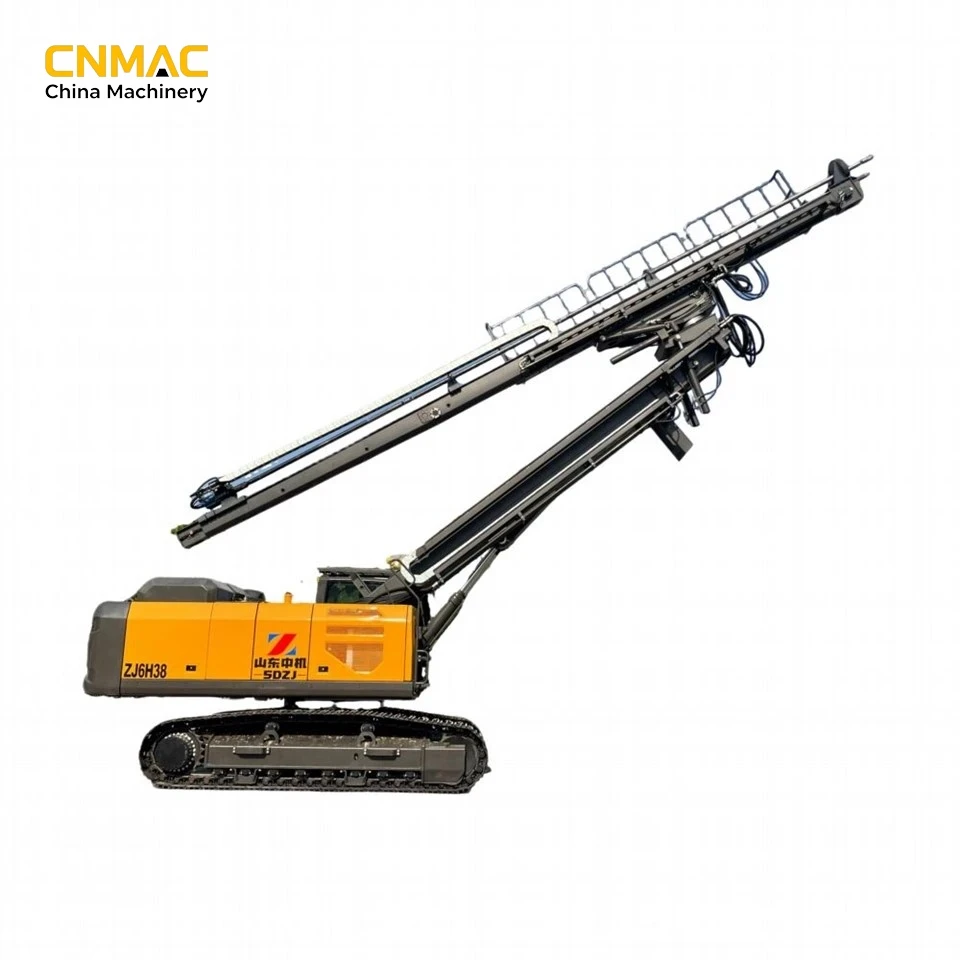
When it comes to our product offerings, we have a wide range of corded drilling machines to meet different electrical requirements and user needs. For instance, we offer the Long Reach Anchor Drilling Rig - Soil Nailing for Slope Stabilization. This machine is often used in industrial and construction applications and may have specific electrical requirements depending on its model and features. It's designed to provide reliable performance in challenging environments.
Another great option is our Top Hammer Drilling Rig. This rig is known for its high - power performance and is suitable for a variety of drilling tasks. It also has specific electrical needs based on its configuration, which our team can help you understand before making a purchase.
If you're in the market for a corded drilling machine, we're here to help. Our team of experts can provide you with detailed information about the electrical requirements of each machine, as well as offer advice on choosing the right one for your specific needs. Whether you're a DIY enthusiast or a professional contractor, we have the right drilling machine for you.
If you have any questions or want to start a conversation about purchasing a drilling machine, feel free to reach out to us. We're always happy to discuss your requirements and help you find the perfect solution.
References
- Electrical Engineering Handbook for Drilling Equipment, various industry - published editions
- Manufacturer's manuals for popular corded drilling machines


