

Hey there! As a motor supplier, I've seen firsthand how important it is to keep your motors in top - notch condition. Motors are like the heart of many machines, and if they're not well - maintained, it can lead to all sorts of problems. So, in this blog, I'm gonna share some tips on how to maintain a motor.
1. Regular Inspections
The first step in motor maintenance is regular inspections. You should take a look at your motor at least once a month. Check for any signs of wear and tear, like frayed wires or loose connections. Also, look for any leaks. A leaking motor can lose hydraulic fluid, which can cause it to overheat and eventually break down.
When you're doing your inspection, pay close attention to the motor's housing. If there are any cracks or dents, it could be a sign of internal damage. You can use a flashlight to get a better look at hard - to - reach areas. And don't forget to check the motor's mounting bolts. Make sure they're tight; loose bolts can cause the motor to vibrate, which is not good for its lifespan.
2. Keep It Clean
A clean motor is a happy motor. Dirt, dust, and debris can build up on the motor over time, which can cause it to overheat. Use a soft brush or a compressed air canister to gently remove any dirt from the motor's exterior. Be careful not to damage any of the delicate components.
For the interior of the motor, if you're experienced and feel confident, you can open it up and clean the internal parts. But if you're not sure what you're doing, it's best to leave it to the professionals. You can also use a specialized motor cleaner for a more thorough clean, but make sure to follow the instructions on the cleaner's label.
3. Maintain the Right Fluid Level
For hydraulic motors, maintaining the right fluid level is crucial. Low fluid levels can cause the motor to overheat, while too much fluid can lead to leaks. Check the fluid level regularly, and top it up if necessary. Use only the recommended type of hydraulic fluid for your motor. You can find this information in the motor's user manual.
If you notice that the fluid is dirty or has a strange smell, it's time to change it. A dirty fluid can cause damage to the motor's internal components. Changing the fluid is a relatively simple process, but again, if you're not comfortable doing it, seek professional help.
4. Monitor the Temperature
Motors generate heat when they're running, but if the temperature gets too high, it can cause serious damage. You can use a temperature gun to monitor the motor's temperature. If the temperature is consistently above the recommended level in the user manual, there could be an issue.
High temperatures can be caused by a variety of factors, such as overloading the motor, a lack of proper lubrication, or a problem with the cooling system. If you notice high temperatures, stop using the motor immediately and investigate the cause.
5. Lubrication
Proper lubrication is essential for the smooth operation of a motor. Lubricants reduce friction between the moving parts, which helps to prevent wear and tear. Make sure to use the right type of lubricant for your motor, as different motors may require different lubricants.
Check the lubricant level regularly, and if it's low, add more. You should also replace the lubricant at the intervals recommended in the user manual. Over time, lubricants can break down and lose their effectiveness, so it's important to stay on top of this.
Specific Motors and Their Maintenance
Let's talk about some specific motors that we offer.
The 30 - 36T Hydraulic Motor | KYB MAG - 180VP - 6000 is a powerful motor that is commonly used in heavy - duty applications. When maintaining this motor, it's especially important to keep a close eye on the hydraulic fluid. This motor operates under high pressure, so any issues with the fluid can quickly lead to problems. Also, because of its heavy - duty use, make sure to inspect the mounting points frequently to ensure they're secure.
The MAG - 170VP - 3800 Hydraulic Motor is another great option. This motor is known for its reliability, but like all motors, it still needs proper maintenance. Check the seals regularly to prevent fluid leaks. A small leak can quickly turn into a big problem if left unattended. And as always, keep the motor clean and well - lubricated.
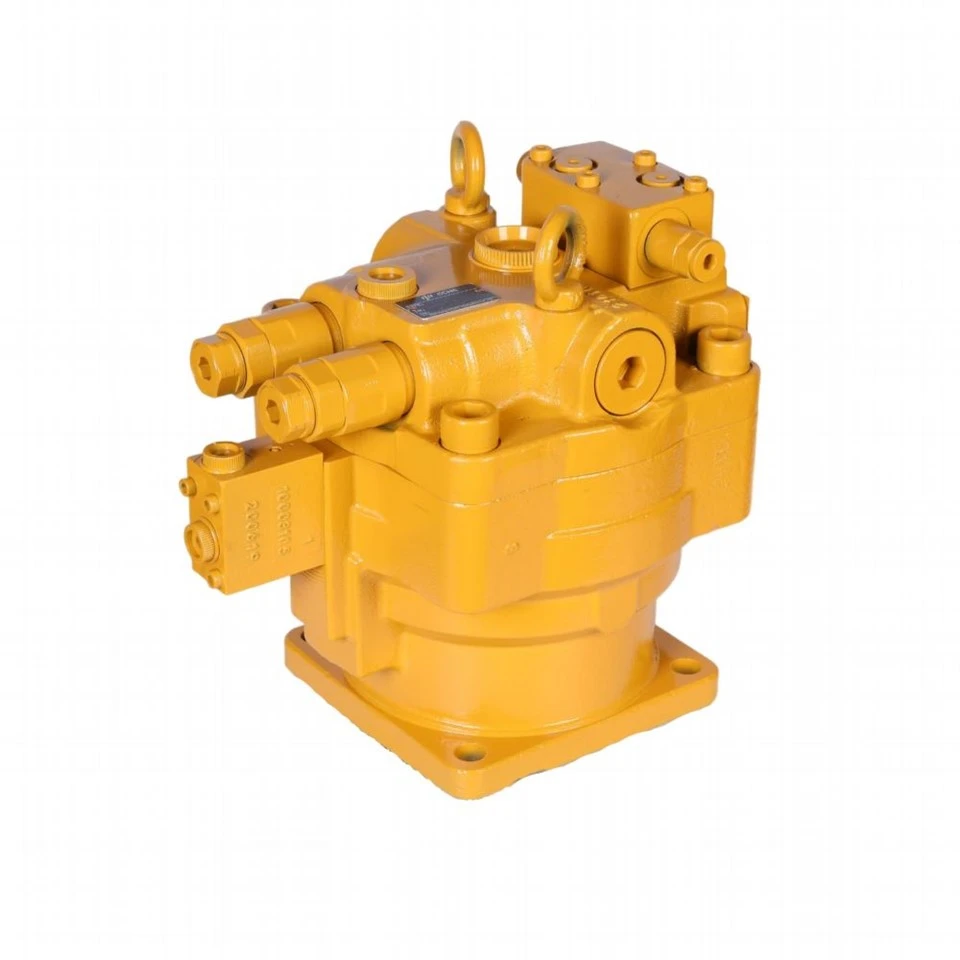

The 25 - 30T Hydraulic Motor | KYB MAG - 170VP - 3800 is similar to the MAG - 170VP - 3800 in many ways. Make sure to follow the same maintenance steps, such as checking the fluid level, inspecting for leaks, and lubricating the moving parts. And because it's used in a specific weight range of equipment, make sure to operate it within its recommended load capacity to avoid overheating and premature wear.
The 20 - 28T Swing Motor | MA180W01 - 321036 is designed for swinging operations. This type of motor is subject to a lot of torque and movement. So, when maintaining it, focus on the bearings. The bearings should be checked for any signs of damage or excessive wear. Also, make sure the motor is properly aligned; misalignment can cause uneven wear on the components.
The MA23W01 - 333 Hydraulic Motor is a versatile motor. For its maintenance, pay special attention to the electrical connections if it's an electrically - assisted hydraulic motor. Loose or corroded electrical connections can cause the motor to malfunction. And as with other motors, keep an eye on the fluid level and cleanliness.
Conclusion
Maintaining a motor is not overly complicated, but it does require a bit of time and attention. By following these simple steps, you can extend the lifespan of your motor and avoid costly repairs. If you have any questions about motor maintenance or are interested in purchasing a motor, feel free to reach out. I'm here to help you get the most out of your motor. Whether you need a new motor or just some advice on maintenance, don't hesitate to contact me for further discussion.
References
- General knowledge from years of experience as a motor supplier.
- Manufacturer's user manuals for the motors mentioned.