



Transporting a wheel loader is a crucial process that requires careful planning and execution, especially when you're a supplier like me dealing with various models such as the 3T Wheel Loader | 636 and 5T Wheel Loader | 656. In this blog, I'll share some insights and tips on how to transport a wheel loader effectively and safely.
Pre - transport Preparation
Inspection
Before transporting a wheel loader, a thorough inspection is essential. Check the overall condition of the machine, including the tires, hydraulic systems, and engine. Ensure that all parts are in good working order and that there are no loose or damaged components. For example, a loose tire can pose a significant risk during transportation, potentially causing an accident.
Documentation
Gather all the necessary documentation. This includes the machine's registration, insurance, and any permits required for transportation. Different regions may have different regulations regarding the transportation of heavy equipment, so it's important to be well - informed. For instance, in some areas, you may need a special permit for oversized or overweight loads.
Cleaning
Clean the wheel loader to remove any dirt, debris, or loose materials. This not only makes the machine look better but also helps in preventing any residue from falling off during transit, which could cause damage to the transport vehicle or create a hazard on the road.
Securing Components
Detach any removable parts such as buckets or attachments. These parts can be heavy and may shift during transportation, causing damage to the loader or the transport equipment. Secure all loose wires and hoses to prevent them from getting caught or damaged.
Choosing the Right Transport Method
Flatbed Trucks
Flatbed trucks are a popular choice for transporting wheel loaders. They offer a large, open - top platform that can easily accommodate the size and weight of the loader. When using a flatbed truck, make sure it has the appropriate weight capacity. For a 3T wheel loader, a truck with a sufficient payload capacity is required, and for a larger 5T wheel loader, an even more robust truck is needed.
Low - boy Trailers
Low - boy trailers are ideal for transporting wheel loaders, especially when dealing with taller models. They have a lower deck height, which reduces the overall height of the load, making it easier to clear bridges and other overhead obstacles. This is particularly important when transporting the equipment over long distances.
Loading the Wheel Loader
Positioning
Position the transport vehicle in a stable and level area. The wheel loader should be loaded in the center of the flatbed or trailer to ensure proper balance. Uneven loading can cause the vehicle to tip during transit, leading to serious accidents.

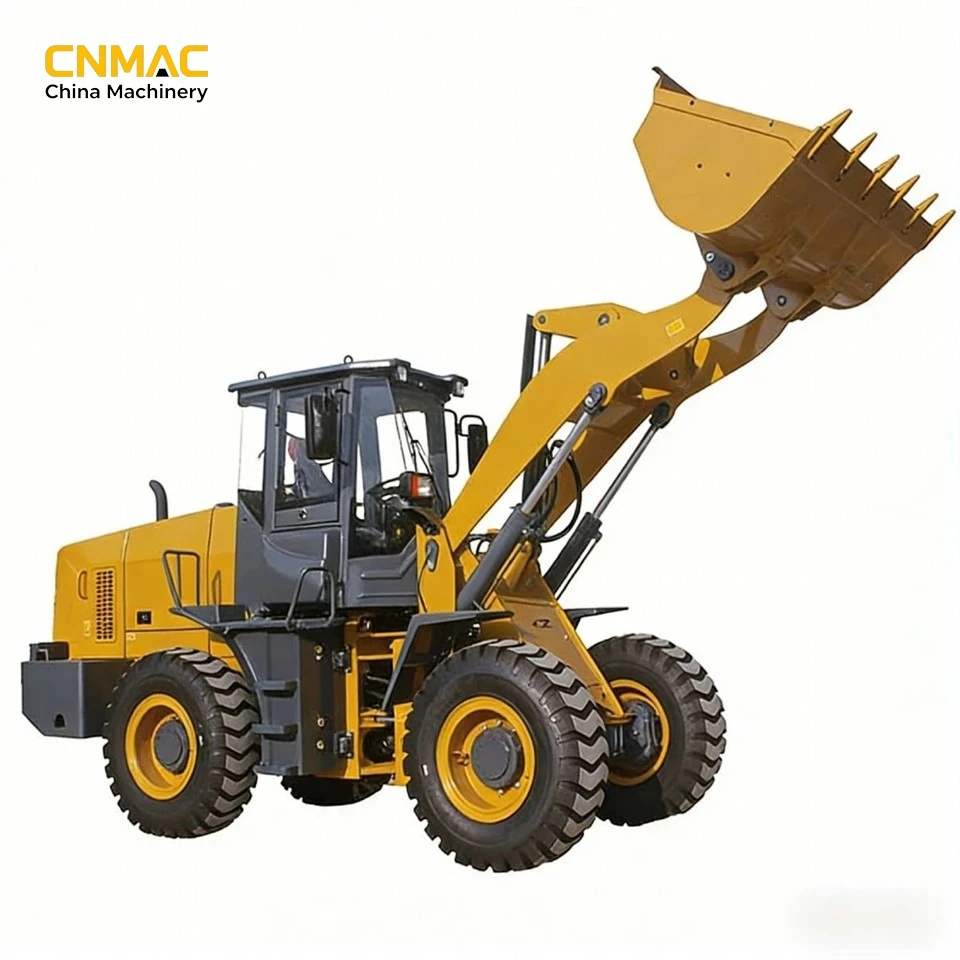
Using Ramps
Use sturdy ramps to drive the wheel loader onto the transport vehicle. The ramps should be long enough and have a gentle slope to prevent the loader from scraping or getting stuck. Ensure that the ramps are properly secured to the vehicle to avoid any movement during loading.
Securing the Loader
Once the wheel loader is on the transport vehicle, use high - quality tie - downs to secure it. Place the tie - downs at strategic points on the loader, such as the frame or axles. Make sure the tie - downs are tight enough to prevent the loader from moving but not so tight that they damage the machine.
During Transportation
Monitoring
During the journey, the driver should periodically check the security of the wheel loader. This can be done by stopping at regular intervals and inspecting the tie - downs and the overall position of the loader. Any signs of movement or loosening should be addressed immediately.
Weather Conditions
Weather can have a significant impact on the transportation of a wheel loader. In adverse weather conditions such as rain, snow, or high winds, extra precautions should be taken. For example, in snowy conditions, the roads may be slippery, requiring the driver to slow down and use additional safety measures.
Unloading the Wheel Loader
Precautions
Similar to loading, unloading the wheel loader also requires careful planning. Ensure that the unloading area is stable and level. Use the same ramps as during loading and follow the same safety procedures.
Final Inspection
Once the wheel loader is unloaded, conduct a final inspection to ensure that it has not been damaged during transportation. Check for any signs of impact, scratches, or loose parts.
Cost Considerations
Distance
The distance of transportation is a major factor in determining the cost. Longer distances generally require more fuel, and there may be additional costs associated with overnight stops or tolls.
Size and Weight
The size and weight of the wheel loader also affect the cost. Larger and heavier loaders may require more specialized transport equipment, which can increase the overall transportation cost.
Conclusion
Transporting a wheel loader is a complex but manageable process. By following the steps outlined above, you can ensure that your wheel loader, whether it's the 3T Wheel Loader | 636 or the 5T Wheel Loader | 656, is transported safely and efficiently.
If you're interested in purchasing a wheel loader or have any questions about transportation, feel free to contact us for more information and to start a procurement discussion. We're here to help you make the best decisions for your construction or industrial needs.
References
- Construction Equipment Handbook
- Transportation Regulations for Heavy Machinery


