



In the world of construction and road - building, road rollers play a crucial role. They are the heavy - duty machines responsible for compacting soil, gravel, asphalt, and other materials to create a smooth, stable surface for roads, bridges, and various infrastructure projects. One of the most common questions regarding road rollers is, "What is the weight of a typical road roller?" This question isn't as straightforward as it might seem, as the weight of a road roller can vary significantly based on several factors.

Types of Road Rollers and Their Weight Ranges
There are several types of road rollers available in the market, each designed for specific applications. The weight of these rollers is closely related to their function, the type of material they are meant to compact, and the size of the project.
Single - Drum Vibratory Road Rollers
Single - drum vibratory road rollers are often used for large - scale projects such as highway construction. These rollers typically have a single large drum at the front, which provides the compaction force. The weight of single - drum vibratory road rollers can range from as low as 8 metric tons to over 20 metric tons or more.
For instance, our 16T Mechanical Drive Road Roller | LT216B weighs in at 16 metric tons. This weight allows it to efficiently compact a wide range of materials, including granular soils and asphalt layers. The mechanical drive system ensures a reliable and powerful performance, making it suitable for medium - to large - scale road projects.
Another example is our 20T Mechanical Drive Road Roller | LT620B. With a weight of 20 metric tons, this roller provides even greater compaction force, which is ideal for heavy - duty projects such as the construction of major highways or large industrial sites.
Double - Drum Vibratory Road Rollers
Double - drum vibratory road rollers are more commonly used for smaller projects like parking lots, sidewalks, and small roads. These rollers have two drums, one at the front and one at the rear, which can provide more uniform compaction. Their weights usually range from 1 to 8 metric tons.
Our 3T Mechanical Drive Road Roller | LTC3.5F - 4 is a great example of a double - drum roller in the lower - weight range. It weighs 3 metric tons and is well - suited for tasks requiring precise compaction, such as in tight spaces or for smaller asphalt repairs.
The 4T Hydraulic Drive Road Roller | LTC204, with its 4 - metric - ton weight, offers a bit more compaction power. The hydraulic drive system provides smooth and efficient operation, making it a popular choice for contractors working on small to medium - sized road projects.
Pneumatic Tire Road Rollers
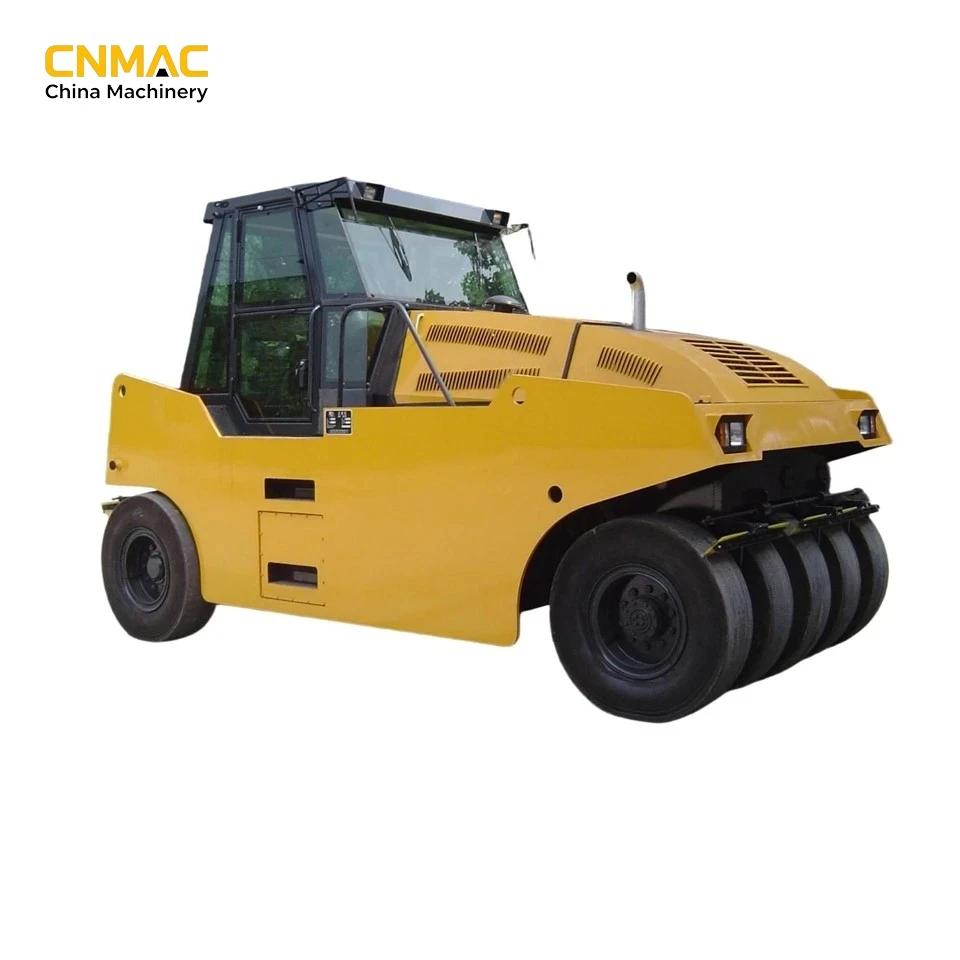
Pneumatic tire road rollers use a series of rubber tires to compact materials. They are often used for asphalt compaction, as the tires can provide a kneading action that helps to seal the surface. These rollers can have a wide range of weights, typically from 6 to over 30 metric tons.
Our 20 - 30T Hydraulic Drive Road Roller | LTP2030H falls into the pneumatic tire roller category. It has a weight range between 20 and 30 metric tons, which makes it suitable for large - scale asphalt projects where high - quality compaction and a smooth finish are required.
Factors Affecting Road Roller Weight
Project Requirements
The nature of the project is one of the most significant factors influencing the choice of road roller weight. For large - scale commercial or infrastructure projects, heavier road rollers are generally preferred. These machines can cover more ground quickly and provide the necessary compaction force to handle thick layers of materials. In contrast, small - scale residential or repair projects may only require lighter road rollers, which are more maneuverable and cost - effective for the job.
Material to be Compacted
Different materials require different levels of compaction force. For example, granular soils such as sand and gravel can be compacted relatively easily with a medium - weight road roller. On the other hand, cohesive soils like clay or heavy - density asphalt mixtures may require a heavier roller to achieve the desired compaction density.
Compaction Depth
The depth of the material to be compacted also plays a role in determining the appropriate road roller weight. Deeper layers of material typically require a heavier roller to ensure that the compaction force reaches all the way to the bottom of the layer.
Importance of Choosing the Right Weight
Selecting the right - weight road roller is essential for achieving optimal compaction results. An underweight roller may not provide enough force to compact the material adequately, resulting in a weak and unstable surface. This can lead to issues such as rutting, cracking, and premature failure of the road or pavement.
Conversely, an overweight roller can damage the material being compacted, especially in the case of thin asphalt layers. It can also cause excessive wear and tear on the roller itself, leading to increased maintenance costs and downtime.
Our Road Roller Offerings
As a leading road roller supplier, we understand the importance of providing the right equipment for every project. Our range of road rollers, including the ones mentioned above, offers a variety of weights and features to meet the diverse needs of our customers. Whether you are working on a small - scale residential project or a large - scale infrastructure development, we have the right road roller for you.
We take pride in the quality and performance of our road rollers. All of our machines are built with the latest technology and high - quality materials to ensure reliability, durability, and efficient operation. Our team of experts is always available to provide advice and support to help you choose the most suitable road roller for your specific project.
Conclusion
In conclusion, the weight of a typical road roller can vary greatly depending on the type of roller, the project requirements, the material to be compacted, and the compaction depth. By understanding these factors and choosing the right - weight road roller, you can ensure the success of your construction project and achieve a high - quality, long - lasting surface.
If you are in the market for a road roller, we invite you to explore our product range. Our 16T Mechanical Drive Road Roller | LT216B, 3T Mechanical Drive Road Roller | LTC3.5F - 4, 4T Hydraulic Drive Road Roller | LTC204, 20T Mechanical Drive Road Roller | LT620B, and 20 - 30T Hydraulic Drive Road Roller | LTP2030H are all excellent options for various construction needs. Contact us today to discuss your requirements and get started on your next project.
References
- Construction Equipment Guide: Various articles on road construction equipment
- Manufacturers' manuals for road rollers used in the content


