



Hey there, fellow heavy - equipment enthusiasts! As a wheel loader supplier, I know how crucial it is to keep your wheel loader in top - notch condition. One of the most important aspects of maintaining a wheel loader is monitoring the engine temperature. In this blog, I'll share with you everything you need to know about how to monitor the engine temperature in a wheel loader.
Why Engine Temperature Monitoring is Essential
First off, let's talk about why it's so important to monitor the engine temperature. Your wheel loader's engine works hard, whether it's moving heavy loads of gravel, sand, or other materials. When the engine runs, it generates a ton of heat. If the engine gets too hot, it can cause a whole host of problems.

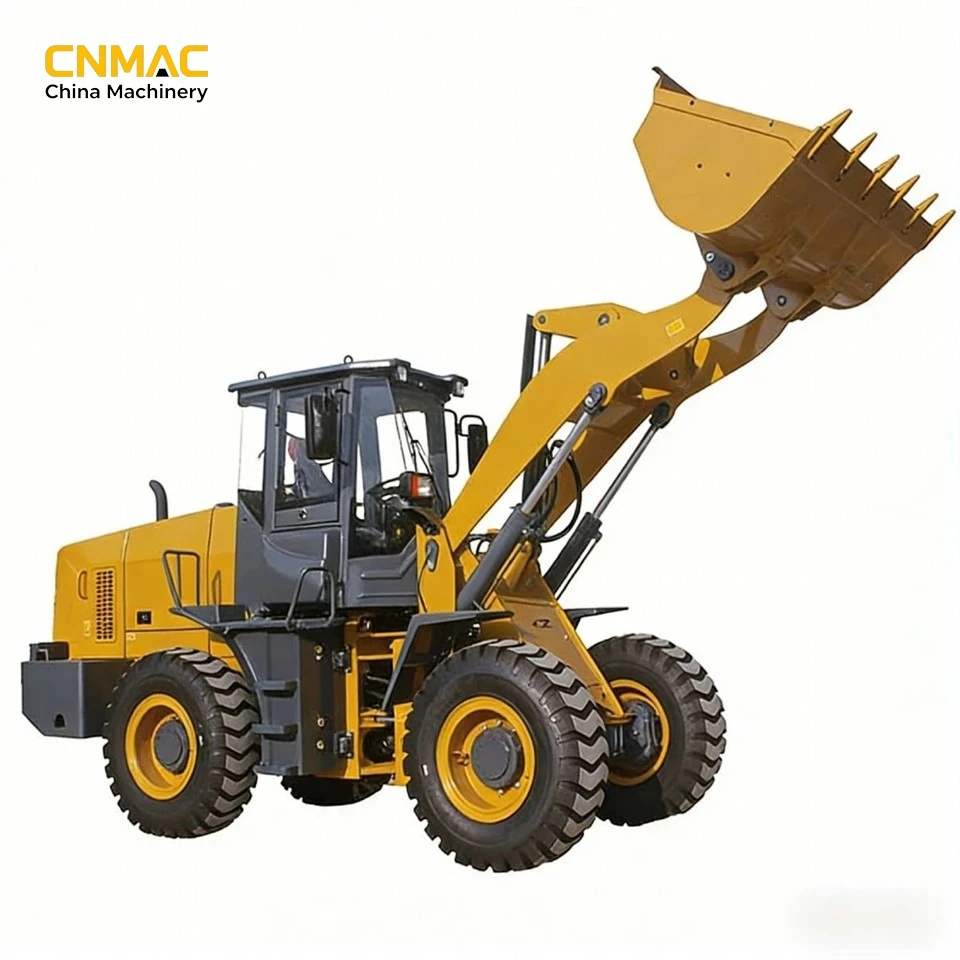
Overheating can lead to engine parts expanding beyond their normal limits. This expansion can cause parts to warp, crack, or wear out much faster. For instance, the pistons might expand so much that they can't move smoothly in the cylinders, leading to a loss of power and potentially even engine seizure. And let's be real, an engine seizure is a nightmare for any operator. It means costly repairs and downtime, which can really affect your bottom line.
Understanding the Basics of Engine Temperature in Wheel Loaders
Before we dive into how to monitor the engine temperature, let's understand a bit about how the engine cooling system in a wheel loader works. The cooling system is like the body's circulatory system. It has a radiator, a water pump, and coolant (usually a mixture of water and antifreeze).
The water pump circulates the coolant through the engine. As the coolant passes through the engine, it absorbs the heat generated by the combustion process. Then, the hot coolant flows to the radiator. The radiator has a series of fins that help dissipate the heat into the air. Once the coolant is cooled, it's pumped back into the engine to repeat the process.
The ideal engine temperature for a wheel loader usually ranges between 80 - 95 degrees Celsius (176 - 203 degrees Fahrenheit). This temperature range allows the engine to operate efficiently, with the right balance of fuel combustion and lubrication.
Tools and Instruments for Monitoring
Now, let's get to the nitty - gritty of how to actually monitor the engine temperature. Most modern wheel loaders come equipped with a built - in temperature gauge on the dashboard. This gauge is your first line of defense. It gives you a quick visual indication of the engine temperature. You should regularly glance at this gauge while operating the wheel loader. If the needle starts to creep towards the red zone, that's a big red flag that something's wrong.
Some wheel loaders also have an engine control unit (ECU) that can display detailed information about the engine temperature and other vital stats. You can access this information through the in - cab display. The ECU can provide real - time data, trends, and even alerts if the temperature goes outside the normal range.
In addition to the built - in instruments, you can also use an infrared thermometer. An infrared thermometer allows you to take non - contact temperature readings of engine components. You can use it to check the temperature of the radiator, hoses, and other parts of the cooling system. This can help you identify potential hot spots or areas where the cooling system might not be working properly.
Step - by - Step Monitoring Process
Let's break down the process of monitoring the engine temperature into simple steps:
Pre - operation Check
- Visual Inspection: Before you start the wheel loader, take a few minutes to visually inspect the cooling system. Check the coolant level in the reservoir. The coolant level should be between the minimum and maximum marks on the reservoir. If it's low, you might have a leak in the system.
- Inspect Belts and Hoses: Look at the belts and hoses that are part of the cooling system. Make sure they're not cracked, loose, or worn out. A damaged belt or hose can cause coolant circulation problems, which can lead to overheating.
During Operation
- Regular Gauge Checks: As I mentioned earlier, keep an eye on the dashboard temperature gauge. If you notice any sudden changes in temperature, such as a rapid increase, it's important to take action immediately.
- Listen for Abnormal Noises: Pay attention to any strange noises coming from the engine. Overheating can sometimes cause the engine to make knocking or rattling sounds. If you hear these noises, it could be a sign that the engine is under stress due to high temperature.
After Operation
- Cool - down Period: After you've finished using the wheel loader, let the engine cool down for a few minutes before you turn it off. This allows the coolant to continue circulating and dissipate any remaining heat.
- Follow - up Inspection: Once the engine has cooled down, do another quick inspection of the cooling system. Check for any signs of leaks or other issues that might have occurred during operation.
Troubleshooting High Engine Temperature
If you notice that the engine temperature is too high, here are some steps you can take:
- Stop the Wheel Loader: If the temperature gauge enters the red zone, immediately stop the wheel loader and turn off the engine. Continuing to operate the loader in this condition can cause serious damage.
- Check the Coolant Level: Once the engine has cooled down, check the coolant level again. If it's low, you might need to add more coolant. But make sure the engine is completely cool before opening the coolant reservoir. Otherwise, hot coolant can spray out and cause serious burns.
- Inspect the Radiator: Check the radiator for any blockages. Debris, dirt, and leaves can accumulate on the radiator fins, reducing its ability to dissipate heat. If you find any blockages, you can use compressed air or a soft brush to clean the fins.
Specific Tips for Different Wheel Loader Models
At our company, we offer a variety of wheel loaders, including the 5T Wheel Loader | 656 and the 3T Wheel Loader | 636. These models have some specific features when it comes to engine temperature monitoring.
The 5T Wheel Loader | 656 has a very advanced engine control unit. It provides detailed temperature data and can even predict potential overheating issues based on historical data and current operating conditions. You can use the in - cab display to access this information easily.
The 3T Wheel Loader | 636, on the other hand, has a simple but reliable temperature gauge. It's very straightforward to read, making it great for operators who are new to wheel loaders. The radiator on this model is also designed for optimal heat dissipation, which helps keep the engine temperature in check.
Conclusion
Monitoring the engine temperature in a wheel loader is not rocket science, but it's a vital part of keeping your equipment running smoothly. By following the steps I've outlined in this blog, using the right tools, and being vigilant during operation, you can prevent costly engine damage and downtime.
If you're in the market for a new wheel loader or need more information about engine temperature monitoring and other maintenance tips, don't hesitate to reach out to our team. We're here to help you make the best decisions for your business.
References
- "Heavy Equipment Maintenance Guide", Industrial Maintenance Magazine
- "Engine Cooling Systems in Construction Vehicles", Journal of Construction Machinery Technology


