



Operating a diesel forklift safely is crucial for both the operator's well - being and the overall efficiency of a workplace. As a diesel forklift supplier, I've seen firsthand the importance of proper safety procedures. In this blog, I'll share some key tips on how to operate a diesel forklift safely.
Pre - operation Checks
Before you even start the forklift, you need to conduct a thorough pre - operation check. This is like a health check - up for the forklift. First, take a look at the tires. Make sure they're properly inflated and don't have any signs of excessive wear or damage. Worn - out tires can lead to instability, especially when you're carrying heavy loads.
Next, check the forks. They should be straight, without any bends or cracks. If the forks are damaged, it can cause the load to shift or fall during operation, which is extremely dangerous. Also, examine the mast. The mast is what raises and lowers the load, so it needs to be in good working condition. Check for any signs of leaks in the hydraulic system, as this can affect the mast's performance.
Don't forget to check the lights and signals. Forklifts operate in various environments, and having proper lighting and signals is essential for safety. Make sure the headlights, taillights, and turn signals are all working. This helps other workers in the area know what you're doing and where you're going.
Starting the Forklift
Once you've completed the pre - operation checks, it's time to start the forklift. Before you turn the key, make sure your seatbelt is fastened. Just like in a car, a seatbelt can save your life in case of an accident. Sit in the driver's seat and adjust it so that you have a clear view of the controls and the path ahead.
When starting the engine, follow the manufacturer's instructions. Usually, you'll turn the key to the "on" position and then wait for the engine to start. Listen for any unusual noises. If you hear knocking, rattling, or other strange sounds, don't ignore them. These could be signs of engine problems, and you should have the forklift checked by a professional.
Loading and Unloading
Loading and unloading are critical operations when it comes to forklift safety. First, make sure the load is properly balanced. If the load is too heavy on one side, it can cause the forklift to tip over. When picking up a load, approach it slowly and carefully. Align the forks with the pallet or load, and then raise the forks until the load is off the ground.
Keep the load as low as possible while moving. Raising the load too high can increase the forklift's center of gravity, making it more likely to tip. When transporting a load, drive at a safe speed. Don't make sudden turns or stops, as this can cause the load to shift.
When unloading, lower the load gently onto the intended surface. Make sure the surface is stable and can support the weight of the load. If you're unloading onto a pallet rack, double - check that the rack is in good condition and can hold the load.
Maneuvering the Forklift
Maneuvering a diesel forklift requires skill and caution. When driving forward, always look in the direction you're going. Use your mirrors to check your blind spots, especially when backing up. When backing up, sound the horn to alert other workers in the area.
When turning, reduce your speed. Sharp turns at high speeds can cause the forklift to tip. Also, be aware of your surroundings. Avoid driving over uneven surfaces, as this can cause the forklift to bounce and lose control.
Safety Features and Equipment
Modern diesel forklifts come with a variety of safety features. Familiarize yourself with these features, such as the overhead guard. The overhead guard protects you from falling objects. Make sure it's in good condition and properly installed.
Some forklifts also have stability systems. These systems help prevent the forklift from tipping over by adjusting the forklift's balance. Don't disable these safety features. They're there to keep you safe.
Training and Certification
Proper training and certification are essential for operating a diesel forklift safely. As a diesel forklift supplier, I highly recommend that operators undergo comprehensive training. Training should cover everything from pre - operation checks to emergency procedures.
Certification shows that an operator has the knowledge and skills to operate a forklift safely. It's not only a legal requirement in many places but also a good way to ensure that operators are competent.
Maintenance
Regular maintenance is key to keeping a diesel forklift in good working condition. Follow the manufacturer's maintenance schedule. This includes oil changes, filter replacements, and inspections of the brakes, steering, and other components.
If you notice any problems with the forklift, don't try to fix it yourself unless you're qualified. Instead, contact a professional technician. A well - maintained forklift is less likely to break down and cause accidents.
Choosing the Right Forklift
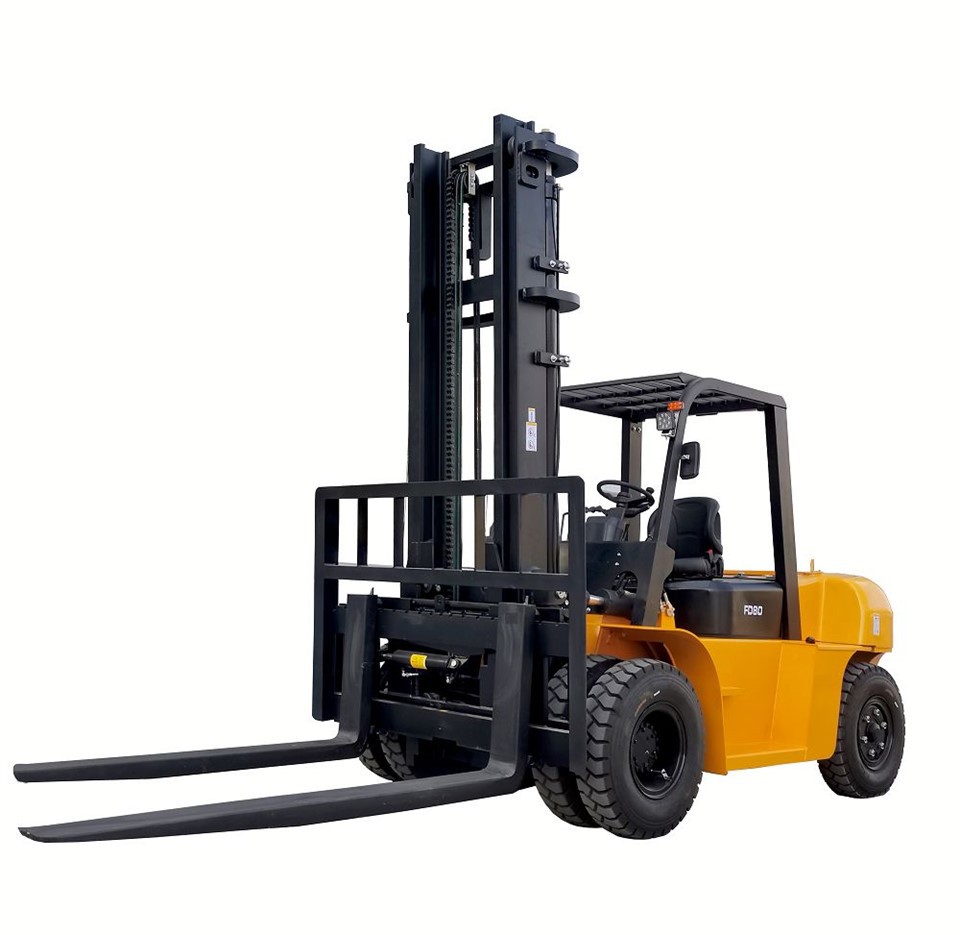
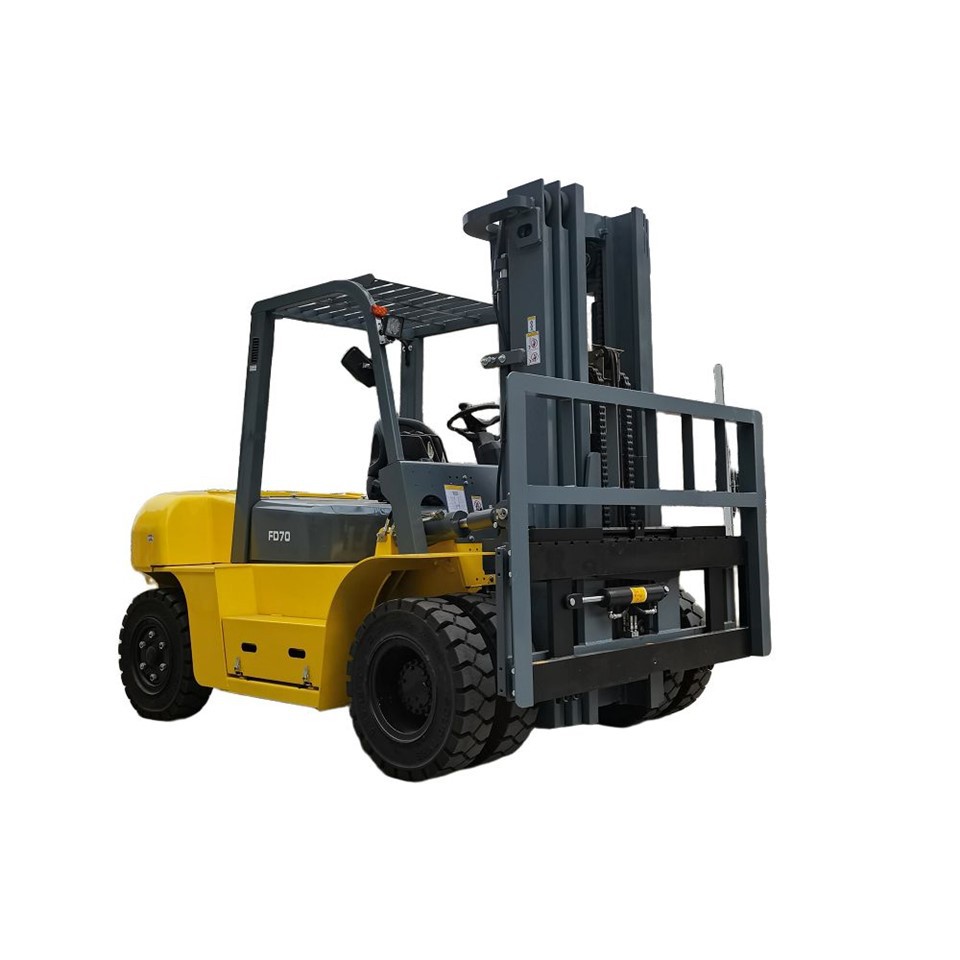
As a diesel forklift supplier, I know that choosing the right forklift for the job is important. If you need to lift heavy loads, you might consider our 7T Diesel Forklift | FD70 or 8T Diesel Forklift | FD80. These forklifts are designed to handle large and heavy loads with ease.
For lighter loads, our 2T Diesel Forklift | FD20 is a great option. It's more maneuverable and suitable for smaller spaces.
Contact for Purchase and Consultation
If you're in the market for a diesel forklift, or if you have any questions about forklift safety, don't hesitate to reach out. We're here to help you make the right choice and ensure that you operate your forklift safely.
References
- OSHA (Occupational Safety and Health Administration) guidelines on forklift operation
- Manufacturer's manuals for diesel forklifts


