



Engine misfires can be a frustrating and costly problem for vehicle owners and operators. While spark plugs are often the first suspect when an engine misfires, there are several other factors that can contribute to this issue. As an engine supplier, I've encountered various causes of engine misfires beyond spark plugs. In this blog, I'll explore these causes in detail to help you better understand and address engine misfires.
Fuel System Issues
One of the primary causes of engine misfires is problems within the fuel system. A clogged fuel injector can prevent the proper amount of fuel from reaching the combustion chamber, leading to incomplete combustion and misfires. Over time, fuel injectors can become dirty due to the accumulation of deposits from low - quality fuel or contaminants in the fuel tank.
Another fuel - related issue is a failing fuel pump. The fuel pump is responsible for delivering fuel from the tank to the engine at the correct pressure. If the fuel pump is not functioning properly, it may not be able to supply enough fuel to the engine, resulting in misfires. A weak fuel pump can be caused by wear and tear, electrical problems, or a clogged fuel filter.
A dirty or clogged fuel filter can also restrict the flow of fuel to the engine. When the fuel filter is blocked, the engine may not receive an adequate supply of fuel, causing misfires. Regularly replacing the fuel filter is essential to prevent this problem.
Ignition System Problems (Beyond Spark Plugs)
While spark plugs are a crucial part of the ignition system, other components can also cause misfires. The ignition coil is responsible for converting the low - voltage power from the battery into the high - voltage power needed to create a spark at the spark plug. A faulty ignition coil can produce a weak or inconsistent spark, leading to misfires.
The spark plug wires are another component that can contribute to misfires. Over time, the insulation on the spark plug wires can deteriorate, causing electrical leaks. This can result in a weak or no spark at the spark plug, leading to incomplete combustion.
Air Intake and Exhaust System Issues
The air intake system plays a vital role in providing the engine with the correct amount of air for combustion. A clogged air filter can restrict the flow of air into the engine, causing a rich fuel - air mixture. This can lead to misfires and reduced engine performance.

On the other hand, a leak in the air intake system can allow unfiltered air to enter the engine, disrupting the proper fuel - air ratio. This can also cause misfires and other engine problems.
The exhaust system is also important for proper engine operation. A clogged catalytic converter can restrict the flow of exhaust gases, causing backpressure in the engine. This backpressure can affect the engine's performance and lead to misfires.
Engine Mechanical Problems
Engine mechanical issues can also cause misfires. A worn or damaged valve can prevent the proper intake of air and fuel or the expulsion of exhaust gases. This can lead to incomplete combustion and misfires.
Piston rings that are worn or damaged can allow combustion gases to leak into the crankcase, reducing the engine's compression. Low compression can cause misfires and other engine problems.
Sensors and Electronic Control Unit (ECU) Issues
Modern engines rely on a variety of sensors to monitor and control engine performance. A faulty sensor can provide incorrect information to the ECU, which can then adjust the fuel - air mixture or ignition timing incorrectly. For example, a malfunctioning oxygen sensor can cause the engine to run too rich or too lean, leading to misfires.
The ECU itself can also be a source of problems. If the ECU has a software glitch or a hardware failure, it may not be able to control the engine properly, resulting in misfires.
How Our Engines Can Help
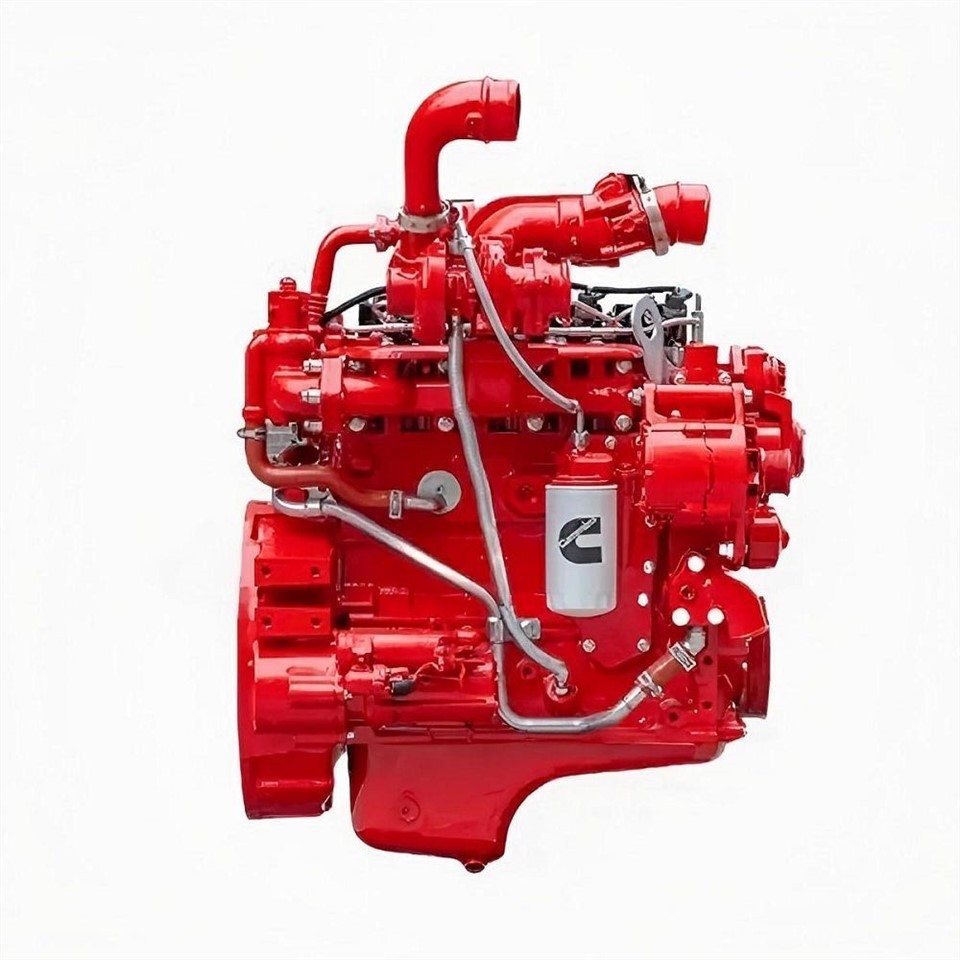
At our company, we offer a range of high - quality engines, such as the Cummins Engine L8.9 (164KW 220HP), Cummins Engine B7 (126KW 169HP), and Cummins Engine B3.9 (59KW 80HP). These engines are designed with advanced technology and high - quality components to minimize the risk of misfires and other engine problems.
Our engines are built with reliable fuel systems, ignition systems, and air intake and exhaust systems. We also use advanced sensors and ECUs to ensure optimal engine performance. By choosing our engines, you can reduce the likelihood of experiencing engine misfires and enjoy a more reliable and efficient engine operation.
Contact Us for Procurement
If you're interested in purchasing engines for your vehicles or equipment, we'd be happy to discuss your needs. Our team of experts can provide you with detailed information about our engines, including their specifications, performance, and pricing. We can also offer technical support and after - sales service to ensure that you get the most out of your engine.
Don't let engine misfires disrupt your operations. Contact us today to start the procurement process and find the perfect engine for your needs.
References
- Smith, J. (2020). "Automotive Engine Systems: A Comprehensive Guide". Publisher X.
- Johnson, R. (2019). "Understanding Engine Performance and Troubleshooting". Publisher Y.


