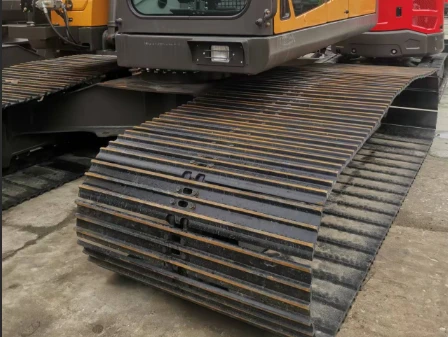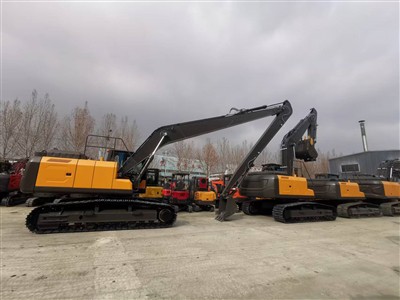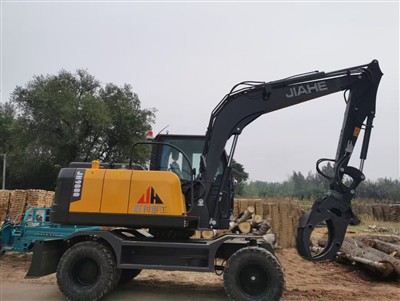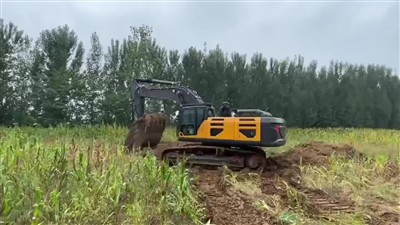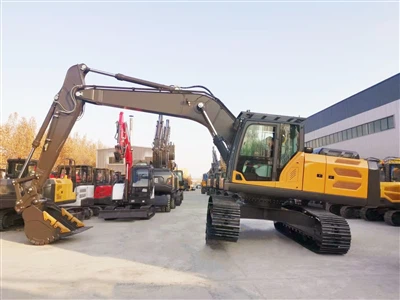
Remote diagnostics is a smart monitoring system that allows the excavator's condition, performance, and fault information to be checked remotely through the internet, GPS, sensors, and onboard control systems.
It helps owners, dealers, and factories monitor machines without being physically at the job site.
Main Functions of Excavator Remote Diagnostics
1. Real-Time Machine Monitoring
Operators or dealers can remotely check:
Engine RPM
Fuel consumption
Hydraulic pressure
Coolant temperature
Working hours
Battery voltage
Idle time
Travel status
2. Fault Code Detection
When a problem happens, the system can display:
Engine fault codes
Hydraulic system alarms
Sensor failures
Electrical problems
This helps technicians identify issues faster before sending service teams.
3. GPS Tracking
Useful for:
Fleet management
Anti-theft protection
Machine location tracking
Jobsite management
Very popular in rental and dealer fleets.
4. Preventive Maintenance Alerts
The system can remind users:
Oil change intervals
Filter replacement time
Maintenance schedules
Abnormal machine behavior
This reduces downtime and repair costs.
5. Fuel Efficiency Analysis
Remote systems can analyze:
Fuel burn rate
Idle time percentage
Operator efficiency
Working productivity
Large contractors care a lot about this.
How It Works
Typical Components
ECU (Electronic Control Unit)
Sensors
GPS module
Telematics box
SIM card / 4G module
Cloud platform or mobile app
The machine sends data to an online platform that users can access from:
Mobile app
Computer dashboard
Dealer service platform
Smart excavators are changing the construction industry.
Remote diagnostics helps reduce downtime, improve maintenance efficiency, and protect machine productivity.Smart excavators are changing the construction industry.Remote diagnostics helps reduce downtime, improve maintenance efficiency, and protect machine productivity.