



As a motor supplier, I've had the privilege of working with various types of motors, each with its own unique features and applications. One common question I often encounter is about the differences between a shaded - pole motor and other types of motors. In this blog, I'll delve into those distinctions and provide you with a comprehensive understanding.
Shaded - Pole Motors: A Basic Overview
Shaded - pole motors are one of the simplest and most economical types of single - phase AC motors. They owe their name to the "shading coils" or "shading rings" installed on a portion of the poles in the stator. These shading coils are usually made of a short - circuited copper loop. When an alternating current passes through the stator winding, the magnetic field produced by the shading coils lags behind the main magnetic field. This creates a rotating magnetic field that is sufficient to start and run the motor.
One of the key advantages of shaded - pole motors is their simplicity. They have fewer parts compared to other motor types, which means lower manufacturing costs and fewer potential points of failure. They are also relatively quiet in operation. However, they have some limitations. Their starting torque is extremely low, typically only about 30 - 50% of the running torque. This low starting torque restricts their use to applications where the load can be easily started, such as small fans, blowers, and some low - power household appliances.
Comparison with Split - Phase Motors
Split - phase motors, another type of single - phase AC motor, use a different method to create a rotating magnetic field. They have two windings in the stator: the main winding and the auxiliary (starting) winding. The auxiliary winding has a higher resistance and lower inductance compared to the main winding. This difference in electrical characteristics causes a phase shift between the currents in the two windings, creating a rotating magnetic field to start the motor.
Compared to shaded - pole motors, split - phase motors have a much higher starting torque, usually around 150 - 200% of the running torque. This makes them suitable for applications where a higher starting force is required, such as small pumps, compressors, and some power tools. However, split - phase motors are more complex and expensive to manufacture due to the additional starting winding and a centrifugal switch (which disconnects the starting winding once the motor reaches a certain speed).
Comparison with Capacitor - Start Motors
Capacitor - start motors are similar to split - phase motors in that they also have a main winding and a starting winding. The key difference is the use of a capacitor in the starting circuit. The capacitor creates a greater phase difference between the currents in the main and starting windings, resulting in a much stronger rotating magnetic field at startup.
Capacitor - start motors can produce a starting torque that is even higher than that of split - phase motors, often up to 300 - 400% of the running torque. This makes them ideal for heavy - duty applications where a large amount of torque is needed to start, such as larger compressors, conveyor systems, and some agricultural equipment. Nevertheless, the addition of the capacitor and related circuitry increases the cost and complexity of the motor compared to shaded - pole motors.
Comparison with Permanent Split - Capacitor (PSC) Motors
Permanent split - capacitor motors are also single - phase AC motors that use a capacitor. Unlike capacitor - start motors, the capacitor in a PSC motor remains in the circuit during both starting and running. This results in a smooth and efficient operation, with a relatively good power factor.
PSC motors have a slightly higher starting torque than shaded - pole motors and are more efficient in continuous operation. They are commonly used in applications where constant speed and efficiency are important, such as refrigeration fans, air - handling units, and some small industrial machinery. In contrast to shaded - pole motors, PSC motors require more complex circuitry and a higher - quality capacitor, which makes them more expensive.
Comparison with Three - Phase Motors
Three - phase motors are a different breed altogether. They operate on a three - phase AC power supply, which consists of three alternating currents that are out of phase with each other by 120 degrees. This phase difference creates a more uniform and powerful rotating magnetic field in the stator.
Three - phase motors have several advantages over shaded - pole motors. They have a very high starting torque, excellent efficiency, and high power density. They are commonly used in industrial applications such as large pumps, machine tools, and conveyor belts. However, three - phase power is not always available in residential or small - scale settings, which limits their use in some cases. And the installation and maintenance of three - phase motors are generally more complex and costly compared to shaded - pole motors.
Comparison with Hydraulic Motors
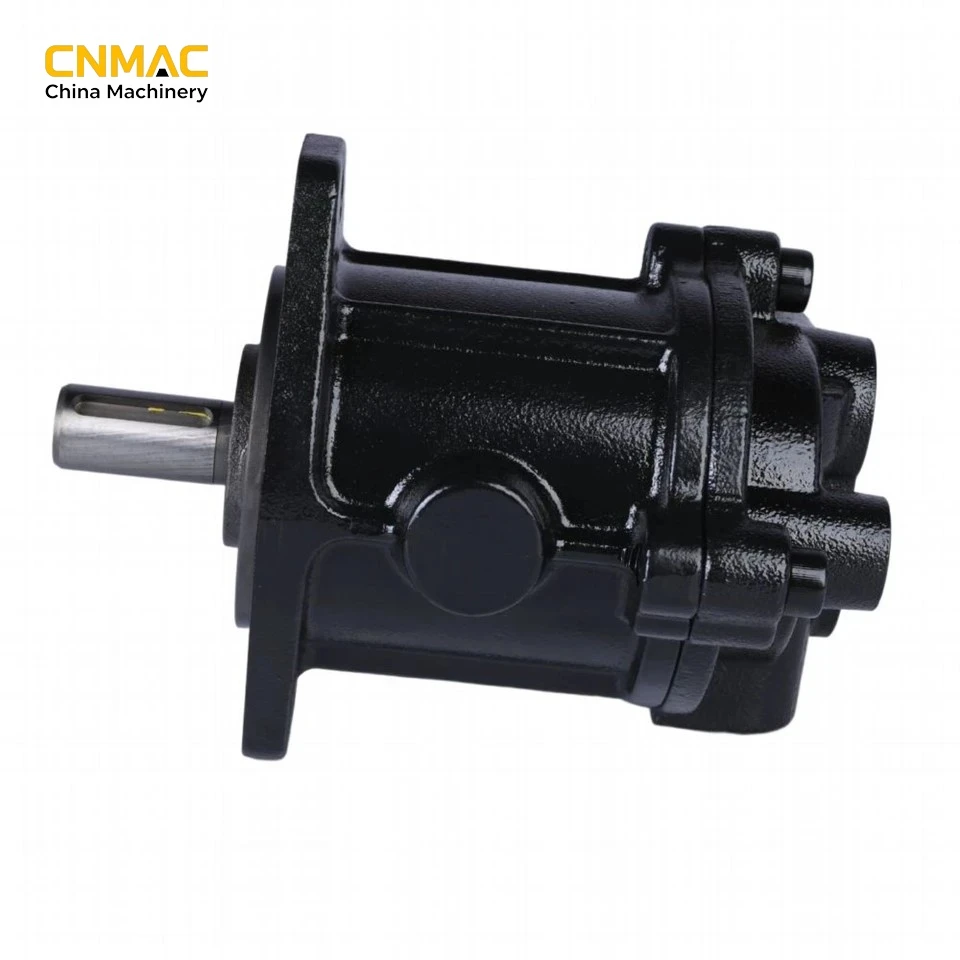
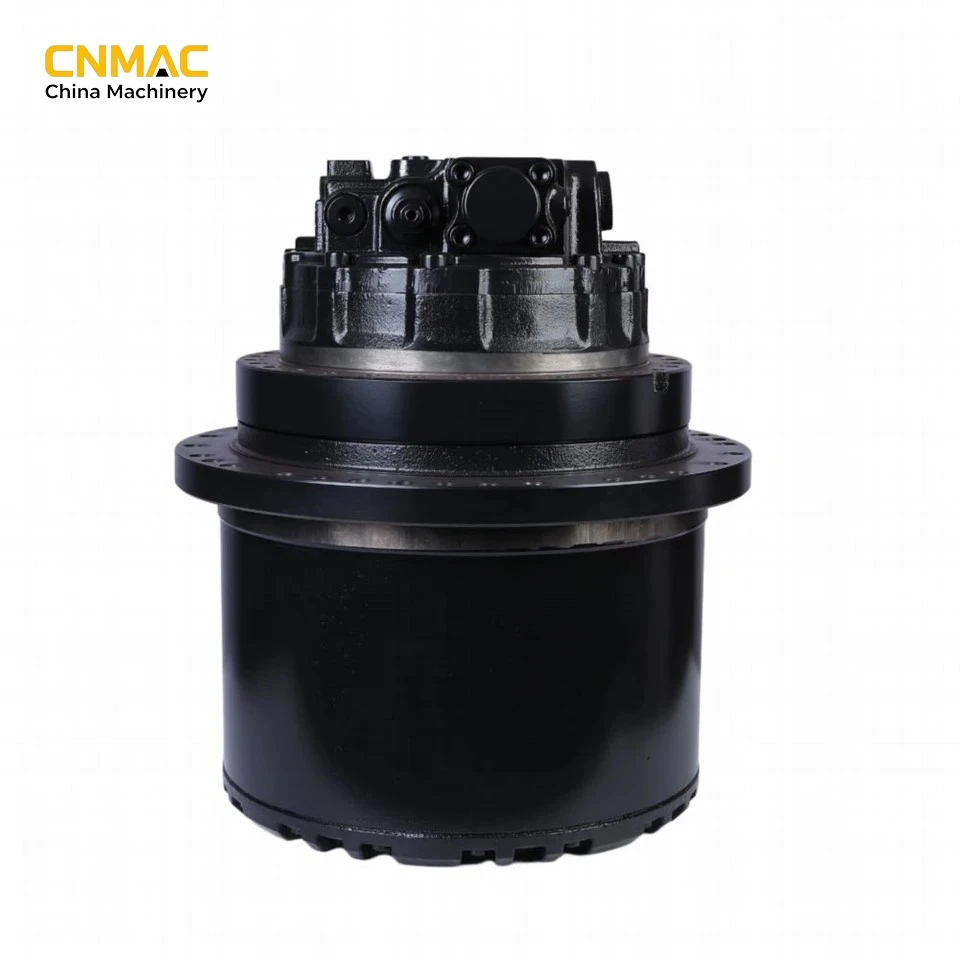
Hydraulic motors, in contrast to electric motors like shaded - pole motors, use pressurized fluid to generate mechanical power. There are different types of hydraulic motors, each with its own characteristics. For example, swivel motor, excavator swing motor, excavator hydraulic motor, hydraulic drive motor, and Swing hydraulic motor.
Hydraulic motors can deliver extremely high torque at low speeds, which makes them suitable for heavy - duty applications such as construction equipment, mining machinery, and large - scale industrial presses. They can also operate in harsh environments where electric motors may be prone to damage from moisture, dust, or extreme temperatures. However, hydraulic systems require a hydraulic pump, valves, and a reservoir of hydraulic fluid, which adds to the complexity and cost of the system. In addition, hydraulic leaks can be a significant problem and may require regular maintenance.
Conclusion
In summary, the differences between shaded - pole motors and other types of motors are mainly in terms of starting torque, efficiency, complexity, cost, and application scenarios. Shaded - pole motors are simple, inexpensive, and suitable for low - torque applications. Other types of motors, such as split - phase, capacitor - start, PSC, three - phase, and hydraulic motors, offer higher performance but come with increased complexity and cost.
As a motor supplier, I understand the importance of choosing the right motor for your specific application. Whether you need a simple shaded - pole motor for a small household appliance or a high - torque hydraulic motor for heavy - duty industrial use, I can help you make an informed decision. If you're interested in our motor products or have questions about which motor is best for your needs, please feel free to contact me for a detailed consultation and procurement discussion.
References
- Chapman, S. J. (2012). Electric Machinery Fundamentals. McGraw - Hill.
- Fitzgerald, A. E., Kingsley, C., Jr., & Umans, S. D. (2003). Electric Machinery. McGraw - Hill.


