



Hey there! As a supplier of combined road rollers, I often get asked about the acceleration performance of these machines. In this blog, I'll break down what acceleration means for a combined road roller, why it matters, and what affects it.
Let's start with the basics. Acceleration, in simple terms, is how quickly a road roller can increase its speed. When you're out on a construction site, you want your road roller to move from a stand - still to its working speed efficiently. It's not just about getting the job done faster, but also about maintaining a good workflow on the site.
You see, a combined road roller has a unique job. It typically combines the functions of both a static and a vibrating roller. It's used for compacting all sorts of materials like asphalt, gravel, and soil. And depending on the type of job, you might need it to speed up or slow down at different times.
For instance, when you're starting to roll a new section of road, you'll want the roller to accelerate smoothly to its optimal working speed. This is where good acceleration performance becomes crucial. A roller that accelerates too slowly can cause delays. Workers have to wait around for it to get up to speed, and the whole construction process starts to drag.
Now, you might be thinking about the different types of combined road rollers out there. We've got Mini Road Roller. These little guys are great for smaller projects, like driveways or small parking lots. Their acceleration performance is tailored to their size and the nature of the jobs they handle. They usually need to be pretty nimble, quickly moving between different areas of the site. And because they're smaller, they don't have to accelerate to super - high speeds, but they do need to be able to go from 0 to their working speed in a reasonable amount of time.
On the other hand, we've got Diesel Road Roller. These are heavier and more powerful machines. They're used for larger construction projects, like highways or big industrial sites. The acceleration performance of a diesel road roller has to be balanced. It needs to have enough power to get moving, even with its heavier weight, but it also can't accelerate too quickly. If it does, it might cause uneven compaction as it moves over the surface.
So, what factors actually affect the acceleration performance of a combined road roller?
First off, the engine is a major player. A more powerful engine generally means better acceleration. But it's not just about the raw power. The engine also needs to be well - tuned to work with the roller's other components. For example, if the engine is too powerful and the transmission can't handle it, the acceleration might be jerky or inconsistent.
The weight of the road roller is another important factor. Heavier rollers are obviously harder to get moving. A combined road roller with a lot of extra features, like advanced vibration systems or large water tanks, is going to weigh more. This added weight means that the engine has to work harder to accelerate the roller. However, modern engineering has come a long way, and many manufacturers have found ways to optimize the weight and power ratio to improve acceleration.
The design of the drive system also matters. Most modern combined road rollers use hydraulic drive systems. These are great because they can provide smooth and controlled acceleration. Hydraulic systems can adjust the power output based on the load and the speed requirements, which helps in getting the roller up to speed efficiently. A poorly designed drive system, though, can lead to slow acceleration and inefficient operation.
Another aspect is the tires or drums of the road roller. The traction they provide is crucial for acceleration. If the tires or drums don't have good grip on the surface, the roller will spin its wheels or drums without actually moving forward. This is especially important when rolling on slippery or uneven surfaces. Manufacturers often use special tread designs and materials to improve traction and, by extension, acceleration performance.
Let's talk about the benefits of having a combined road roller with good acceleration.
One big advantage is productivity. A roller that can accelerate quickly gets to work faster. You can cover more ground in less time, which means you can finish projects ahead of schedule. This is a huge plus for construction companies, as it allows them to take on more jobs and increase their profits.
Good acceleration also leads to better operator comfort. When a roller accelerates smoothly, there's less jolting and shaking. This reduces fatigue for the operator, who can focus on the job at hand instead of struggling with a rough - accelerating machine. A comfortable operator is often a more efficient one, as they can work longer hours without getting overly tired.
In addition, a road roller with good acceleration can adapt better to different site conditions. For example, if there's a sudden change in the terrain or the type of material being compacted, the roller can quickly adjust its speed. This flexibility is essential for getting a high - quality compaction result.
Now, as a combined road roller supplier, I know the importance of providing machines with top - notch acceleration performance. We're always working with our engineering teams to improve the design and technology of our rollers. We test our machines rigorously to ensure that they meet the high standards our customers expect.
If you're in the market for a combined road roller and you're concerned about acceleration performance, don't hesitate to reach out. We can provide you with detailed information about the acceleration capabilities of our different models. Whether you're working on a small - scale project and need a Mini Road Roller or a large - scale job that requires a Diesel Road Roller, we've got you covered.
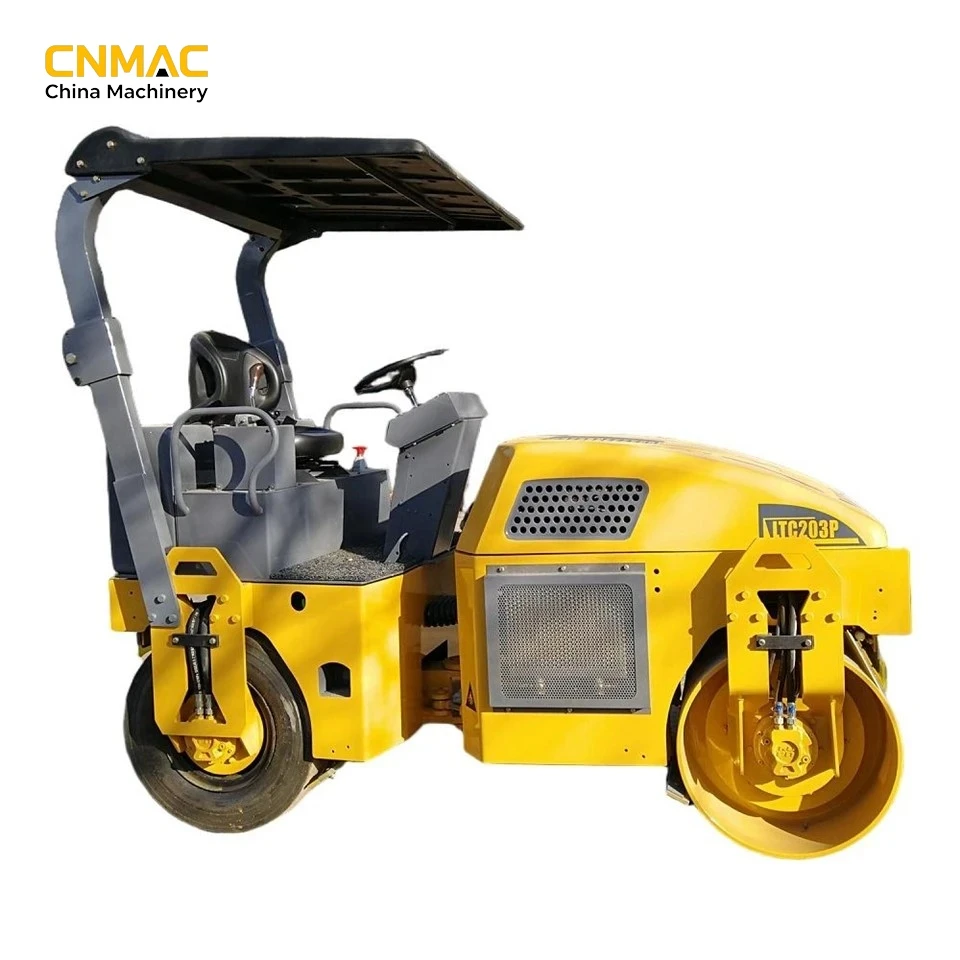

We can also help you understand how the acceleration of our road rollers will fit into your specific project requirements. Our team of experts is here to answer all your questions and guide you through the purchasing process. So, if you want to discuss more about our combined road rollers and how they can boost your construction efficiency, let's have a chat. Feel free to get in touch and start the conversation about finding the perfect road roller for your next job.
References
- "Construction Equipment Handbook": A comprehensive guide on various construction machines, including road rollers, which provides in - depth information on their performance factors such as acceleration.
- "Engineering Principles of Road Building Machinery": This book explores the technical aspects of road construction equipment and how different components contribute to the overall performance of machines like combined road rollers.


