



Drill bits are essential components of a drilling machine, and their sharpness directly affects the efficiency and quality of drilling operations. As a drilling machine supplier, I understand the importance of well - maintained and sharp drill bits for our customers. In this blog, I will share some effective ways to sharpen drill bits for a drilling machine.
Understanding Drill Bit Wear
Before we delve into the sharpening process, it's crucial to understand how drill bits wear out. Drill bits are subject to high levels of friction, heat, and pressure during drilling. Over time, the cutting edges of the drill bit become dull, and the flutes can get clogged with debris. Dull drill bits not only slow down the drilling process but also increase the likelihood of breakage, damage to the workpiece, and excessive wear on the drilling machine itself.
Common signs of a dull drill bit include:
- Reduced cutting efficiency: The drill bit takes longer to penetrate the material, and more force is required to keep it drilling.
- Poor hole quality: The holes may have rough edges, be out of round, or have burrs.
- Excessive heat generation: A dull drill bit generates more heat due to increased friction, which can lead to premature failure of the bit and damage to the workpiece.
Tools Required for Sharpening Drill Bits
To sharpen drill bits effectively, you will need the following tools:
- Bench grinder: A bench grinder is the most common tool for sharpening drill bits. It has a grinding wheel that can be used to remove material from the drill bit's cutting edges. Make sure to choose a grinder with a suitable grit size for the type of drill bit you are sharpening.
- Drill bit sharpener: There are also specialized drill bit sharpeners available on the market. These sharpeners are designed to hold the drill bit at the correct angle and ensure a consistent sharpening result. They are especially useful for those who are not experienced in using a bench grinder.
- Safety equipment: Safety should always be a top priority when sharpening drill bits. Wear safety goggles to protect your eyes from flying debris, and use gloves to prevent burns from the hot drill bit and grinder.
Sharpening Drill Bits with a Bench Grinder
Sharpening drill bits with a bench grinder requires some skill and practice. Here are the steps to follow:
- Prepare the grinder: Make sure the bench grinder is properly installed and the grinding wheel is in good condition. Check the speed of the grinder to ensure it is suitable for the type of drill bit you are sharpening.
- Inspect the drill bit: Examine the drill bit for any signs of damage, such as cracks or chips. If the drill bit is severely damaged, it may need to be replaced rather than sharpened.
- Set the correct angle: The angle of the drill bit's cutting edge is crucial for its performance. For most general - purpose drill bits, the point angle should be around 118 degrees. You can use a drill bit gauge or a protractor to set the correct angle.
- Start sharpening: Hold the drill bit firmly against the grinding wheel at the correct angle. Apply light pressure and move the drill bit back and forth across the wheel to ensure even sharpening. Be careful not to overheat the drill bit, as this can damage the temper of the steel. You can dip the drill bit in water periodically to cool it down.
- Sharpen the cutting edges: Focus on sharpening the two main cutting edges of the drill bit. Make sure they are symmetrical and have a sharp point. You may need to make several passes on the grinding wheel to achieve the desired sharpness.
- Check the sharpness: After sharpening, check the drill bit's sharpness by running your finger gently along the cutting edges. If the edges feel smooth and sharp, the drill bit is ready to use.
Using a Drill Bit Sharpener
If you are not confident in using a bench grinder, a drill bit sharpener is a great alternative. Here's how to use it:
- Select the appropriate size: Most drill bit sharpeners are adjustable to accommodate different sizes of drill bits. Select the correct size setting for your drill bit.
- Insert the drill bit: Place the drill bit into the sharpener according to the manufacturer's instructions. Make sure it is properly seated and aligned.
- Sharpen the bit: Turn on the sharpener and let it do the work. The sharpener will automatically hold the drill bit at the correct angle and grind the cutting edges to the appropriate sharpness.
- Remove the drill bit: Once the sharpening process is complete, carefully remove the drill bit from the sharpener. Check the sharpness and make any necessary adjustments.
Maintaining Sharp Drill Bits
Sharpening drill bits is not a one - time task. To ensure optimal performance and longevity of your drill bits, it's important to maintain them properly. Here are some tips:
- Clean the drill bits regularly: After each use, clean the drill bits to remove any debris or chips. You can use a brush or compressed air to clean the flutes.
- Lubricate the drill bits: When drilling through certain materials, such as metal, using a lubricant can reduce friction and heat, which helps to keep the drill bits sharp for longer.
- Store the drill bits properly: Store the drill bits in a clean, dry place to prevent rust and corrosion. You can use a drill bit case or a magnetic strip to keep them organized.
Our Drilling Machine Offerings
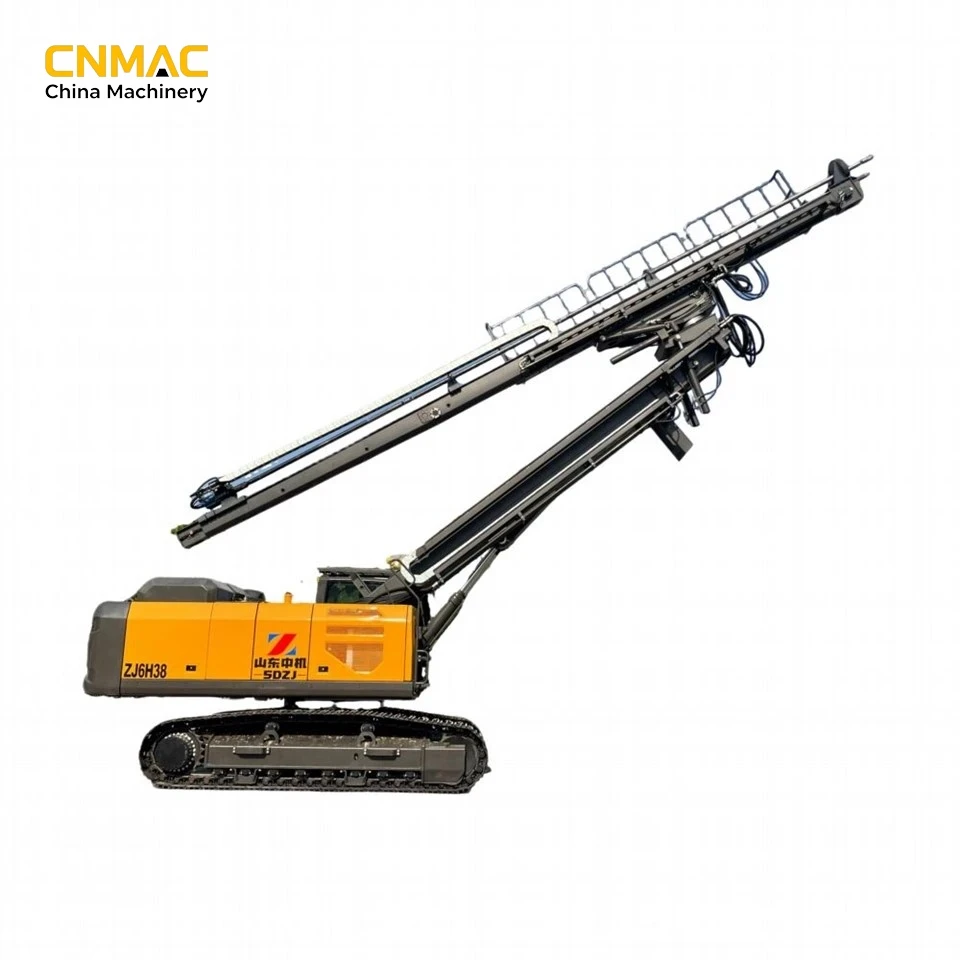
As a drilling machine supplier, we offer a wide range of high - quality drilling machines to meet the diverse needs of our customers. For example, our Top Hammer Drilling Rig is designed for efficient and precise drilling in various rock formations. It features advanced technology and reliable performance, making it a popular choice for mining, construction, and other industries.
Another great product in our lineup is the Long Reach Anchor Drilling Rig - Soil Nailing for Slope Stabilization. This drilling rig is specifically designed for slope stabilization projects, providing long - reach capabilities and high - accuracy drilling.

Contact for Purchase and Consultation
If you are in the market for a drilling machine or need more information about sharpening drill bits, we are here to help. Our team of experts can provide you with professional advice and guidance on choosing the right drilling machine and maintaining your drill bits. Whether you are a small - scale contractor or a large - scale industrial operation, we have the solutions to meet your needs.
References
- ASM Handbook Committee. (2000). ASM Handbook Volume 7: Powder Metal Technologies and Applications. ASM International.
- Kalpakjian, S., & Schmid, S. R. (2013). Manufacturing Engineering and Technology. Pearson.
- Trent, E. M., & Wright, P. K. (2000). Metal Cutting. Butterworth - Heinemann.


