



Yo, folks! I'm a supplier of drilling machines, and today I'm stoked to share some tips on how to use a drilling machine for precision drilling. Whether you're a pro builder or a DIY enthusiast, getting that precise hole can make all the difference in your project.
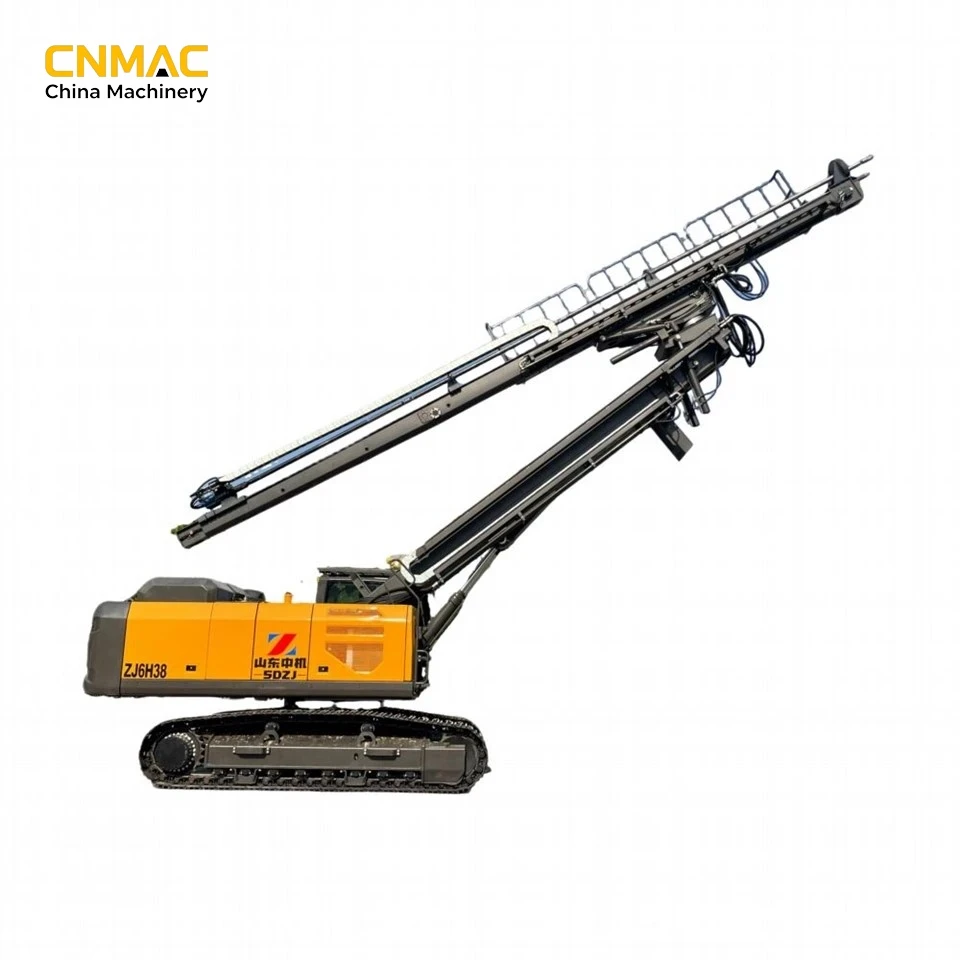
First off, let's talk about the types of drilling machines we've got. We've got some really cool rigs, like the Long Reach Anchor Drilling Rig - Soil Nailing for Slope Stabilization. This bad boy is great for slope stabilization work. It can reach far and get the job done with high precision when you're dealing with soil nailing. And then there's the Top Hammer Drilling Rig, which is super useful for a bunch of drilling tasks. It's got that top - hammer action that gives you good power and control.

Now, before you start drilling, safety first! You gotta wear the right gear. That means safety glasses to protect your eyes from flying debris. Ear protection is also a must, 'cause drilling machines can be pretty loud. And don't forget work gloves. They'll keep your hands safe from sharp edges and give you a better grip on the drill.
Let's start with choosing the right drill bit. Different materials need different bits. For wood, a standard twist drill bit usually works just fine. They're easy to find and can handle most wood - drilling jobs. But if you're drilling into metal, you'll want a high - speed steel (HSS) bit. These bits are tougher and can withstand the heat and friction when cutting through metal. And for concrete or masonry, a carbide - tipped bit is your best bet. It's strong enough to break through the hard material.
Once you've got the right bit, it's time to set up the drilling machine. Make sure the drill bit is properly secured in the chuck. A loose bit can cause all sorts of problems, like uneven holes or even the bit flying out. You can use a chuck key to tighten it up. Just insert the key into the holes on the chuck and turn it clockwise until the bit is held firmly.
Now, positioning is key for precision drilling. If you're drilling on a piece of material, mark the spot where you want the hole. You can use a center punch to make a small indentation at the center point. This gives the drill bit a starting point and helps prevent it from wandering off. If you're drilling multiple holes, use a template. It's a simple way to make sure all your holes are evenly spaced and in the right place. You can make a template out of cardboard or plywood, depending on your needs.
When you start drilling, don't rush it. Apply gentle pressure at first. Let the drill bit start making its way into the material. If you push too hard right away, you can damage the bit or the material. As the bit starts to cut, you can gradually increase the pressure. But always keep an eye on the drill bit. If it starts to smoke or make strange noises, stop immediately. This could mean the bit is overheating or there's something wrong with the drilling process.
For precise depth control, there are a couple of options. Some drilling machines come with a depth stop. You can set it to the exact depth you need, and when the drill reaches that point, it will stop automatically. If your drill doesn't have a depth stop, you can use a piece of tape. Just wrap it around the drill bit at the desired depth. When the tape reaches the surface of the material, you know you've drilled deep enough.
Another thing to consider is the speed setting. Different materials require different drilling speeds. For softer materials like wood, a higher speed is usually okay. But for harder materials like metal or concrete, a lower speed is better. This gives the drill bit more time to cut through the material without overheating. Most modern drilling machines have variable speed controls. You can adjust the speed according to the material you're working with and the size of the drill bit.
If you're drilling a large hole, it's a good idea to start with a smaller pilot hole first. This helps guide the larger bit and makes it easier to drill the final hole with precision. Just drill the pilot hole to the center of where the larger hole will be, and then switch to the larger bit.
After you've finished drilling, don't forget to clean up. Remove the drill bit from the chuck and put it back in its case. Wipe down the drilling machine to get rid of any dust or debris. If you're using a drill press, make sure to clean the table and the chuck area.
Now, if you're thinking about getting a new drilling machine or need some more bits and accessories, we're here to help. We've got a wide range of high - quality drilling machines and all the parts you might need. Whether you're working on a small home project or a big construction job, we've got the right equipment for you.
If you've got any questions or want to talk about your specific needs, just reach out. We're always happy to have a chat and help you find the perfect drilling solution. So, don't hesitate to get in touch and start your next precision drilling project with the best equipment.
References
- General knowledge from years of experience in the drilling machine industry.
- Industry - standard safety guidelines and best practices for drilling.


