

In the bustling world of industrial operations, diesel forklifts stand as workhorses, playing a pivotal role in material handling. As a diesel forklift supplier, I understand the significance of efficiency in these machines. An efficient diesel forklift not only enhances productivity but also reduces operational costs and environmental impact. In this blog, I'll share some practical strategies to improve the efficiency of diesel forklifts.
Regular Maintenance
One of the most fundamental steps in improving the efficiency of a diesel forklift is regular maintenance. Just like any other vehicle, a forklift requires consistent care to operate at its best. Regular oil changes are crucial as clean oil lubricates the engine's moving parts, reducing friction and wear. This not only extends the engine's lifespan but also ensures smooth operation, which in turn improves fuel efficiency.
Filter replacements are another essential aspect of maintenance. Air filters prevent dust and debris from entering the engine, while fuel filters ensure that only clean fuel reaches the combustion chamber. Clogged filters can restrict airflow and fuel flow, leading to decreased power and increased fuel consumption. By replacing filters at the recommended intervals, you can maintain optimal engine performance.
In addition to oil and filter changes, regular inspections of the forklift's components are necessary. Check the brakes, tires, hydraulic system, and electrical system for any signs of wear or damage. A well-maintained forklift is less likely to experience breakdowns, which can cause costly downtime. For instance, worn brake pads can reduce the forklift's stopping power, while damaged tires can lead to instability and increased fuel consumption.
Operator Training
The efficiency of a diesel forklift is also greatly influenced by the operator. Proper training is essential to ensure that operators can use the forklift safely and efficiently. A well-trained operator knows how to handle the forklift's controls, maneuver in tight spaces, and load and unload materials effectively.
Operator training should cover a wide range of topics, including forklift safety, proper operating procedures, and maintenance awareness. Safety training is particularly important as it helps prevent accidents and injuries in the workplace. Operators should be taught how to perform pre - shift inspections, use safety features such as seat belts and horns, and follow traffic rules in the warehouse or yard.
In terms of operating procedures, operators should be trained to use the forklift's power and speed settings appropriately. For example, using the forklift at a lower speed when carrying heavy loads can reduce fuel consumption and prevent damage to the forklift and the load. Operators should also be taught how to position the forks correctly to ensure stable lifting and transportation of materials.
Maintenance awareness training is also beneficial. When operators understand the basic maintenance requirements of the forklift, they can identify potential problems early and report them to the maintenance team. This proactive approach can prevent minor issues from turning into major breakdowns.
Optimize Load Management
Efficient load management is another key factor in improving the efficiency of a diesel forklift. Properly distributing the load on the forks is crucial to ensure stability and prevent damage to the forklift. The load should be centered on the forks and evenly distributed to avoid overloading one side of the forklift.
When lifting and transporting loads, operators should choose the most efficient route. This means avoiding unnecessary detours and using the shortest path possible. By reducing the distance traveled, the forklift can save fuel and complete tasks more quickly.
In addition, operators should be aware of the forklift's load capacity. Overloading the forklift can not only cause damage to the machine but also increase the risk of accidents. Before lifting a load, operators should check the load's weight and ensure that it is within the forklift's rated capacity.
Upgrade to Energy - Efficient Models
As a diesel forklift supplier, I recommend considering upgrading to energy - efficient models. Newer diesel forklifts are designed with advanced technologies that can significantly improve fuel efficiency. For example, some models are equipped with electronic fuel injection systems, which can precisely control the amount of fuel injected into the engine, resulting in better combustion and reduced fuel consumption.
Another feature of energy - efficient forklifts is the use of regenerative braking systems. These systems capture the energy generated during braking and convert it into electrical energy, which can be used to power the forklift's auxiliary systems. This not only reduces the load on the engine but also saves energy.
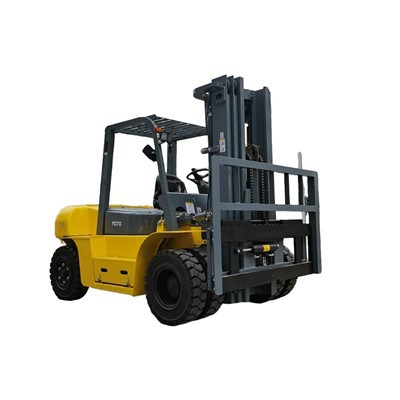
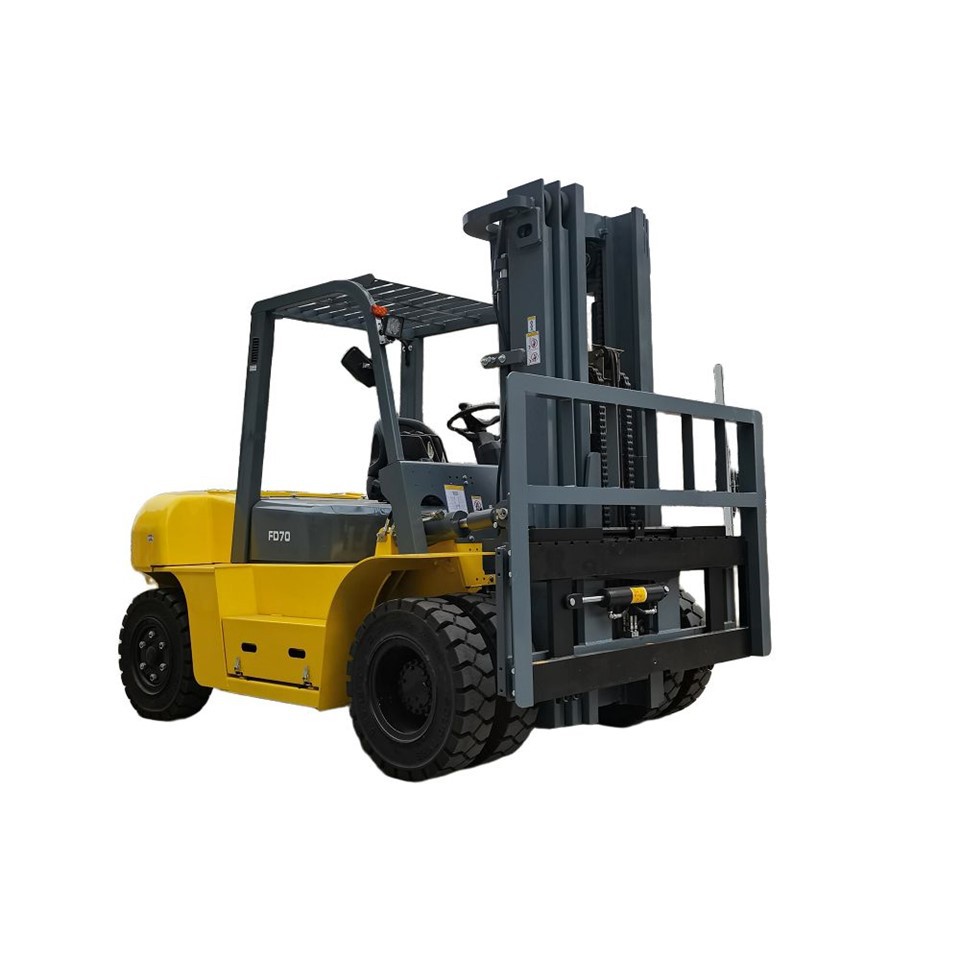
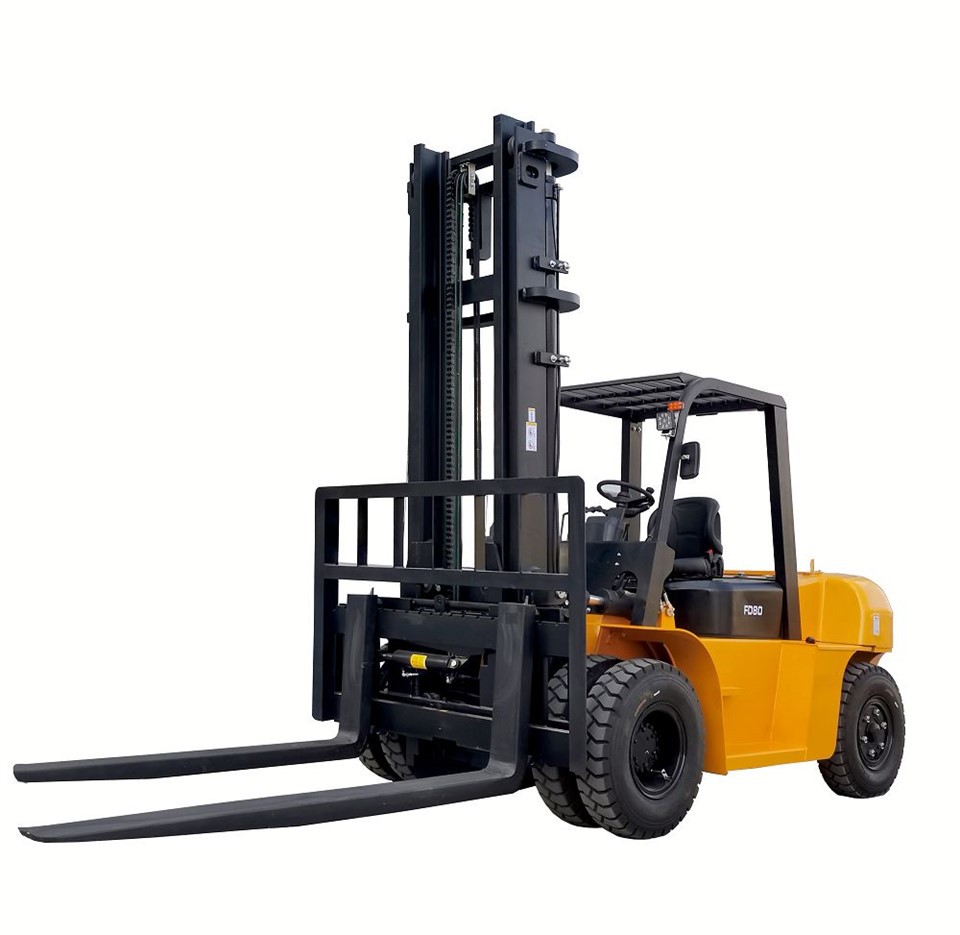
If you are in the market for a new diesel forklift, you may be interested in our 7T Diesel Forklift | FD70, 10T Diesel Forklift | FD100, and 8T Diesel Forklift | FD80. These models are designed with the latest technologies to provide high performance and energy efficiency.
Use the Right Fuel
The type of fuel used in a diesel forklift can also affect its efficiency. High - quality diesel fuel with the appropriate cetane rating can improve combustion and reduce emissions. A higher cetane rating means that the fuel ignites more easily, resulting in more complete combustion and better power output.
It is also important to store the fuel properly. Diesel fuel should be stored in a clean, dry, and well - ventilated area to prevent contamination. Contaminated fuel can cause engine problems and reduce efficiency.
Environmental Considerations
In today's world, environmental considerations are becoming increasingly important. Improving the efficiency of a diesel forklift not only benefits the bottom line but also reduces the environmental impact. By reducing fuel consumption, you can lower greenhouse gas emissions and contribute to a more sustainable future.
Some diesel forklifts are now designed to meet strict environmental standards. These models use advanced emission control technologies, such as diesel particulate filters and selective catalytic reduction systems, to reduce harmful emissions. When choosing a diesel forklift, consider the environmental impact of the machine and opt for models that are more environmentally friendly.
Conclusion
Improving the efficiency of a diesel forklift requires a comprehensive approach that includes regular maintenance, operator training, optimized load management, upgrading to energy - efficient models, using the right fuel, and considering environmental factors. As a diesel forklift supplier, I am committed to providing high - quality products and services to help our customers improve the efficiency of their operations.
If you are interested in learning more about our diesel forklifts or need assistance in improving the efficiency of your existing forklifts, we encourage you to contact us for a consultation. Our team of experts is ready to help you find the best solutions for your material handling needs.
References
- "Forklift Operator Training Manual" by OSHA
- "Diesel Engine Technology" by various industry publications
- Manufacturer's manuals for diesel forklifts