

Hey there! I'm from a gensets supplier, and today I'm gonna talk about how to adjust the frequency of a genset. It's an important thing to know, especially if you're using a genset for your business or home.
First off, let's understand what frequency is. In a genset, frequency is basically the number of times the alternating current (AC) changes direction per second. It's measured in Hertz (Hz). In most countries, the standard frequency for electrical power is either 50 Hz or 60 Hz. If the frequency of your genset is off, it can cause all sorts of problems with your electrical equipment.

Why Adjust the Frequency?
There are a few reasons why you might need to adjust the frequency of your genset. Maybe you're using equipment that's designed for a specific frequency, and the genset's current frequency isn't compatible. Or perhaps the load on the genset has changed, and you need to adjust the frequency to keep things running smoothly.
How to Adjust the Frequency
Now, let's get into the nitty - gritty of how to adjust the frequency.
1. Mechanical Governor
Many gensets use a mechanical governor to control the engine speed, which in turn affects the frequency. The governor works by sensing the engine speed and adjusting the fuel supply accordingly. If the engine speed is too low, the governor will increase the fuel supply to speed up the engine, and if it's too high, it'll reduce the fuel supply.
To adjust the frequency using a mechanical governor, you'll usually need to locate the governor adjustment screw. This screw is often located on the governor housing. You can turn the screw clockwise to increase the engine speed (and thus the frequency) or counter - clockwise to decrease it. But be careful! Making small adjustments at a time is crucial. A big change can cause the engine to run erratically.
2. Electronic Governor
Some modern gensets come with an electronic governor. These are more precise and easier to adjust compared to mechanical governors. With an electronic governor, you can often use a control panel to adjust the frequency.
On the control panel, there are usually buttons or a touch - screen interface. You can use these to set the desired frequency. The electronic governor will then automatically adjust the engine speed to maintain that frequency.
3. Synchronization
If you're running multiple gensets in parallel, synchronization is key. When gensets are synchronized, they operate at the same frequency and phase. This allows them to share the load evenly.
To synchronize gensets, you'll need a synchronization device. This device monitors the frequency, voltage, and phase of each genset and adjusts them to match. It's a bit more complex than adjusting a single genset, but it's essential for efficient operation.
Our Gensets
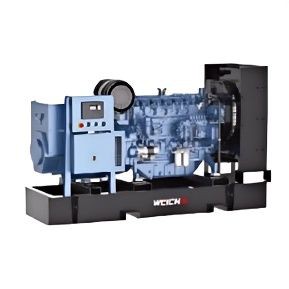
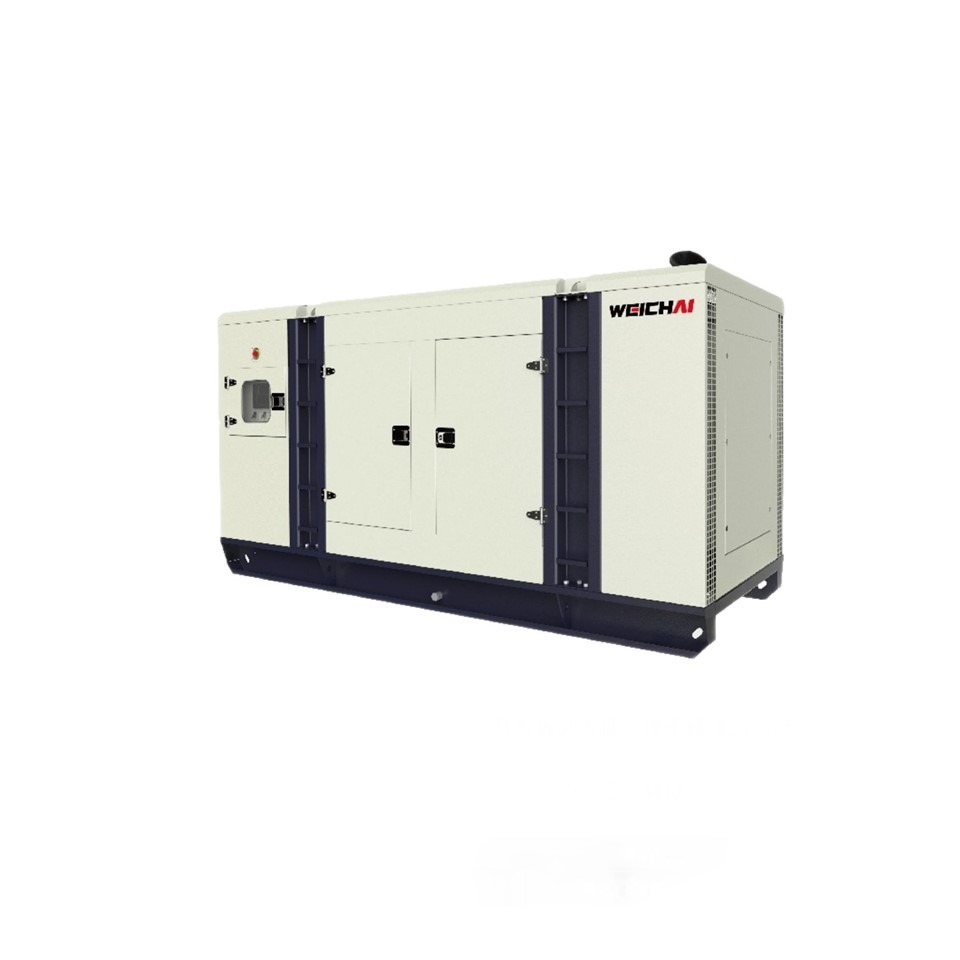
We offer a wide range of gensets that are reliable and easy to operate. For example, we have the WEICHAI Open Type Diesel Generator 137.5 - 250KVA. This genset is great for medium - sized businesses and can provide stable power with adjustable frequency.
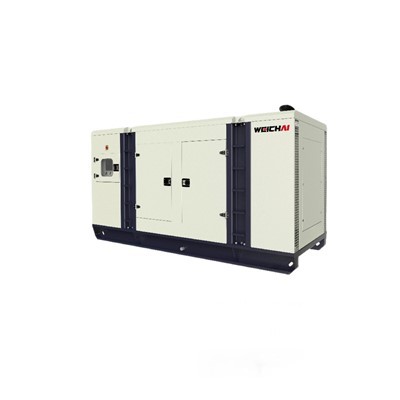
Another option is the WEICHAI Silent Engine Diesel Generator 13.5 - 825KVA. It's designed to be quiet, making it suitable for residential areas or places where noise is a concern. And if you need a high - power genset, check out the WEICHAI Open Type Diesel Generator 880 - 4125KVA.
Tips for Frequency Adjustment
- Regular Maintenance: Keep your genset well - maintained. A dirty air filter, worn spark plugs, or low oil level can all affect the engine speed and frequency.
- Load Management: Be aware of the load on your genset. Overloading can cause the frequency to drop. Try to balance the load and avoid sudden changes in the load.
- Monitor the Frequency: Use a frequency meter to keep an eye on the frequency. This will help you catch any issues early and make adjustments as needed.
Conclusion
Adjusting the frequency of a genset is an important skill for anyone using a genset. Whether you're using a mechanical or electronic governor, or running multiple gensets in parallel, understanding how to adjust the frequency can ensure that your genset operates efficiently and your electrical equipment runs smoothly.
If you're interested in our gensets or have any questions about frequency adjustment, feel free to reach out to us. We're here to help you find the right genset for your needs and provide you with all the support you need.
References
- "Generator Handbook" by John Twidell and Tony Weir
- "Electrical Power Generation, Transmission, and Distribution" by Ali A. Chowdhury and Mohammad H. Rashid