



Regular servicing is crucial for ensuring the optimal performance, longevity, and safety of wheel loaders. As a wheel loader supplier, I understand the significance of proper maintenance schedules and am often asked about how frequently a wheel loader should be serviced. In this blog, I'll delve into the factors that influence servicing intervals and provide general guidelines to help you keep your wheel loader in top - notch condition.
Factors Affecting Servicing Intervals
Operating Conditions
The operating environment in which a wheel loader operates plays a major role in determining its servicing frequency. If the wheel loader is used in harsh conditions such as construction sites with excessive dust, gravel pits, or mines, it will require more frequent servicing. Dust and debris can quickly accumulate in the engine, air filters, and hydraulic systems, leading to premature wear and tear. For example, in a dusty quarry, particles can enter the engine's intake system, causing abrasion to internal components like pistons and cylinders.
On the other hand, wheel loaders used in relatively clean environments like warehouses or smooth - surfaced construction sites may have longer service intervals. The cleaner air helps the engine and other components operate more smoothly with less risk of contamination.
Usage Intensity
The amount of time a wheel loader is in operation also affects its servicing needs. A wheel loader that is used for extended hours every day, say 8 - 10 hours or more, will put more stress on its components compared to one that is used for only a few hours a week. Continuous operation generates more heat, causes more friction, and leads to faster wear of parts such as the transmission, brakes, and tires.
For example, a wheel loader used in a busy port for loading and unloading cargo throughout the day will experience higher levels of mechanical stress than a loader used occasionally for light - duty tasks on a small farm.
Manufacturer's Recommendations
Wheel loader manufacturers provide detailed service schedules in the user manuals for their products. These recommendations are based on extensive testing and research to ensure the smooth operation of the machine under normal operating conditions. They take into account factors such as the design of the engine, hydraulic systems, and other critical components.
It's essential to follow the manufacturer's guidelines as closely as possible. Deviating from these recommendations can void the warranty and may lead to unexpected breakdowns and costly repairs. For instance, if the manufacturer recommends changing the engine oil every 250 operating hours and you skip this service, it can lead to engine sludge buildup and reduced engine performance.
General Servicing Intervals
Daily Checks
- Fluid Levels: Check the engine oil, hydraulic fluid, coolant, and fuel levels daily. Low fluid levels can cause components to overheat or malfunction. For example, insufficient engine oil can lead to metal - to - metal contact in the engine, resulting in severe damage.
- Lubrication: Inspect grease points and lubricate them as needed. Good lubrication reduces friction between moving parts, extending their lifespan. Components such as the pivot joints of the bucket and the steering mechanism require regular greasing.
- Tire Condition: Examine the tires for any signs of damage, such as cuts, bulges, or uneven wear. Incorrect tire pressure can also affect the loader's stability and fuel efficiency.
Weekly Checks
- Air Filter: If the operating environment is dusty, check and clean the air filter weekly. A clogged air filter restricts airflow to the engine, reducing its power output and increasing fuel consumption.
- Battery: Inspect the battery for loose connections, corrosion, and charge level. A weak battery can cause starting problems and may also affect the electrical systems of the wheel loader.
Monthly Checks
- Hydraulic System: Check the hydraulic hoses for leaks, cracks, or signs of wear. The hydraulic system is responsible for operating the bucket and other attachments, so any issues can significantly impact the loader's performance.
- Brake System: Inspect the brake pads, discs, and hydraulic lines for wear and proper functioning. Malfunctioning brakes pose a serious safety risk on the job site.
Quarterly Checks
- Transmission: Check the transmission fluid level and condition. If the fluid is dirty or has a burnt smell, it may need to be changed. A well - maintained transmission ensures smooth gear shifting and efficient power transfer.
- Cooling System: Inspect the radiator, hoses, and water pump for leaks and blockages. Overheating can cause engine damage, so it's important to keep the cooling system in good working order.
Annual Checks
- Engine Overhaul: In many cases, an engine overhaul may be required every 2000 - 3000 operating hours, depending on usage. This involves disassembling, cleaning, and inspecting all internal engine components and replacing worn - out parts.
- Overall Alignment and Calibration: Have the wheel loader's alignment and calibration checked annually. Proper alignment ensures even tire wear and optimal handling.
Our Wheel Loader Models and Their Servicing Considerations
We offer a range of high - quality wheel loaders, including the 5T Wheel Loader | 656 and the 3T Wheel Loader | 636. These models are designed with advanced technology and high - quality components, but they still require regular servicing to maintain their performance.
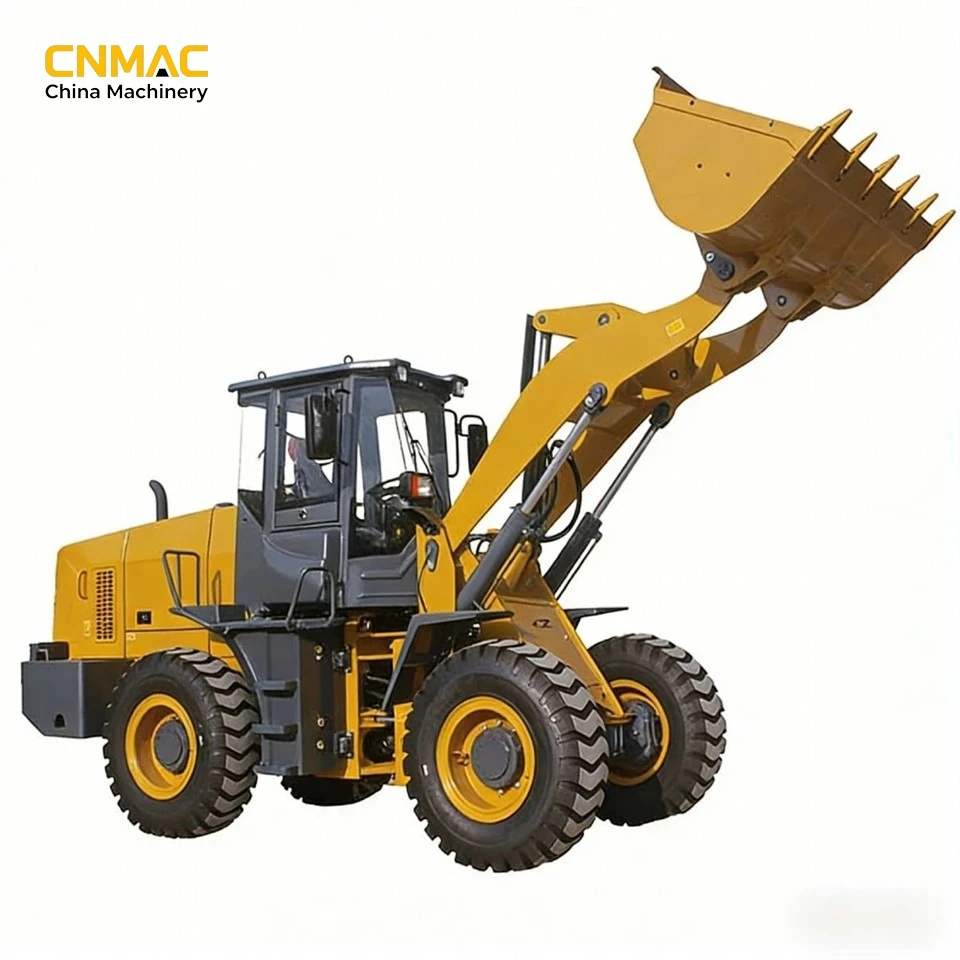

The5T Wheel Loader | 656 is a heavy - duty machine commonly used in large - scale construction projects and mining operations. Due to its high - load capacity and more intensive use, it may require more frequent servicing, especially for the engine, hydraulic systems, and drivetrain.
The 3T Wheel Loader | 636 is more suitable for medium - sized projects such as road construction and small - scale material handling. While it may have slightly longer service intervals compared to the 5T model under normal operating conditions, it still needs to be serviced according to the general guidelines mentioned above.
Conclusion
In conclusion, there is no one - size - fits - all answer to how often a wheel loader should be serviced. It depends on a variety of factors, including operating conditions, usage intensity, and the manufacturer's recommendations. By following a regular servicing schedule based on these factors, you can significantly reduce the risk of breakdowns, extend the lifespan of your wheel loader, and ensure its safe and efficient operation.
If you're considering purchasing a wheel loader or need more information on servicing and maintenance, we're here to help. Our team of experts can provide you with detailed advice based on your specific needs and operating conditions. Contact us to discuss your requirements and let's find the perfect wheel loader solution for your project.
References
- General guidelines for wheel loader maintenance from industry - recognized publications.
- User manuals provided by popular wheel loader manufacturers.


