

As a supplier of all - terrain cranes, I am often asked about how various components of these remarkable machines work. One of the most critical parts of an all - terrain crane is the winch system. In this blog, I'll delve into the inner workings of the all - terrain crane's winch system, explaining its functions, components, and the principles behind its operation.
The Importance of the Winch System in All - Terrain Cranes
All - terrain cranes are designed to operate in a wide range of environments, from construction sites to industrial areas. The winch system plays a pivotal role in lifting and moving heavy loads. Whether it's hoisting building materials to the top of a skyscraper or positioning an industrial component precisely, the winch system is the heart of the lifting operation.
Components of the Winch System
The winch system of an all - terrain crane consists of several key components:
Drum
The drum is a large cylindrical device around which the wire rope is wound. It is the central part of the winch system. When the winch is activated, the drum rotates, either winding in the wire rope to lift the load or unwinding it to lower the load. The size and capacity of the drum are carefully designed to handle the specific lifting requirements of the crane. For example, in our 260T All - Terrain Crane | SAC2600C8 - 8, the drum is engineered to manage the high - tension forces associated with lifting heavy loads up to 260 tons.
Wire Rope
The wire rope is the medium through which the load is connected to the winch. It is made up of multiple strands of steel wire twisted together to provide high strength and flexibility. The wire rope must be able to withstand the weight of the load and the forces exerted during lifting and lowering operations. Regular inspection and maintenance of the wire rope are crucial to ensure its safety and reliability.
Gearbox
The gearbox is responsible for transmitting power from the engine to the drum. It allows for different speed and torque settings, depending on the lifting requirements. By changing the gear ratio, the operator can control the speed at which the drum rotates, enabling precise and efficient lifting operations. In larger all - terrain cranes like our 500T All - Terrain Crane | SAC5000C8 - 8, the gearbox is designed to handle the higher power and torque needed to lift extremely heavy loads.


Brake System
The brake system is an essential safety feature of the winch system. It is used to hold the load in place when the winch is not in operation or to slow down the movement of the load during lowering. There are different types of brakes, such as disc brakes and drum brakes. The brake system must be able to withstand the high forces generated by the load and ensure reliable stopping and holding capabilities.
Motor
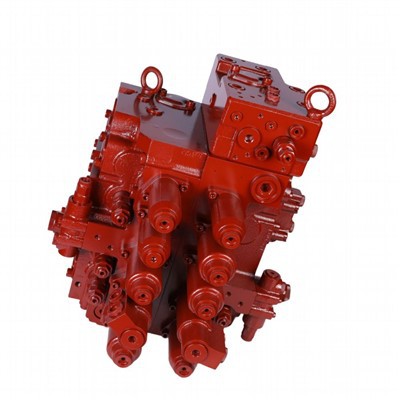
The motor provides the power to drive the winch system. In most all - terrain cranes, hydraulic motors are used due to their high power - to - weight ratio and precise control capabilities. The motor is connected to the gearbox, which then transfers the power to the drum. The hydraulic system also allows for smooth and efficient operation, as it can easily adjust the speed and torque of the motor based on the load and operating conditions.
How the Winch System Works
The operation of the winch system can be divided into two main phases: lifting and lowering.
Lifting
When the operator decides to lift a load, they first ensure that the wire rope is properly attached to the load. Then, they activate the winch system by sending a signal to the hydraulic motor. The motor starts to rotate, and the power is transmitted through the gearbox to the drum.
As the drum rotates, it winds in the wire rope. The load is gradually lifted off the ground. The speed of the lifting operation can be controlled by adjusting the gear ratio in the gearbox. If a slower and more precise lift is required, a lower gear ratio is selected, which provides more torque but lower speed. Conversely, for a faster lift of a lighter load, a higher gear ratio can be used.
During the lifting process, the brake system is released to allow the drum to rotate freely. However, the brake is always ready to engage in case of an emergency or if the operator needs to stop the lifting operation.
Lowering
Lowering a load is a more delicate operation than lifting. The operator must carefully control the speed of the lowering to prevent the load from falling too quickly.
When the operator initiates the lowering process, the hydraulic motor is reversed, and the drum starts to unwind the wire rope. The brake system is used to control the speed of the lowering. The operator can adjust the pressure on the brake to slow down or speed up the descent of the load.
The winch system also has a load - sensing feature. This feature monitors the weight of the load and adjusts the operation of the winch accordingly. For example, if the load is heavier than expected, the system may reduce the speed of the lowering to ensure safe operation.
Safety and Maintenance of the Winch System
Safety is of utmost importance when it comes to the winch system of an all - terrain crane. Regular maintenance and inspection are essential to ensure the proper functioning of the winch system.
Inspection
The wire rope should be inspected regularly for signs of wear, such as broken wires or corrosion. The drum should also be checked for any damage or deformation. The gearbox and motor should be inspected for proper lubrication and any signs of mechanical failure. The brake system should be tested to ensure its reliability.
Maintenance
Proper maintenance of the winch system includes lubricating the moving parts, tightening loose bolts, and replacing worn - out components. The hydraulic system should be maintained by checking the fluid levels and replacing the filters regularly.
Conclusion
The winch system of an all - terrain crane is a complex and sophisticated piece of equipment. It is essential for the safe and efficient operation of the crane. Understanding how the winch system works is crucial for operators, maintenance personnel, and anyone involved in the crane industry.
If you are in the market for an all - terrain crane and are interested in learning more about our products or discussing your specific requirements, we invite you to contact us for a procurement consultation. Our team of experts is ready to assist you in finding the right all - terrain crane for your needs.
References
- Crane Manufacturer's Handbook: A comprehensive guide to all - terrain crane design and operation.
- Hydraulic System Principles: A book on the principles of hydraulic systems used in cranes.
- Safety Standards for All - Terrain Cranes: Industry - recognized safety guidelines for crane operation.