

In the realm of heavy machinery, loaders play a pivotal role in various industries, from construction and agriculture to mining and waste management. Among the different types of loaders available in the market, hydrostatic loaders stand out due to their unique design and operational characteristics. As a hydrostatic loader supplier, I am well - versed in the nuances that set hydrostatic loaders apart from other types of loaders. In this blog, I will delve into the key differences, highlighting the advantages and applications of hydrostatic loaders.
Working Principle
The fundamental difference between hydrostatic loaders and other types of loaders lies in their working principles. Traditional loaders, such as mechanical loaders, typically use a mechanical transmission system. This system consists of gears, clutches, and shafts to transfer power from the engine to the wheels or tracks. The operator has to manually shift gears to adjust the speed and torque of the loader according to the task at hand.
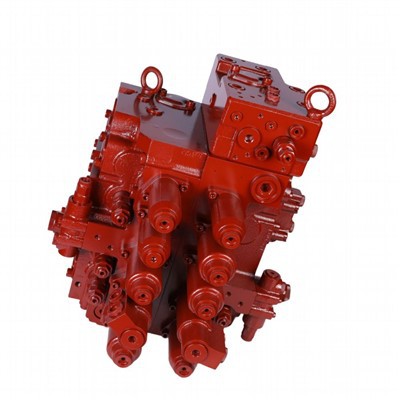
On the other hand, hydrostatic loaders utilize a hydrostatic transmission system. This system employs hydraulic pumps and motors to convert the engine's mechanical energy into hydraulic energy and then back into mechanical energy to drive the wheels or tracks. The operator can control the speed and direction of the loader simply by adjusting the flow of hydraulic fluid, which is much more intuitive and requires less physical effort compared to manual gear - shifting.
This hydrostatic transmission system allows for seamless speed control. The loader can smoothly accelerate or decelerate without any jerks, which is especially beneficial when working in delicate environments or when handling fragile materials. For example, in a greenhouse where plants need to be moved carefully, a hydrostatic loader can provide the precise control needed to avoid damage.
Performance and Efficiency
Hydrostatic loaders offer superior performance and efficiency in many aspects. One of the significant advantages is their ability to provide maximum torque at low speeds. Unlike mechanical loaders, which may lose torque when the speed is reduced, hydrostatic loaders can maintain high torque output even at very low speeds. This makes them ideal for tasks that require a lot of power at slow speeds, such as digging in hard soil or lifting heavy loads.
In terms of fuel efficiency, hydrostatic loaders can be more economical. The hydrostatic transmission system can adjust the engine speed according to the load requirements. When the loader is operating under a light load, the engine can run at a lower speed, consuming less fuel. In contrast, mechanical loaders often have to run the engine at a relatively high speed to maintain the necessary power, even when the load is light.
Another aspect of performance is the ease of maneuverability. Hydrostatic loaders can turn on a dime, thanks to their ability to independently control the speed and direction of each wheel or track. This makes them highly suitable for working in tight spaces, such as narrow construction sites or small warehouses. For instance, in a congested urban construction area, a hydrostatic loader can easily navigate around obstacles and perform tasks efficiently.
Maintenance and Durability
Maintenance is an important consideration for any piece of heavy machinery. Hydrostatic loaders generally have fewer moving parts compared to mechanical loaders. The absence of complex gearboxes and clutches means there are fewer components that can wear out or break down. This results in lower maintenance costs and less downtime for repairs.
The hydraulic components in hydrostatic loaders are designed to be highly durable. The hydraulic fluid acts as a lubricant and coolant, protecting the internal parts from excessive wear and heat. As long as the hydraulic system is properly maintained, with regular fluid changes and filter replacements, the hydrostatic loader can have a long service life.
In contrast, mechanical loaders require more frequent maintenance of their gears, clutches, and shafts. These components are subject to high levels of stress and wear, and if not maintained properly, they can lead to costly breakdowns and reduced performance.
Applications
Hydrostatic loaders are versatile and can be used in a wide range of applications. In the construction industry, they are used for tasks such as loading and unloading building materials, digging foundations, and grading sites. Their precise control and high torque make them well - suited for these demanding tasks.
In the agricultural sector, hydrostatic loaders are often used for handling hay bales, loading and unloading fertilizers, and moving equipment around the farm. The ability to operate at low speeds with high torque is beneficial for tasks that require gentle handling of agricultural products.
Mining operations also benefit from hydrostatic loaders. They can be used for loading and transporting minerals, as well as for general site maintenance. Their maneuverability and performance in harsh environments make them a valuable asset in the mining industry.
Our Hydrostatic Loader Offerings
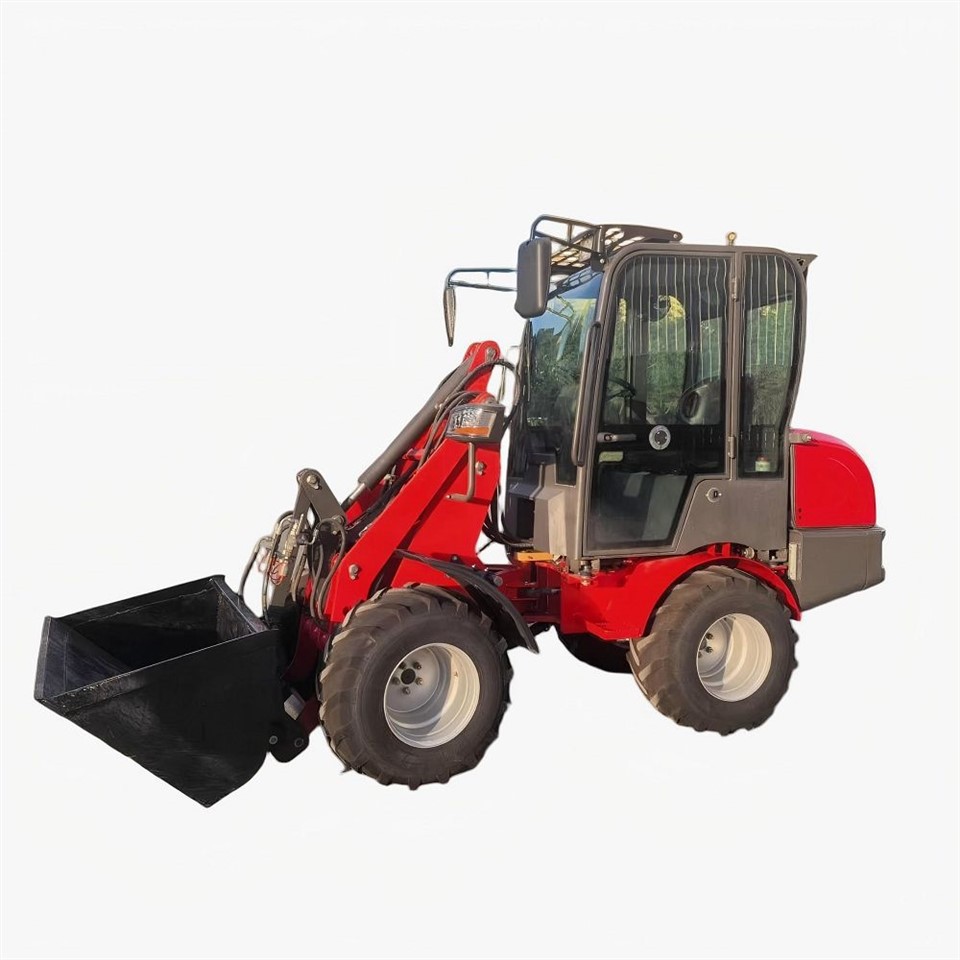
As a hydrostatic loader supplier, we offer a range of high - quality hydrostatic loaders to meet the diverse needs of our customers. One of our popular models is the 600kg Hydrostatic Loader | JH7706. This loader is designed with the latest hydrostatic technology, providing excellent performance and reliability. It has a compact design, making it suitable for use in small spaces, and it offers precise control for efficient operation.
Contact for Purchase and Negotiation
If you are in the market for a hydrostatic loader, we would be more than happy to discuss your requirements. Our team of experts can provide you with detailed information about our products, including specifications, pricing, and after - sales service. Whether you are a small - scale business or a large industrial enterprise, we can help you find the right hydrostatic loader for your needs. Contact us today to start the negotiation process and take your operations to the next level.
References
- "Loader Technology Handbook", published by Heavy Machinery Press.
- "Hydraulic Systems in Construction Equipment", an industry - research report.
- Technical manuals of various hydrostatic loader manufacturers.