



Skid steer loaders are remarkable pieces of heavy machinery that play a crucial role in various construction, landscaping, and agricultural projects. As a skid steer loader supplier, I've had the privilege of witnessing firsthand the versatility and efficiency these machines bring to the job site. In this blog post, I'll delve into the inner workings of a skid steer loader, exploring its key components, operating principles, and how it accomplishes a wide range of tasks.
Key Components of a Skid Steer Loader
Before we dive into how a skid steer loader works, let's first familiarize ourselves with its main components. These components work in harmony to provide the machine with its power, mobility, and functionality.
Chassis and Frame
The chassis and frame form the backbone of the skid steer loader. They provide structural support and house all the other components. The frame is typically made of high-strength steel to withstand the rigors of heavy use.
Engine
The engine is the heart of the skid steer loader, providing the power needed to operate the machine. Most skid steer loaders are powered by diesel engines, which offer high torque and fuel efficiency. The engine is connected to the hydraulic system and other components through a series of belts, chains, and gears.
Hydraulic System
The hydraulic system is one of the most important components of a skid steer loader. It is responsible for powering the machine's movement, as well as the operation of its attachments. The hydraulic system consists of a hydraulic pump, hydraulic cylinders, and hydraulic hoses. The pump is driven by the engine and pressurizes the hydraulic fluid, which is then sent through the hoses to the cylinders. The cylinders then use the hydraulic pressure to move the loader's arms, bucket, and other attachments.
Wheels or Tracks
Skid steer loaders can be equipped with either wheels or tracks. Wheel skid steer loaders are more commonly used on hard, flat surfaces, while track skid steer loaders are better suited for rough, uneven terrain. The choice between wheels and tracks depends on the specific application and the conditions of the job site.
Operator Cab
The operator cab is where the operator sits and controls the skid steer loader. It is designed to provide a comfortable and safe working environment, with features such as adjustable seats, climate control, and easy-to-reach controls. The cab also has a clear view of the job site, allowing the operator to see what they are doing at all times.
How a Skid Steer Loader Works
Now that we've covered the key components of a skid steer loader, let's take a closer look at how it works. The operation of a skid steer loader can be divided into three main stages: movement, attachment operation, and power transfer.
Movement
The movement of a skid steer loader is based on the principle of differential steering. Unlike traditional vehicles, which use a steering wheel to turn the wheels, skid steer loaders use independent control of the left and right wheels (or tracks) to turn. To turn left, the operator reduces the speed of the left wheels (or tracks) and increases the speed of the right wheels (or tracks). This causes the loader to pivot around the left side, making a left turn. To turn right, the operator does the opposite, reducing the speed of the right wheels (or tracks) and increasing the speed of the left wheels (or tracks).
The speed and direction of the skid steer loader are controlled by two joysticks located in the operator cab. One joystick controls the left wheels (or tracks), while the other controls the right wheels (or tracks). By moving the joysticks forward, backward, or to the side, the operator can control the speed and direction of the loader.
Attachment Operation
One of the key advantages of a skid steer loader is its ability to use a wide range of attachments. These attachments can be easily swapped in and out, allowing the loader to perform a variety of tasks. Some common attachments include buckets, forks, augers, and hydraulic hammers.
The operation of the attachments is also controlled by the hydraulic system. Each attachment is equipped with a hydraulic connector that can be easily connected to the skid steer loader's hydraulic system. Once the attachment is connected, the operator can use the joystick controls to operate the attachment. For example, to raise or lower the bucket, the operator moves the joystick up or down, which controls the hydraulic cylinders that are connected to the bucket.
Power Transfer
The power from the engine is transferred to the wheels (or tracks) and the hydraulic system through a series of components. The engine is connected to the transmission, which then transfers the power to the drive axles. The drive axles are connected to the wheels (or tracks) through the differential, which allows the wheels (or tracks) to rotate at different speeds when turning.
The power is also transferred to the hydraulic pump, which pressurizes the hydraulic fluid. The pressurized hydraulic fluid is then sent through the hydraulic hoses to the hydraulic cylinders and other components of the hydraulic system. The hydraulic cylinders use the hydraulic pressure to move the loader's arms, bucket, and other attachments.
Applications of Skid Steer Loaders
Skid steer loaders are incredibly versatile machines that can be used in a wide range of applications. Some common applications include:
Construction
Skid steer loaders are commonly used in construction projects for tasks such as excavation, grading, and material handling. They can be equipped with various attachments, such as buckets, forks, and hydraulic hammers, to perform different tasks.
Landscaping
In the landscaping industry, skid steer loaders are used for tasks such as digging trenches, moving soil, and clearing debris. They can also be used to install irrigation systems and plant trees and shrubs.
Agriculture
Skid steer loaders are useful on farms for tasks such as loading and unloading hay bales, spreading manure, and cleaning stalls. They can be equipped with attachments such as forks, buckets, and grapples to handle different types of agricultural materials.
Snow Removal
During the winter months, skid steer loaders can be equipped with snowplows and snow blowers to clear snow from driveways, parking lots, and sidewalks.
Our Skid Steer Loader Products
As a skid steer loader supplier, we offer a wide range of high-quality skid steer loaders to meet the needs of our customers. Our products include:
- 380kg Wheel Skid Steer | LZ380
- 760kg Wheel Sikd Steer | JH7070
- 380kg Track Skid Steer | LZ380T
- 475kg Track Skid Steer | LZ400
- 760kg Track Skid Steer | JH7070T
These skid steer loaders are designed to be reliable, efficient, and easy to operate. They are suitable for a variety of applications, from small-scale landscaping projects to large-scale construction sites.
Contact Us for Purchase and Negotiation
If you're in the market for a skid steer loader, we'd love to hear from you. Our team of experts can help you choose the right skid steer loader for your specific needs and budget. We also offer competitive pricing, excellent customer service, and after-sales support.

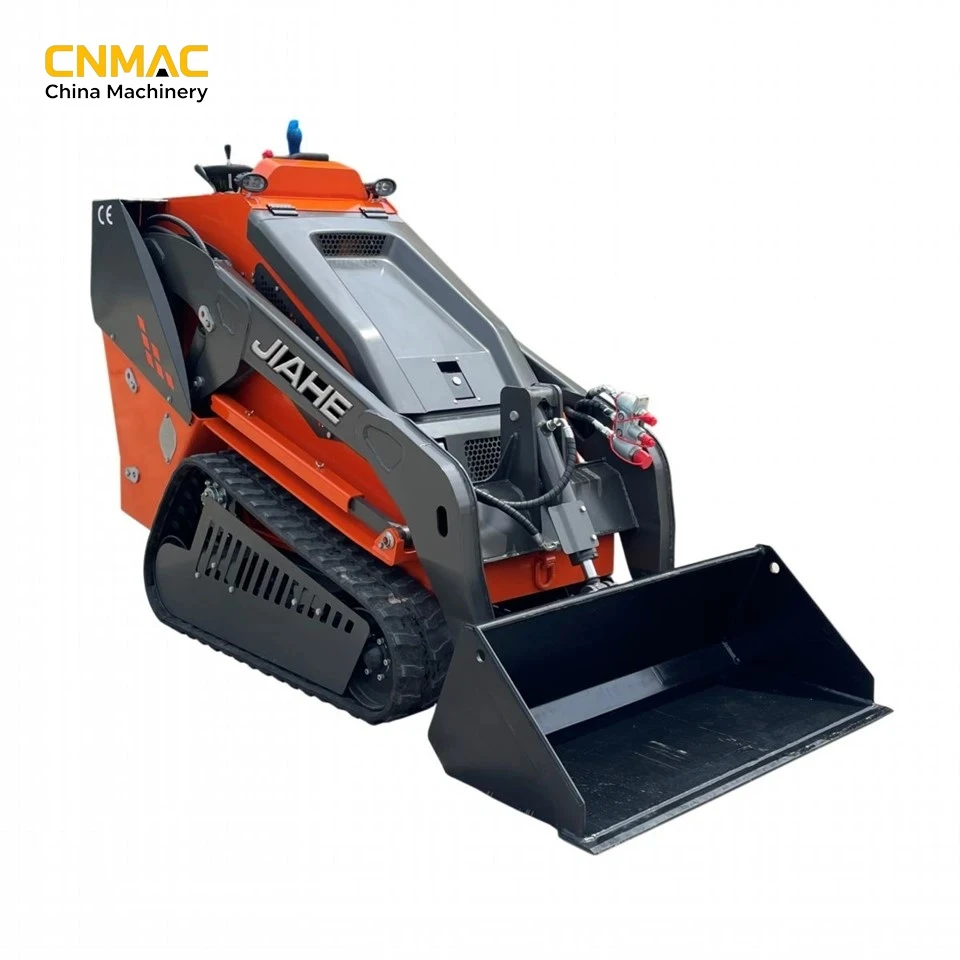
Whether you're a contractor, landscaper, farmer, or snow removal professional, our skid steer loaders can help you get the job done faster and more efficiently. Contact us today to learn more about our products and to start the purchase negotiation process.
References
- Construction Equipment Guide: A comprehensive resource for information on construction equipment, including skid steer loaders.
- Equipment World: Provides news, reviews, and industry insights on construction equipment, including skid steer loaders.
- Manufacturer's manuals: The manuals provided by the skid steer loader manufacturers are a valuable source of information on the operation and maintenance of the machines.


