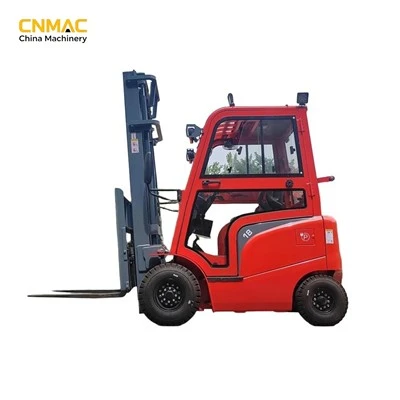


As a seasoned supplier of telescopic handlers, I've witnessed firsthand the versatility and efficiency these machines bring to various industries. One question that often arises is whether a telescopic handler can be effectively used for waste management. In this blog, we'll explore the capabilities of telescopic handlers in waste management, their advantages, challenges, and real - world applications.
Capabilities of Telescopic Handlers in Waste Management
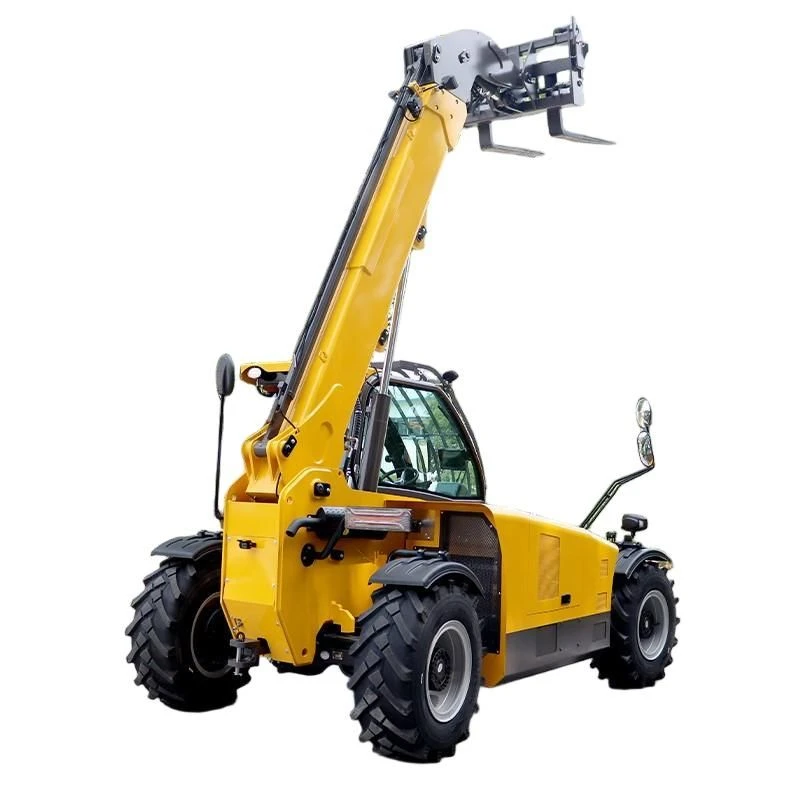
Telescopic handlers, also known as telehandlers, are engineered to lift, move, and place materials with a high degree of flexibility. Their telescopic boom allows for extended reach and height, which is particularly useful in waste management scenarios.
Loading and Unloading
In waste collection centers, telescopic handlers can be used to load waste containers onto trucks. The long reach of the boom enables operators to access containers placed at a distance or at different heights. For example, if waste bins are stacked in a multi - level storage area, a telescopic handler can easily reach the upper levels to pick up the bins and transfer them to the waiting trucks. Similarly, at waste disposal sites, telehandlers can unload waste from trucks and distribute it across the landfill area.
Sorting Operations
In waste sorting facilities, telescopic handlers can play a crucial role. They can be equipped with specialized attachments such as grapples or forks to pick up and move different types of waste materials. For instance, a grapple attachment can be used to pick up large and irregularly shaped items like furniture or construction debris, while forks can handle pallets of sorted recyclables. The ability to reach into different areas of the sorting facility and move materials efficiently helps in streamlining the sorting process.
Stockpiling
Waste materials often need to be stockpiled for further processing. Telescopic handlers can create and manage these stockpiles. They can stack waste materials in an organized manner, maximizing the use of storage space. The telescopic boom allows for precise placement of materials, ensuring that the stockpiles are stable and safe.
Advantages of Using Telescopic Handlers in Waste Management
Versatility
One of the most significant advantages of telescopic handlers is their versatility. A single machine can perform multiple tasks in waste management, from loading and unloading to sorting and stockpiling. This reduces the need for multiple pieces of equipment, saving both space and money. For example, instead of having a separate forklift for pallet handling and a loader for moving large waste items, a telescopic handler can do both with the appropriate attachments.
Mobility
Telescopic handlers are highly mobile. They can be easily maneuvered around waste management sites, including tight spaces and uneven terrains. This is especially important in waste collection yards and landfills, where the layout is often complex, and the ground conditions may be challenging. The mobility of telehandlers allows for quick and efficient movement of waste materials, improving overall productivity.
Reach and Height
The extended reach and height capabilities of telescopic handlers give them an edge over other types of material - handling equipment. They can access areas that are otherwise difficult to reach, such as the top of tall waste containers or deep into a landfill site. This makes them ideal for waste management operations where vertical and horizontal distances need to be covered.
Challenges and Solutions
Contamination
One of the main challenges in using telescopic handlers for waste management is the risk of contamination. Waste materials can be dirty, sticky, and may contain harmful substances. To address this issue, telescopic handlers can be designed with easy - to - clean surfaces and protective coatings. Regular maintenance and cleaning procedures should also be implemented to prevent the build - up of contaminants on the machine.
Attachment Wear and Tear
The specialized attachments used in waste management, such as grapples and forks, are subject to significant wear and tear. Harsh waste materials can damage the attachments over time, reducing their effectiveness. To mitigate this, high - quality attachments should be used, and a regular inspection and replacement schedule should be established. Additionally, some telescopic handlers offer quick - change attachment systems, which allow for easy replacement of worn - out attachments.
Safety
Safety is a top priority in waste management operations. Telescopic handlers need to be operated safely to prevent accidents and injuries. Operators should receive thorough training on the use of telehandlers in waste management scenarios, including proper handling of attachments and safe operating procedures. Safety features such as load - sensing systems, stability control, and visibility aids should also be installed on the machines.
Real - World Applications
In a large municipal waste collection center, a telescopic handler like the FT35 Telescopic Forklift has been used to great effect. It is responsible for loading waste containers from the collection area onto trucks. The long reach of the FT35 allows it to access containers that are placed in the back of the storage area, reducing the need for manual handling and increasing the efficiency of the loading process.
At a waste recycling facility, telescopic handlers are used to sort and move different types of recyclables. The grapple attachments on the telehandlers can pick up large bundles of paper, plastic, and metal, and transfer them to the appropriate processing areas. This has significantly improved the speed and accuracy of the sorting process, leading to higher recycling rates.
Conclusion
In conclusion, telescopic handlers can be effectively used for waste management. Their versatility, mobility, reach, and height capabilities make them well - suited for a variety of waste management tasks, including loading, unloading, sorting, and stockpiling. While there are challenges such as contamination, attachment wear and tear, and safety concerns, these can be addressed through proper design, maintenance, and training.
If you're in the waste management industry and looking for a reliable and efficient material - handling solution, a telescopic handler could be the answer. As a supplier, we're committed to providing high - quality telescopic handlers and the support you need to ensure smooth operations. Whether you need a machine for a small waste collection facility or a large - scale landfill, we have the products and expertise to meet your requirements. Contact us to start a discussion about your waste management needs and explore how our telescopic handlers can enhance your operations.
References
- Langford, R., & Rowlinson, S. (2008). Construction Health and Safety: An Introduction to Management Techniques, Law and Regulations. Wiley - Blackwell.
- Minato, F., & Nakagoshi, N. (2012). An assessment of the potential and challenges of recycling waste materials in construction. Journal of Civil Engineering and Management, 18(5), 565 - 573.