



Hey there! As a forklift supplier, I know how crucial it is to conduct a pre - shift inspection on forklifts. It's not just about following the rules; it's about ensuring safety and efficiency in the workplace. So, let's dive into what should be checked during a forklift pre - shift inspection.
1. Visual Inspection
First things first, a good visual inspection is a must. Walk around the forklift and look for any obvious signs of damage. Check the body of the forklift for dents, scratches, or any signs of corrosion. These might seem like minor issues, but they could lead to bigger problems down the line.
For the tires, look for wear and tear. Uneven wear can indicate alignment issues, and bald spots can be a safety hazard. Make sure the tires are properly inflated. You don't want to be operating a forklift with under - inflated or over - inflated tires, as it can affect the stability and handling of the machine.
Inspect the mast and forks. The mast should be straight and free of any cracks or bends. The forks should be in good condition, without any signs of excessive wear or damage. If the forks are bent or damaged, it can affect the load - carrying capacity and safety of the forklift.
2. Fluid Checks
Fluids are the lifeblood of a forklift. Start with the fuel or battery. If it's a diesel forklift like our 3T Diesel Forklift | FD30, check the fuel level. Make sure there are no leaks around the fuel tank or fuel lines. A fuel leak not only wastes fuel but can also be a fire hazard.
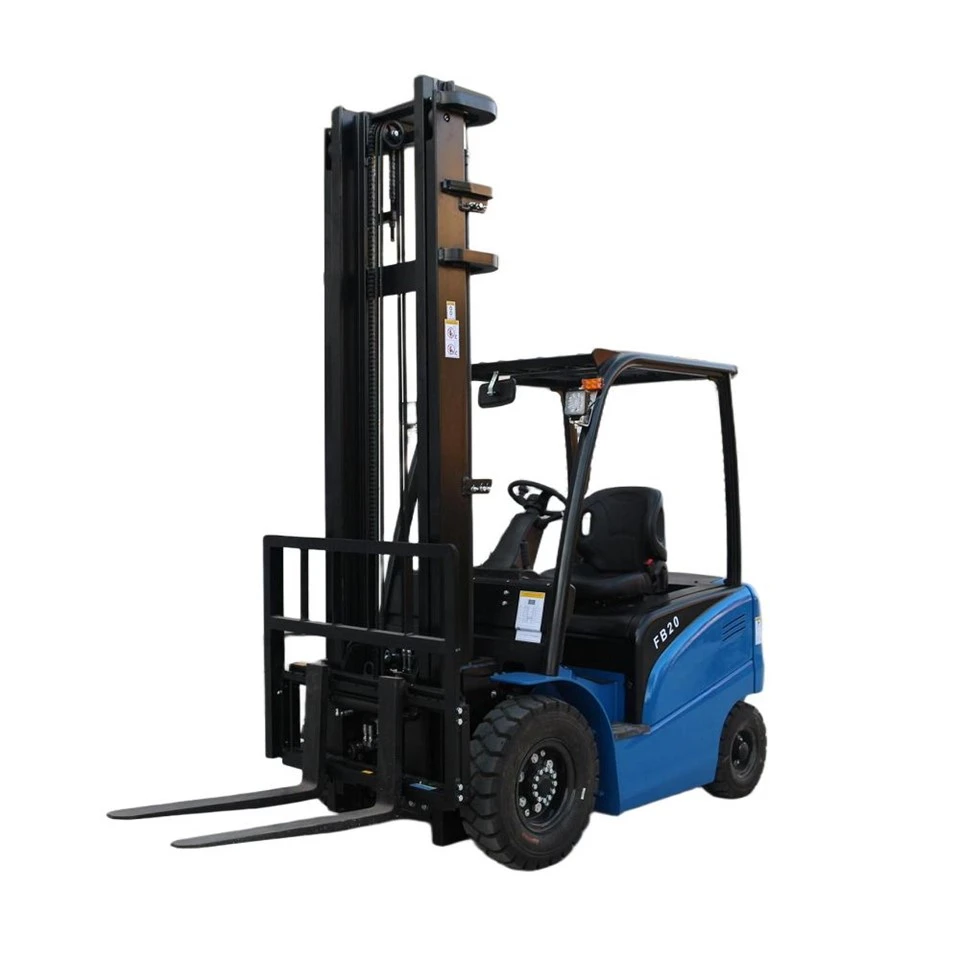
For battery - powered forklifts such as our 2T Battery Forklift | FB20, check the battery water level. Low water levels can damage the battery and reduce its lifespan. Also, look for any signs of corrosion on the battery terminals.
Next, check the hydraulic fluid. The hydraulic system is what allows the forklift to lift and lower loads. Low hydraulic fluid can cause the forklift to operate sluggishly or not at all. Make sure the fluid level is within the recommended range, and there are no leaks in the hydraulic lines.
Don't forget about the engine oil. Just like in a car, the engine oil lubricates the moving parts of the forklift's engine. Check the oil level using the dipstick, and make sure the oil is clean. If the oil is dirty or low, it can cause engine damage.
3. Lights and Signals
Good visibility is essential when operating a forklift. Check all the lights, including the headlights, taillights, and turn signals. Make sure they are all working properly. Faulty lights can make it difficult to see in low - light conditions and can also lead to accidents.
The horn is another important safety feature. Test the horn to make sure it's loud and clear. A functioning horn can be used to alert other workers in the area when the forklift is approaching.
4. Controls and Gauges
Inspect the controls of the forklift. The steering wheel should turn smoothly, and the brakes should be responsive. Check the accelerator and the lift controls to make sure they are working as they should.
Look at the gauges on the dashboard. The fuel gauge, battery gauge (for electric forklifts), and temperature gauge should all be functioning correctly. If any of the gauges show abnormal readings, it could indicate a problem with the forklift.
5. Safety Devices
Forklifts are equipped with several safety devices, and they should all be checked during the pre - shift inspection. The seatbelt is one of the most important safety features. Make sure it's in good condition and can be fastened securely.
The overhead guard protects the operator from falling objects. Check for any damage to the overhead guard, such as cracks or bent bars.
The load backrest extension is designed to prevent the load from falling back onto the operator. Make sure it's in place and in good condition.
6. Operational Checks
Finally, it's time to do some operational checks. Start the forklift and let it warm up for a few minutes. Listen for any unusual noises coming from the engine or other parts of the forklift. Unusual noises could be a sign of a mechanical problem.
Test the lifting and lowering functions of the mast. Make sure the forks can be raised and lowered smoothly and that the lift speed is consistent.
Drive the forklift forward and backward, and turn it in both directions. The steering should be responsive, and the forklift should move smoothly without any jerks or vibrations.

In conclusion, a thorough pre - shift inspection of a forklift is essential for safety and efficiency. By following these steps, you can identify and address any potential problems before they turn into major issues.
If you're in the market for a new forklift, we've got a great range of options, including the 3T Diesel Forklift | FD30, 2T Battery Forklift | FB20, and 5T Diesel Forklift | FD50. If you're interested in learning more or making a purchase, feel free to reach out to us. We're here to help you find the perfect forklift for your needs.
References:
- OSHA (Occupational Safety and Health Administration) guidelines on forklift safety
- Forklift manufacturer's manuals


