



What is the turning radius of a wheel loader?
As a wheel loader supplier, I often get asked about the turning radius of our machines. The turning radius is a crucial factor in determining the maneuverability of a wheel loader, especially in tight spaces such as construction sites, warehouses, and mining operations. In this blog post, I will explain what the turning radius is, why it matters, and how it can affect the performance of a wheel loader.
What is the turning radius?
The turning radius of a wheel loader refers to the minimum radius required for the machine to make a complete turn. It is typically measured from the center of the machine's rear axle to the outermost point of the machine's front wheels when the steering is at its maximum angle. The turning radius can be further classified into two types: the inner turning radius and the outer turning radius.
The inner turning radius is the radius of the circle formed by the inner front wheel of the wheel loader when it makes a turn. This radius is important because it determines how close the machine can get to obstacles or other objects when turning. A smaller inner turning radius means that the wheel loader can make tighter turns and operate in more confined spaces.
The outer turning radius, on the other hand, is the radius of the circle formed by the outer front wheel of the wheel loader when it makes a turn. This radius is important because it determines the space required for the machine to complete a turn without hitting any obstacles. A smaller outer turning radius means that the wheel loader can operate in smaller areas and requires less space to maneuver.
Why does the turning radius matter?
The turning radius of a wheel loader is an important consideration for several reasons. Firstly, it affects the machine's maneuverability. A wheel loader with a smaller turning radius can make tighter turns and operate in more confined spaces, which is particularly useful in construction sites, warehouses, and other areas where space is limited. This can increase productivity and efficiency by allowing the machine to access areas that would otherwise be difficult or impossible to reach.
Secondly, the turning radius can affect the safety of the machine and its operators. A wheel loader with a large turning radius may require more space to maneuver, which can increase the risk of collisions with other objects or vehicles. In addition, a large turning radius can make it more difficult for the operator to control the machine, especially in tight spaces.
Finally, the turning radius can affect the cost of operating the wheel loader. A machine with a smaller turning radius may require less fuel and maintenance, as it can operate more efficiently in smaller areas. This can result in significant cost savings over the life of the machine.
How does the turning radius affect the performance of a wheel loader?
The turning radius of a wheel loader can have a significant impact on its performance. A machine with a smaller turning radius can make tighter turns and operate in more confined spaces, which can increase productivity and efficiency. This is particularly important in applications where the machine needs to move quickly and efficiently, such as in construction sites, warehouses, and mining operations.

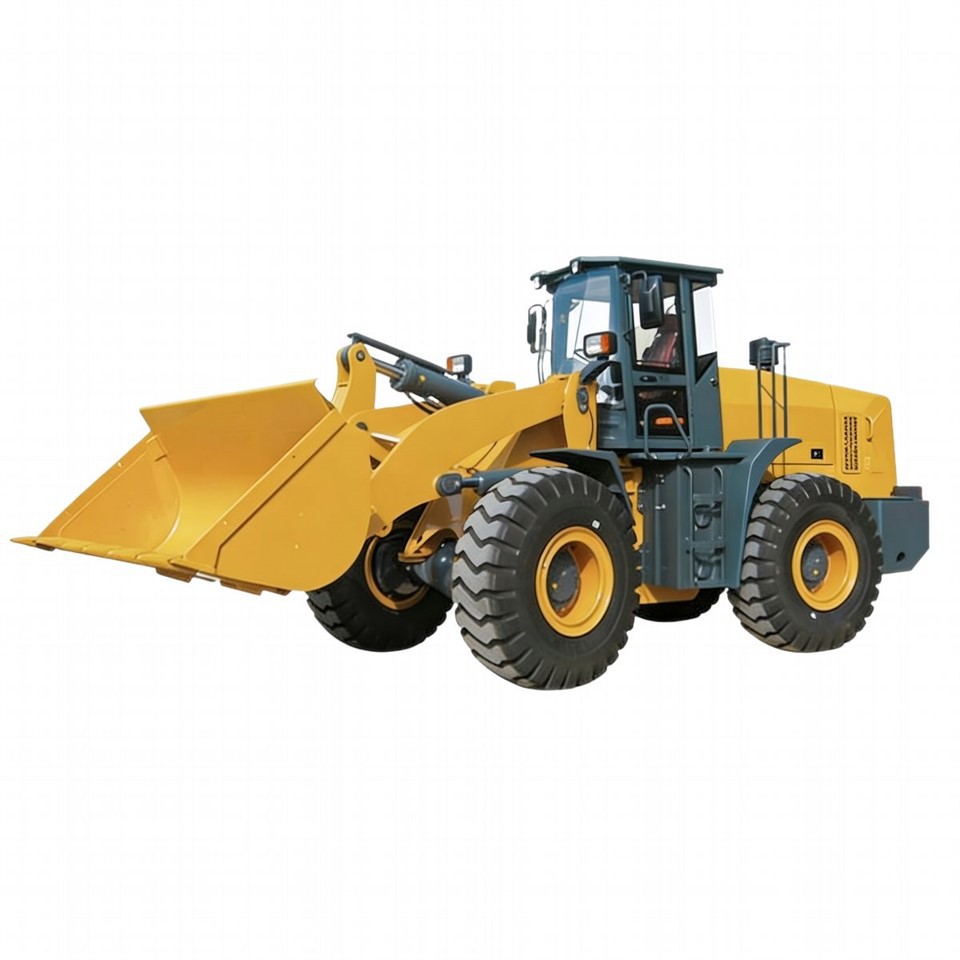
In addition, a smaller turning radius can improve the stability of the machine. When a wheel loader makes a turn, the weight of the machine is transferred to the outer wheels. A smaller turning radius means that the machine can make turns more smoothly and with less lateral force, which can reduce the risk of tipping over.
However, a smaller turning radius can also have some drawbacks. For example, a machine with a smaller turning radius may have a shorter wheelbase, which can affect its stability and load capacity. In addition, a smaller turning radius may require more frequent steering adjustments, which can increase the operator's workload and fatigue.
Our wheel loaders and their turning radii
At our company, we offer a range of wheel loaders with different turning radii to meet the needs of our customers. Our 3T Wheel Loader | 636 has a relatively small turning radius, which makes it ideal for operating in tight spaces. This machine is suitable for a variety of applications, including construction, agriculture, and material handling.
Our 5T Wheel Loader | 656 has a larger turning radius, but it also has a higher load capacity and more powerful engine. This machine is suitable for more heavy-duty applications, such as mining and large-scale construction projects.
Conclusion
In conclusion, the turning radius of a wheel loader is an important factor to consider when choosing a machine. A smaller turning radius can increase the machine's maneuverability, safety, and efficiency, but it may also have some drawbacks. At our company, we offer a range of wheel loaders with different turning radii to meet the needs of our customers. If you are interested in purchasing a wheel loader, please contact us to discuss your requirements and find the right machine for your application.
References
- Manufacturer's specifications for wheel loaders
- Industry standards and guidelines for wheel loader design and operation


