



The noise level of a motor is a crucial factor that significantly impacts its usability, efficiency, and the overall user experience. As a motor supplier, understanding and communicating the noise characteristics of our motors is essential for our customers. In this blog, we will delve into what the noise level of a motor is, what causes it, how it is measured, and why it matters.
What is Motor Noise?
Motor noise refers to the unwanted sound generated by a motor during its operation. It is a complex phenomenon that can result from various mechanical, electrical, and fluid - dynamic processes within the motor. The noise can range from a low - frequency hum to high - pitched screeches, depending on the type, design, and operating conditions of the motor.
There are two main types of motor noise: airborne noise and structure - borne noise. Airborne noise is the sound that travels through the air and is directly audible to the human ear. Structure - borne noise, on the other hand, is transmitted through the motor's housing and other connected structures, which can then radiate airborne noise at different points.
Causes of Motor Noise
Mechanical Causes
- Vibration: Motors have rotating and reciprocating parts. Any imbalance in the rotating components, such as the rotor, can cause vibration. For example, if the rotor is not perfectly balanced, it will create uneven forces as it spins, leading to vibrations that generate noise.
- Bearing Issues: Worn - out or damaged bearings can produce a significant amount of noise. As the bearings support the rotating shaft, any roughness or play in the bearing can cause rattling or grinding sounds.
- Gear Mesh: In motors with gears, improper gear meshing is a common cause of noise. If the gears are not properly aligned or if there is excessive backlash, it can result in a clicking or whining noise.
Electrical Causes
- Electromagnetic Forces: When an electric current flows through the motor's windings, it creates electromagnetic fields. Interactions between these fields can cause the motor's core and windings to vibrate, producing noise. This is particularly noticeable in AC motors, where the changing magnetic fields can cause a humming sound.
- Switching Noise: In some types of motors, such as stepper motors, the rapid switching of electrical currents can generate high - frequency noise.
Fluid - Dynamic Causes
- Hydraulic Motors: In hydraulic motors, the flow of hydraulic fluid can cause noise. Turbulence in the fluid flow, cavitation (the formation and collapse of vapor bubbles in the fluid), and pressure fluctuations can all contribute to the noise level. For instance, our MA23W01 - 333 Hydraulic Motor is designed to minimize these fluid - dynamic noise sources, but understanding these factors is crucial for proper operation.
Measuring Motor Noise
The noise level of a motor is typically measured in decibels (dB). A decibel is a logarithmic unit that expresses the ratio of a sound's intensity to a reference intensity. To measure motor noise accurately, specialized equipment is used, such as sound level meters.
The measurement process usually involves placing the sound level meter at a specific distance from the motor, typically 1 meter, and at a certain height, often at the motor's centerline. The motor should be operating under normal load conditions during the measurement. Multiple measurements may be taken at different points around the motor to get a comprehensive understanding of its noise profile.
Why Motor Noise Matters
User Comfort
In many applications, such as in household appliances or office equipment, a quiet motor is essential for user comfort. A noisy motor can be a source of annoyance, especially in environments where people are trying to work or relax. For example, a noisy fan motor in an air conditioner can disrupt sleep or concentration.
Safety
Excessive motor noise can also be an indication of a problem with the motor. A sudden increase in noise level could signal a mechanical failure, such as a loose part or a worn - out bearing. Ignoring these warning signs can lead to more serious problems, including motor breakdowns, which can pose safety risks in some applications, such as in industrial machinery or automotive systems.
Environmental Impact
In industrial settings, high - noise motor operations can contribute to noise pollution. This can have a negative impact on the health and well - being of workers in the vicinity. Additionally, in some areas, there are strict regulations regarding noise emissions from industrial equipment, and motors that exceed the permitted noise levels may result in fines or other legal consequences.
Our Motor Offerings and Noise Considerations
As a motor supplier, we offer a wide range of motors, each designed with noise reduction in mind. For example, our 20 - 28T Swing Motor | MA180W01 - 321036 is engineered to operate with a low noise level, ensuring smooth and quiet performance in construction machinery.
Our 30 - 36T Hydraulic Motor | KYB MAG - 180VP - 6000 is another product where we have paid close attention to noise reduction. Through advanced design and high - quality manufacturing processes, we have minimized the fluid - dynamic and mechanical noise sources, making it suitable for heavy - duty applications where noise control is important.
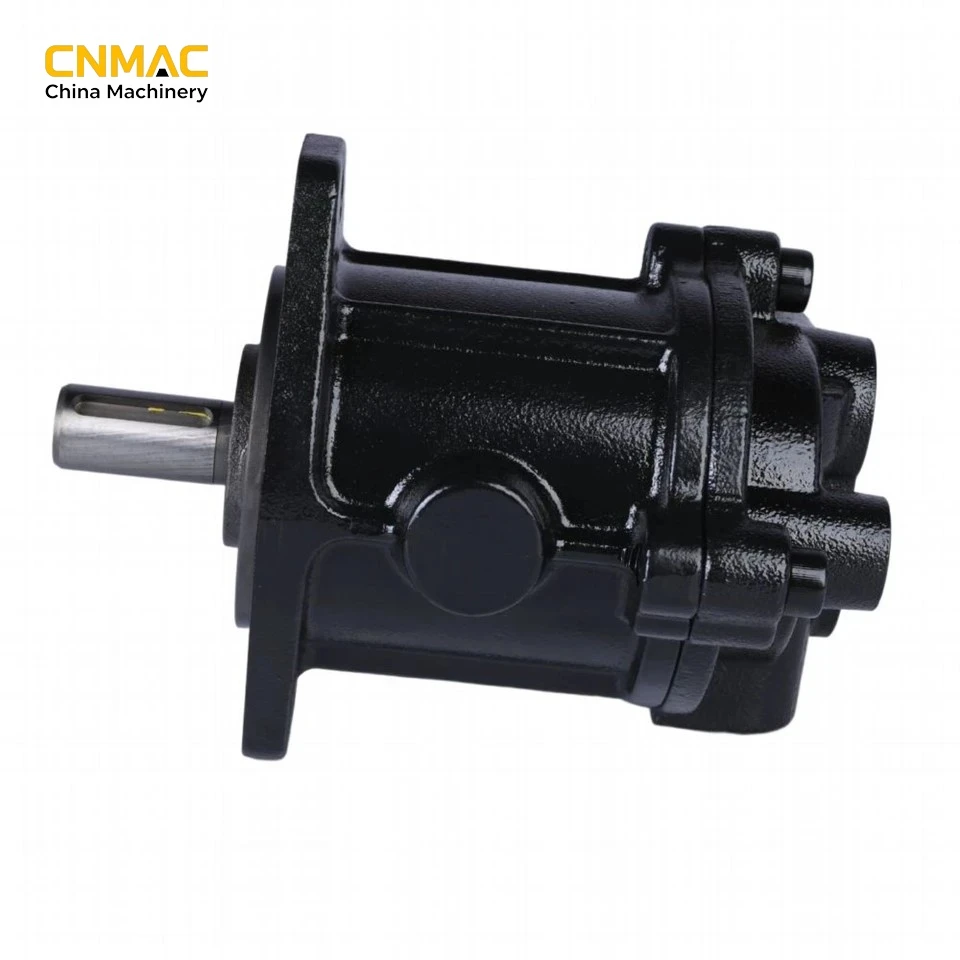

The MAG - 170VP - 3800 Hydraulic Motor and 25 - 30T Hydraulic Motor | KYB MAG - 170VP - 3800 are also designed to meet the highest standards of noise reduction. They incorporate features such as precision - engineered components and optimized fluid flow paths to reduce noise while maintaining high performance.
Conclusion and Call to Action
Understanding the noise level of a motor is essential for both motor suppliers and customers. At our company, we are committed to providing high - quality motors with low noise levels. Whether you are looking for a motor for a small household appliance or a large industrial machine, we have the right solution for you.
If you are interested in learning more about our motor products or have specific requirements regarding noise levels, please feel free to contact us. We are ready to engage in a detailed discussion about your needs and provide you with the best motor solutions.
References
- "Electric Motor Noise and Vibration: Causes and Cures" by EASA (Electrical Apparatus Service Association)
- "Hydraulic Systems: Design, Installation, and Troubleshooting" by various industry experts


