



When it comes to drilling machines, two common types that often come up in discussions are magnetic drills and regular drills. As a drilling machine supplier, I've had the opportunity to work with both types extensively and understand their unique characteristics, advantages, and limitations. In this blog post, I'll delve into the differences between magnetic drills and regular drills, shedding light on when to use each and how they can benefit various applications.
Design and Functionality
One of the most significant differences between magnetic drills and regular drills lies in their design and functionality. Regular drills, also known as handheld drills, are versatile tools that can be used for a wide range of drilling tasks. They typically consist of a motor, a chuck for holding drill bits, and a handle for gripping and controlling the drill. Regular drills are portable and can be used in various positions, making them suitable for both small-scale DIY projects and professional applications.
On the other hand, magnetic drills are designed specifically for heavy-duty drilling tasks, especially in metalworking and construction industries. They feature a powerful magnetic base that allows them to be securely attached to metal surfaces, providing stability and precision during drilling. The magnetic base ensures that the drill remains in place, even when drilling at high speeds or applying significant pressure. This makes magnetic drills ideal for drilling large holes in thick metal plates, beams, and other structural components.
Drilling Capacity
Another key difference between magnetic drills and regular drills is their drilling capacity. Regular drills are generally limited in terms of the size and depth of holes they can drill. They are typically suitable for drilling holes up to 1 inch in diameter and a few inches in depth. While some high-powered regular drills may be able to drill larger holes, they often require significant effort and may not provide the same level of precision as magnetic drills.
Magnetic drills, on the other hand, are designed to handle much larger drilling tasks. They can drill holes up to several inches in diameter and several inches in depth, depending on the model and specifications. The powerful motor and stable magnetic base of a magnetic drill allow it to drill through thick metal with ease, making it a popular choice for industrial applications.
Precision and Accuracy
Precision and accuracy are crucial factors in any drilling operation, especially in industries where tight tolerances are required. Regular drills rely on the operator's skill and stability to ensure accurate drilling. While experienced operators can achieve a high level of precision with a regular drill, it can be challenging to maintain consistent accuracy, especially when drilling large or deep holes.
Magnetic drills, on the other hand, are designed to provide superior precision and accuracy. The magnetic base holds the drill firmly in place, preventing it from moving or wandering during drilling. This ensures that the holes are drilled exactly where they are needed, with minimal deviation. Additionally, many magnetic drills are equipped with features such as depth stops and laser guides, which further enhance precision and accuracy.
Mobility and Portability
Regular drills are known for their portability and ease of use. They are lightweight and can be easily carried from one location to another, making them ideal for on-site work and small-scale projects. Regular drills can be used in various positions, including horizontal, vertical, and overhead, providing flexibility and convenience.
Magnetic drills, on the other hand, are generally larger and heavier than regular drills. They are designed for stationary use and are typically mounted on a workbench or a metal surface using the magnetic base. While some magnetic drills may be portable to a certain extent, they are not as easily maneuverable as regular drills. However, the stability and precision provided by the magnetic base make them well-suited for heavy-duty drilling tasks that require a high level of accuracy.
Applications
The differences in design, functionality, and performance between magnetic drills and regular drills make them suitable for different applications. Regular drills are commonly used for a variety of tasks, including woodworking, metalworking, and DIY projects. They are ideal for drilling small holes, countersinking, and driving screws. Regular drills are also popular among hobbyists and homeowners for general-purpose drilling tasks.
Magnetic drills, on the other hand, are primarily used in industrial applications, such as metal fabrication, construction, and maintenance. They are commonly used for drilling large holes in thick metal plates, beams, and other structural components. Magnetic drills are also used in applications where precision and accuracy are critical, such as in the aerospace and automotive industries.
Cost
The cost of a drilling machine is an important consideration for many buyers. Regular drills are generally more affordable than magnetic drills, making them a popular choice for budget-conscious consumers. The price of a regular drill can range from a few dollars for a basic model to several hundred dollars for a high-end professional-grade drill.

Magnetic drills, on the other hand, are typically more expensive than regular drills due to their advanced features and capabilities. The price of a magnetic drill can range from a few hundred dollars to several thousand dollars, depending on the model and specifications. However, the investment in a magnetic drill can be well worth it for businesses and professionals who require a high level of precision and performance in their drilling operations.
Conclusion
In conclusion, magnetic drills and regular drills are two distinct types of drilling machines with their own unique characteristics, advantages, and limitations. Regular drills are versatile, portable, and affordable, making them suitable for a wide range of applications. Magnetic drills, on the other hand, are designed for heavy-duty drilling tasks, providing superior precision, accuracy, and stability. When choosing between a magnetic drill and a regular drill, it's important to consider the specific requirements of your project, including the size and depth of the holes, the material being drilled, and the level of precision and accuracy required.
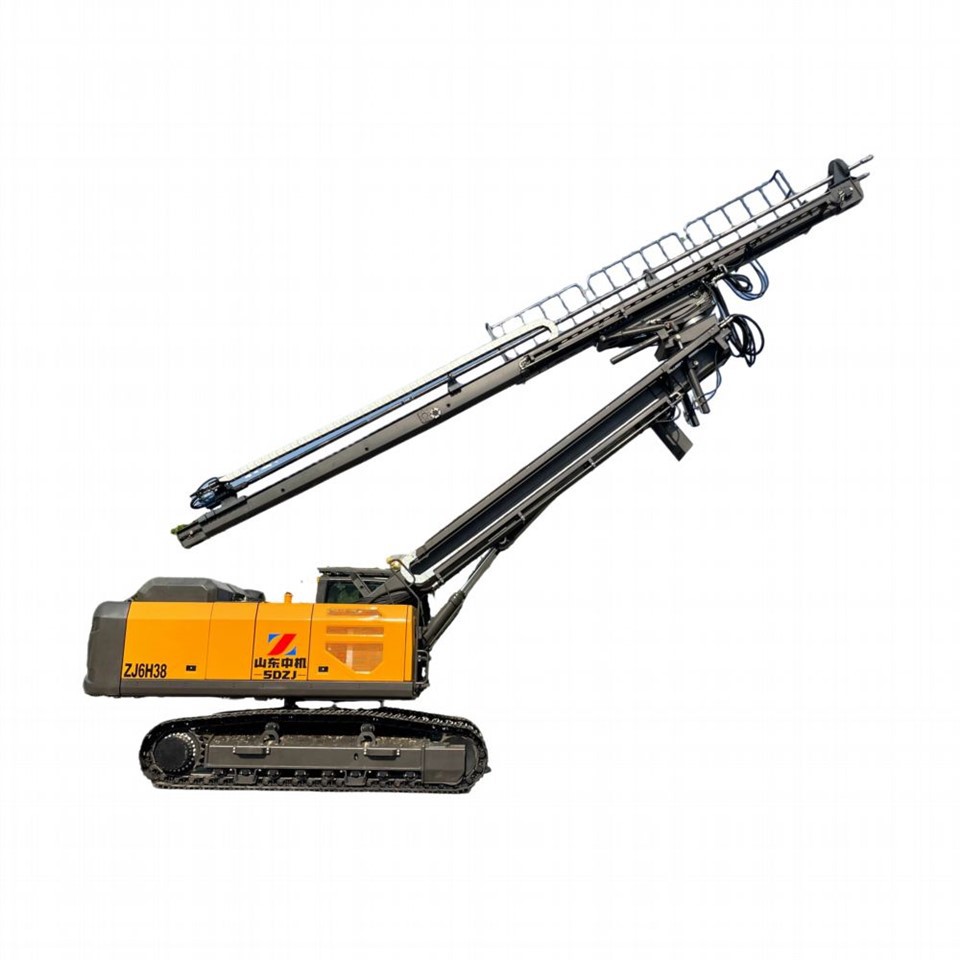
If you're in the market for a drilling machine, whether it's a magnetic drill or a regular drill, Top Hammer Drilling Rig and Anchor Drilling Rig are excellent options to consider. These drilling rigs offer high performance, reliability, and precision, making them ideal for a variety of industrial applications.
If you have any questions or need further information about our drilling machines, please don't hesitate to contact us. We're here to help you find the right drilling machine for your needs and provide you with the support and expertise you need to get the job done right.
References
- "Drilling Machines: Types, Uses, and Selection." Engineering Choice.
- "Magnetic Drills vs. Regular Drills: What's the Difference?" Industrial Machinery Digest.
- "Choosing the Right Drill for the Job." Popular Mechanics.


