



Hey there, folks! As a loader supplier, I often get asked about custom loaders in Node.js projects. So, I thought I'd share my thoughts on what a custom loader is and how it can be super useful in your Node.js endeavors.
First off, let's understand what a loader is in the context of Node.js. In simple terms, a loader is like a translator. Node.js is great at handling JavaScript files natively, but sometimes we want to work with other types of files, like CSS, images, or even custom data formats. That's where loaders come in. They take these non - JavaScript files and transform them into something that Node.js can understand and use.
A custom loader in a Node.js project is a user - defined function that you create to handle specific types of files in a way that suits your project's needs. It gives you the flexibility to process files exactly how you want, rather than relying on the default behavior.
Let's say you're working on a project where you have a custom data format for storing user preferences. You can create a custom loader to read this data, parse it, and convert it into a JavaScript object that your Node.js application can use. This way, you're not limited to the standard file types that Node.js can handle out of the box.
One of the main benefits of using a custom loader is that it allows you to modularize your code. You can create different loaders for different types of files, making your codebase more organized and easier to maintain. For example, you could have a loader for handling SVG images, another for JSON data, and yet another for your custom data format.
Now, let's talk about how you actually create a custom loader. In Node.js, you can use the require.extensions (although it's a bit of a legacy approach) or the more modern import hooks. With import hooks, you can intercept the import process and modify how files are loaded.
Here's a simple example of a custom loader using import hooks. Let's say we have a custom file format called .myfile that contains some text data. We want to load this file and convert it into a JavaScript string.
import { createRequire } from 'module';
const require = createRequire(import.meta.url);

const customLoader = {
    resolve(specifier, context, defaultResolve) {
        return defaultResolve(specifier, context);
    },
    load(url, context, defaultLoad) {
        if (url.endsWith('.myfile')) {
            const fs = require('fs');
            const data = fs.readFileSync(url, 'utf8');
            return {
                format: 'module',
                source: `export default ${JSON.stringify(data)};`
            };
        }
        return defaultLoad(url, context);
    }
};

export { customLoader };
In this example, we're creating a custom loader that intercepts the loading of .myfile files. When a .myfile file is imported, it reads the file contents and exports them as a JavaScript string.
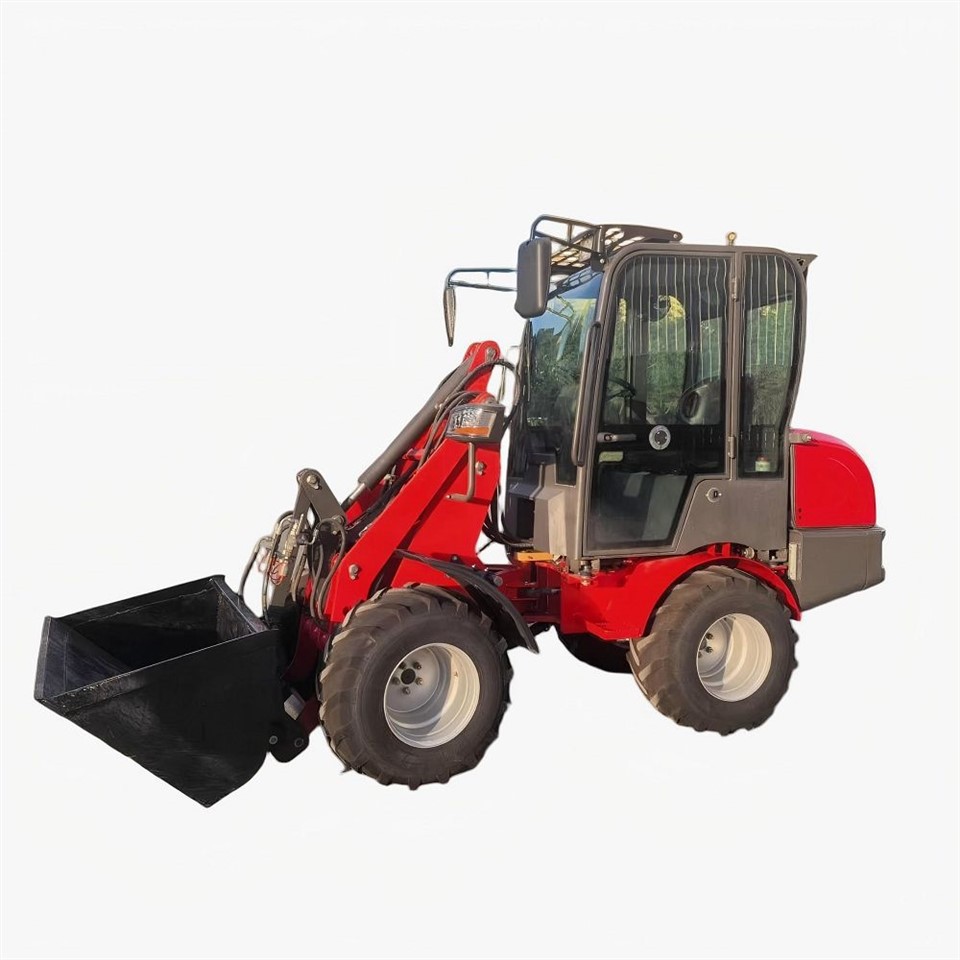
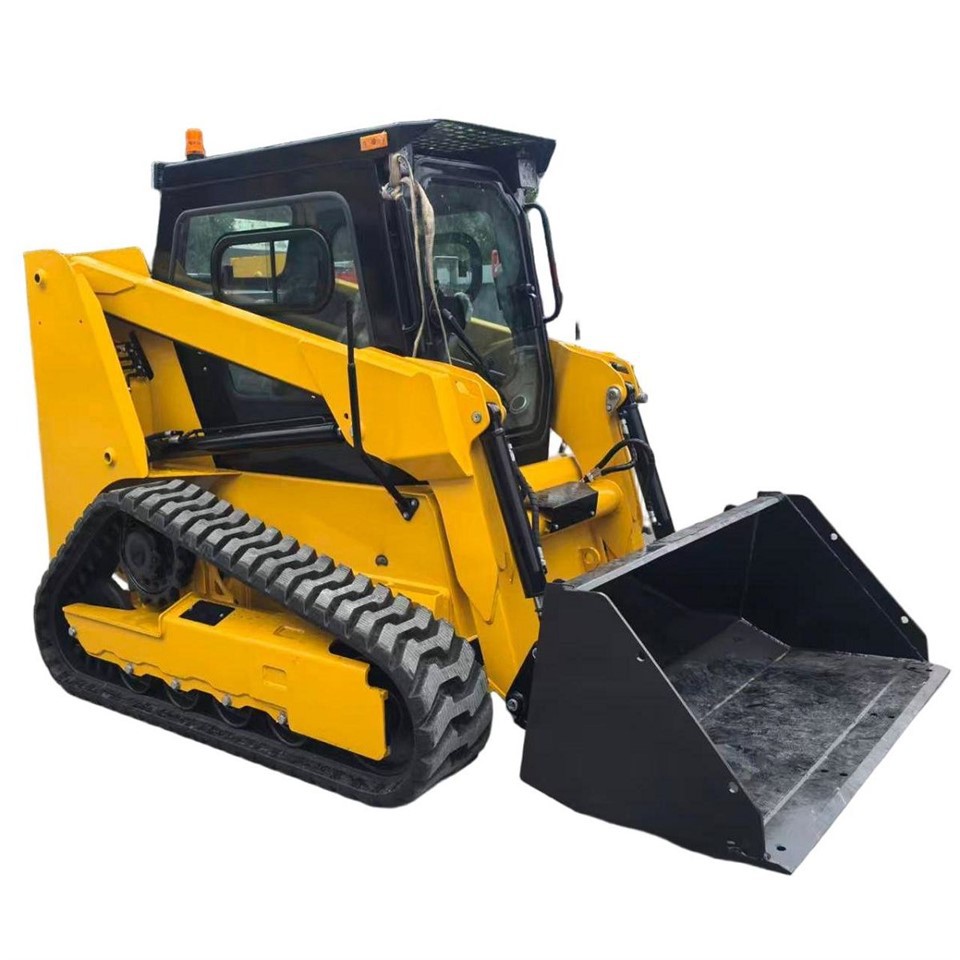
Now, as a loader supplier, I offer a range of loaders that can be used in various projects. For example, we have the 600kg Hydrostatic Loader | JH7706. This loader is designed for heavy - duty tasks and can handle a significant amount of weight with ease.
Another great option is the 760kg Track Skid Steer | JH7070T. It's a versatile loader that can be used in different terrains and is perfect for construction and landscaping projects.
If you're looking for something more compact, the 380kg Wheel Skid Steer | LZ380 is a great choice. It's easy to maneuver and can be used in tight spaces.
When it comes to custom loaders in Node.js projects, the possibilities are endless. You can create loaders to handle all sorts of file types and data formats. Whether you're working on a small personal project or a large - scale enterprise application, custom loaders can give you the edge you need.
If you're interested in our loaders or have any questions about custom loaders in Node.js projects, don't hesitate to reach out. We're here to help you find the right solution for your needs.
In conclusion, custom loaders in Node.js are a powerful tool that can enhance your project's functionality and flexibility. By creating your own loaders, you can handle non - standard file types and data formats in a way that makes sense for your application. And if you're in the market for a physical loader, we've got you covered with our high - quality products.
References:
- Node.js official documentation on module loading
- Various online tutorials on custom loaders in Node.js


