



Renting a skid steer loader can be an excellent solution for various construction, landscaping, and agricultural projects. As a skid steer loader supplier with extensive industry experience, I understand the importance of knowing the requirements for renting these versatile machines. In this blog post, I'll explore the key elements you need to consider when renting a skid steer loader to ensure a smooth and successful rental experience.
1. Licensing and Training
Before renting a skid steer loader, it's crucial to determine if any specific licenses or training are required. While the regulations vary by region, in many areas, operating a skid steer loader does not require a professional license. However, most reputable rental companies strongly recommend or even mandate that operators receive proper training.
Training equips operators with the knowledge and skills necessary to operate the skid steer loader safely and efficiently. It covers topics such as machine controls, safety procedures, proper handling of attachments, and preventive maintenance. Some rental companies offer on - site training for an additional fee, or you can enroll in a certified training course through industry organizations.

2. Project Requirements
Understanding the specific requirements of your project is essential when renting a skid steer loader. Consider the following factors:
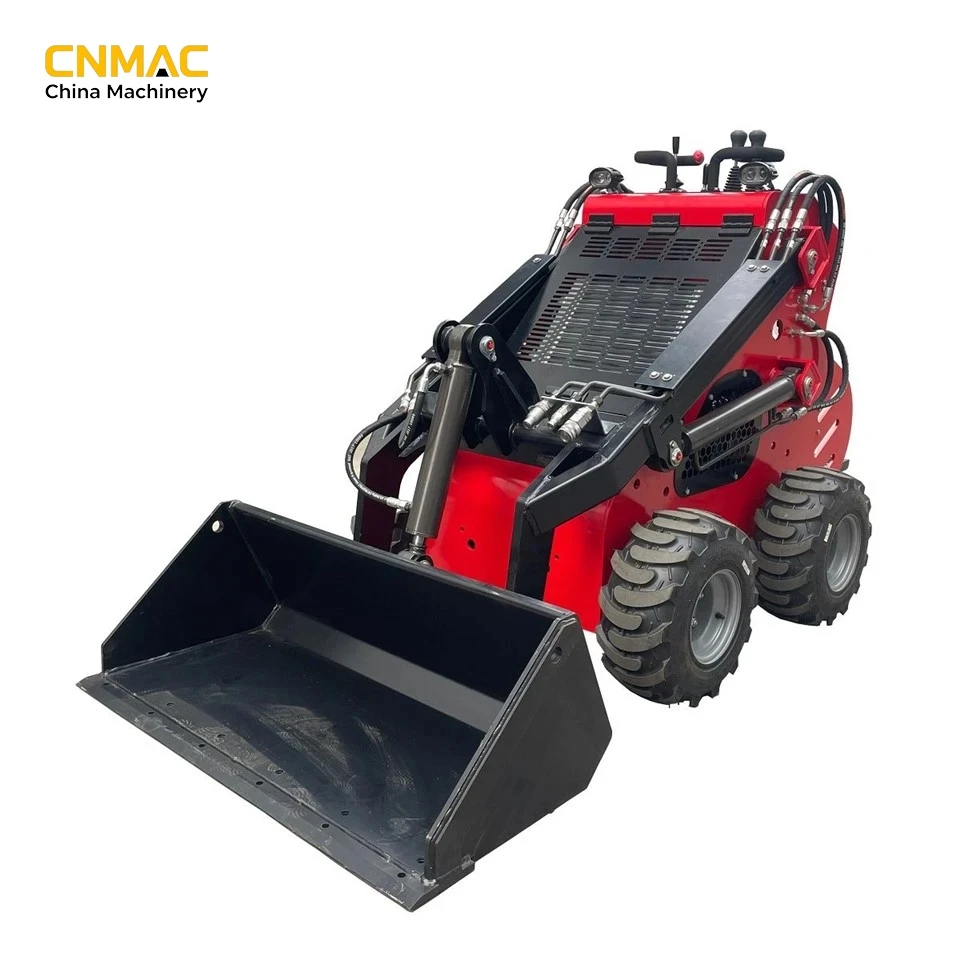
- Job Size and Scope: For small - scale projects like backyard landscaping or light - duty construction tasks, a smaller and more maneuverable skid steer loader may be sufficient. For instance, the 380kg Wheel Skid Steer | LZ380 is a great option for tight spaces and less demanding jobs. On the other hand, large - scale construction sites or heavy - duty agricultural work may require a more powerful machine, such as the 1.2T Wheel Skid Steer | JH7120.
- Terrain: The type of terrain where the skid steer loader will be used is a critical consideration. If the project site has soft or uneven ground, a track - type skid steer loader is often the better choice. Our 380kg Track Skid Steer | LZ380T and 760kg Track Skid Steer | JH7070T provide better traction and stability on challenging terrains compared to their wheeled counterparts. For hard, flat surfaces, wheel skid steer loaders offer greater speed and mobility.
- Attachments: Different projects require different attachments. Common attachments include buckets for digging and moving materials, forks for lifting pallets, and augers for drilling holes. Make sure the rental skid steer loader is compatible with the attachments you need. Some rental companies offer a wide range of attachments for rent along with the skid steer loader.
3. Rental Company Requirements
When renting a skid steer loader from a supplier, you'll need to meet certain requirements set by the company:
- Age and Identification: Most rental companies require renters to be at least 18 years old. You'll need to provide a valid government - issued ID, such as a driver's license, to verify your identity.
- Insurance: Rental companies often require renters to have insurance coverage for the skid steer loader during the rental period. This can be your own equipment insurance policy or a temporary insurance option provided by the rental company. Insurance protects against damage, theft, and liability in case of an accident.
- Rental Agreement: You'll be required to sign a rental agreement that outlines the terms and conditions of the rental. This includes details such as the rental duration, rental rate, late fees, damage policies, and return requirements. It's important to read and understand the agreement thoroughly before signing.
4. Financial Requirements
Renting a skid steer loader involves several financial aspects:
- Rental Rate: Rental rates vary depending on the type and size of the skid steer loader, the rental duration, and the location. Typically, rental rates are calculated on a daily, weekly, or monthly basis. Some rental companies may also offer discounts for longer rental periods. Our 760kg Wheel Sikd Steer | JH7070 has a competitive rental rate that can fit different project budgets.
- Deposit: Most rental companies require a security deposit, which is refundable upon the successful return of the skid steer loader in good condition. The deposit amount is usually based on the value of the machine and can range from a few hundred dollars to a significant portion of the machine's purchase price.
- Additional Fees: Be aware of any additional fees that may apply, such as delivery and pickup charges, fuel charges, and maintenance fees. Some rental companies may also charge a fee for cleaning the machine after use.
5. Maintenance and Inspection
Proper maintenance and inspection are crucial for the safe and efficient operation of a skid steer loader.
- Pre - Rental Inspection: Before taking possession of the skid steer loader, conduct a thorough pre - rental inspection with the rental company representative. Check for any visible damage, leaks, or mechanical issues. Make sure all safety features, such as seat belts, lights, and warning signs, are in working condition.
- During - Rental Maintenance: As the renter, you're responsible for basic maintenance during the rental period, such as checking the fluid levels (oil, coolant, hydraulic fluid), tire pressure (for wheel skid steer loaders), and cleaning the machine after each use. Follow the manufacturer's maintenance guidelines provided by the rental company.
- Post - Rental Inspection: When returning the skid steer loader, the rental company will conduct a post - rental inspection. If any damage is found beyond normal wear and tear, you may be responsible for the repair costs.
6. Logistics and Transportation
Getting the skid steer loader to and from the project site is an important consideration:
- Transportation: You'll need to arrange for transportation of the skid steer loader to the project site. This can be done using a flatbed trailer or a specialized equipment transporter. Some rental companies offer delivery and pickup services for an additional fee.
- Access to the Site: Ensure that the project site has adequate access for the skid steer loader and the transport vehicle. Consider factors such as gate widths, turning radii, and weight restrictions, especially if the site is in a confined area or on a public road.
Conclusion
Renting a skid steer loader can be a cost - effective and practical solution for many projects. By understanding the requirements for renting, including licensing and training, project needs, rental company terms, financial obligations, maintenance, and logistics, you can make an informed decision and ensure a successful rental experience.
If you're interested in renting a skid steer loader for your next project or have any questions about our available models, such as the 760kg Wheel Sikd Steer | JH7070, 380kg Wheel Skid Steer | LZ380, 380kg Track Skid Steer | LZ380T, 760kg Track Skid Steer | JH7070T, or 1.2T Wheel Skid Steer | JH7120, feel free to contact me. I'm here to help you find the right equipment for your needs and guide you through the rental process.
References
- Construction Equipment magazine: Various articles on skid steer loader operation and rental.
- Occupational Safety and Health Administration (OSHA) guidelines for heavy equipment operation.
- Manufacturer's manuals for different skid steer loader models.


