



Forklifts are essential equipment in various industries, from warehouses and distribution centers to manufacturing plants. They play a crucial role in moving heavy loads efficiently. However, one often overlooked aspect of forklifts is their noise levels. In this blog post, we'll explore the noise levels of forklifts, what factors influence them, and why it matters. As a forklift supplier, we understand the importance of providing accurate information about our products, including their noise characteristics.
Understanding Forklift Noise Levels
Noise levels are typically measured in decibels (dB). A decibel is a unit used to express the intensity of a sound. The higher the decibel level, the louder the sound. Forklifts can produce a range of noise levels depending on several factors, including the type of forklift, its engine, and its operating conditions.
Types of Forklifts and Their Noise Levels
There are different types of forklifts, each with its own noise profile. Let's take a look at some common types:
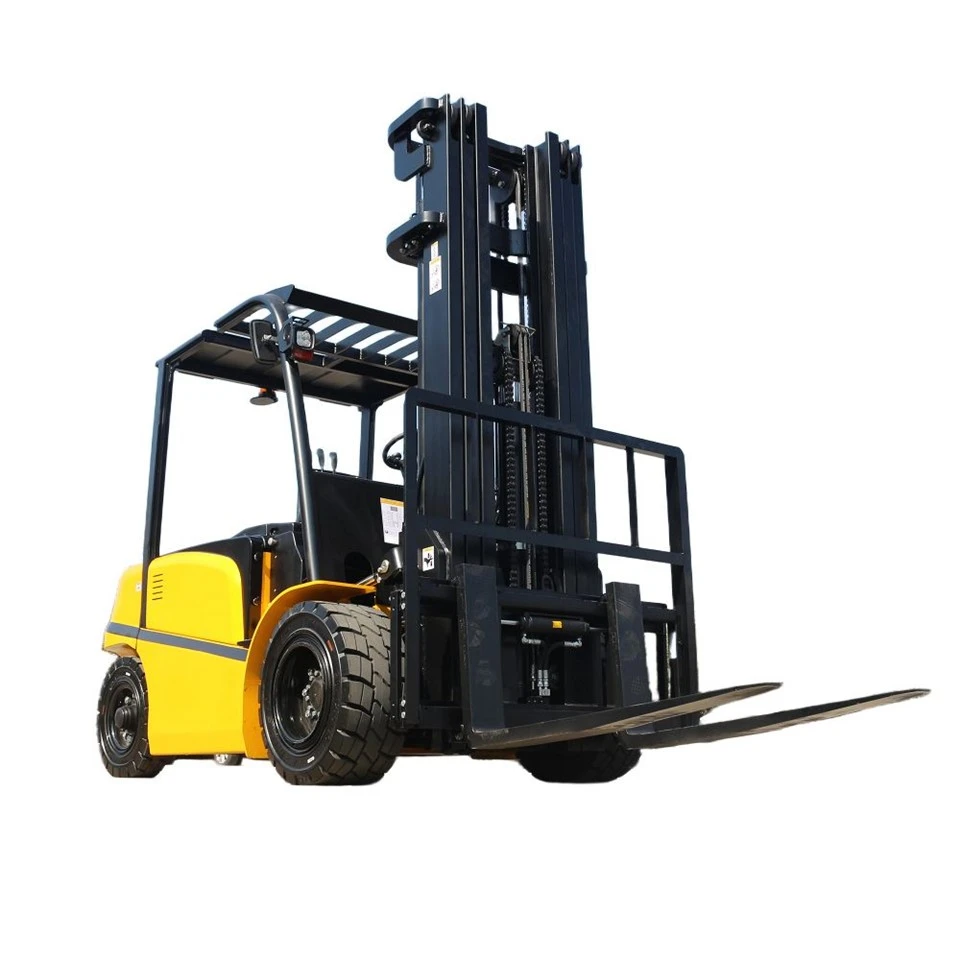
- Electric Forklifts: Electric forklifts are generally quieter than their diesel or gasoline counterparts. They produce less noise because they do not have an internal combustion engine. The noise from an electric forklift mainly comes from the electric motor and the movement of the forklift itself. For example, our 6T Battery Forklift | FB60 is designed to operate with minimal noise, making it suitable for indoor environments where noise reduction is important.
- Diesel Forklifts: Diesel forklifts are known for their power and durability. However, they tend to be noisier than electric forklifts. The combustion process in a diesel engine generates a significant amount of noise. The noise level can vary depending on the size and power of the forklift. Our 10T Diesel Forklift | FD100 and 2.5T Diesel Forklift | FD25 are powerful diesel forklifts that, while efficient, produce a relatively higher noise level compared to electric models.
Factors Affecting Forklift Noise Levels
Several factors can influence the noise levels of a forklift:
- Engine Type and Size: As mentioned earlier, the type of engine (electric, diesel, or gasoline) has a significant impact on noise levels. Additionally, the size of the engine also matters. Larger engines generally produce more noise than smaller ones.
- Operating Conditions: The way a forklift is operated can also affect its noise level. For example, accelerating rapidly, carrying heavy loads, or operating on rough surfaces can increase the noise produced by the forklift.
- Maintenance: Proper maintenance is crucial for keeping a forklift's noise levels in check. A well-maintained forklift will operate more quietly than one that is in poor condition. Regular maintenance, such as oil changes, filter replacements, and lubrication, can help reduce noise.
Why Forklift Noise Levels Matter
The noise levels of forklifts can have several implications, both for the operators and the workplace environment.
Operator Health and Safety
Exposure to high levels of noise over an extended period can cause hearing damage. Forklift operators are at risk of developing noise-induced hearing loss if they are exposed to excessive noise on a regular basis. By providing forklifts with lower noise levels, we can help protect the health and safety of operators.
Workplace Productivity
High noise levels can be distracting and reduce productivity. In a busy warehouse or manufacturing plant, excessive noise can make it difficult for workers to communicate effectively, leading to errors and delays. Quieter forklifts can help create a more productive work environment.

Environmental Considerations
In some areas, there are regulations regarding noise pollution. Forklifts that produce excessive noise may not comply with these regulations, which can result in fines and other penalties. By offering forklifts with lower noise levels, we can help our customers meet environmental requirements.
How We Address Forklift Noise Levels
As a forklift supplier, we are committed to providing our customers with high-quality forklifts that meet their needs. To address the issue of noise levels, we take several steps:
- Product Design: We design our forklifts with noise reduction in mind. Our engineers use advanced technologies and materials to minimize the noise produced by the forklifts. For example, we use soundproofing materials in the engine compartment to reduce the transmission of noise.
- Testing and Certification: Before our forklifts are released to the market, they undergo rigorous testing to ensure that they meet the required noise standards. We also obtain relevant certifications to demonstrate the compliance of our products.
- Customer Education: We provide our customers with information about the noise levels of our forklifts and offer advice on how to operate them in a way that minimizes noise. We also encourage our customers to perform regular maintenance on their forklifts to keep the noise levels under control.
Conclusion
Forklift noise levels are an important consideration for both operators and workplace environments. By understanding the factors that influence noise levels and taking steps to address them, we can provide our customers with forklifts that are not only efficient but also quiet. Whether you need an electric forklift for indoor use or a diesel forklift for heavy-duty applications, we have a range of products to meet your needs. If you are interested in learning more about our forklifts or have any questions about their noise levels, please feel free to contact us for a procurement discussion.
References
- OSHA. (n.d.). Occupational noise exposure. Retrieved from https://www.osha.gov/noise-exposure
- ISO 3691-1:2015. Industrial trucks - Safety requirements and verification - Part 1: Self-propelled industrial trucks, other than driverless trucks, variable-reach trucks and burden carriers.


