



As a supplier of telescopic handlers, I understand the critical role that the steering system plays in the overall performance and safety of these versatile machines. The steering system of a telescopic handler is a complex assembly that requires regular maintenance to ensure optimal functionality and longevity. In this blog post, I will discuss the maintenance requirements for the steering system of a telescopic handler, providing valuable insights for operators and fleet managers.
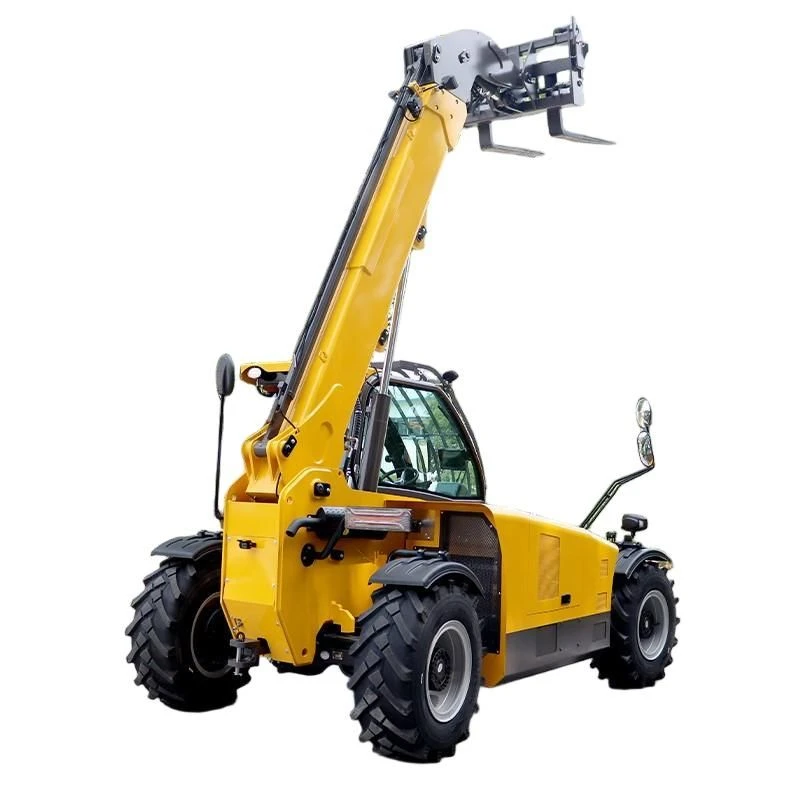
Understanding the Steering System of a Telescopic Handler
Before delving into the maintenance requirements, it's essential to understand the basic components of the steering system in a telescopic handler. The steering system typically consists of a steering wheel, steering column, steering gearbox, hydraulic cylinders, and tie rods. The steering wheel is connected to the steering column, which transmits the driver's input to the steering gearbox. The steering gearbox then converts the rotational motion of the steering wheel into linear motion, which is used to move the hydraulic cylinders. The hydraulic cylinders, in turn, actuate the tie rods, which are connected to the wheels, allowing the operator to steer the machine.
Regular Inspections
Regular inspections are the cornerstone of steering system maintenance. Operators should conduct visual inspections of the steering system before each use to check for any signs of damage, wear, or leaks. Look for loose or damaged components, such as bolts, nuts, and hoses. Check the hydraulic fluid level and condition, as low fluid levels or contaminated fluid can lead to steering problems. Inspect the steering wheel for excessive play or stiffness, which could indicate a problem with the steering gearbox or other components.
Lubrication
Proper lubrication is crucial for the smooth operation of the steering system. The steering gearbox, tie rod ends, and other moving parts should be lubricated regularly according to the manufacturer's recommendations. Use the recommended lubricant and follow the specified lubrication intervals to prevent premature wear and damage. Lubrication helps reduce friction, noise, and wear, ensuring that the steering system operates efficiently and reliably.
Hydraulic System Maintenance
The hydraulic system is an integral part of the steering system in a telescopic handler. The hydraulic fluid provides the power necessary to operate the steering cylinders. Regular maintenance of the hydraulic system is essential to prevent leaks, contamination, and component failure. Check the hydraulic fluid level regularly and top it up as needed. Replace the hydraulic fluid and filters at the recommended intervals to ensure clean and efficient operation. Inspect the hydraulic hoses and fittings for any signs of damage or leaks, and replace them if necessary.
Alignment and Adjustment
Proper alignment and adjustment of the steering system are essential for optimal performance and safety. Over time, the steering components can become misaligned due to normal wear and tear or rough operating conditions. Misalignment can cause uneven tire wear, poor steering response, and increased fuel consumption. Regularly check the alignment of the wheels and steering components and make any necessary adjustments. This may involve adjusting the tie rod ends or other steering components to ensure that the wheels are properly aligned.
Training and Operator Awareness
Proper training and operator awareness are crucial for the maintenance and safe operation of the steering system in a telescopic handler. Operators should be trained on the proper use and maintenance of the steering system, including how to perform pre - use inspections, lubrication, and basic troubleshooting. They should also be aware of the signs of steering system problems, such as excessive play, stiffness, or unusual noises, and know when to seek professional assistance.
Importance of OEM Parts
When it comes to steering system maintenance, using original equipment manufacturer (OEM) parts is highly recommended. OEM parts are designed and manufactured to meet the exact specifications of the telescopic handler, ensuring a perfect fit and optimal performance. Using non - OEM parts may result in compatibility issues, reduced performance, and increased risk of component failure. As a supplier, we offer a wide range of OEM steering system parts for our telescopic handlers, ensuring that our customers can maintain their machines with high - quality components.
Case Study: FT35 Telescopic Forklift
Let's take a look at the FT35 Telescopic Forklift as an example. This popular telescopic handler is known for its versatility and performance. The steering system of the FT35 is designed to provide precise and responsive steering, allowing operators to maneuver the machine with ease. To ensure the longevity and reliability of the steering system, regular maintenance is essential. By following the maintenance requirements outlined in this blog post, operators can keep the steering system of the FT35 in top condition, reducing downtime and maintenance costs.
Conclusion
In conclusion, the steering system of a telescopic handler is a critical component that requires regular maintenance to ensure optimal performance and safety. By conducting regular inspections, lubricating the components, maintaining the hydraulic system, aligning and adjusting the steering, and providing proper training to operators, you can extend the lifespan of the steering system and prevent costly breakdowns. As a telescopic handler supplier, we are committed to providing our customers with the highest quality products and support. If you have any questions about the maintenance of the steering system or are interested in purchasing a telescopic handler, please feel free to contact us for more information. We look forward to working with you to meet your material handling needs.
References
- Manufacturer's operation and maintenance manual for telescopic handlers.
- Industry standards and best practices for steering system maintenance in heavy equipment.


