



Hey there! As a supplier of electric forklifts, I've seen firsthand the amazing benefits these machines bring to the table. They're eco - friendly, quiet, and cost - effective in the long run. But like any piece of equipment, electric forklifts have their limitations. Let's dive into what those are.
1. Battery Life and Charging Time
One of the most significant limitations of electric forklifts is battery life. The battery is the heart of an electric forklift, and its capacity determines how long the forklift can operate. Depending on the model and the workload, a fully charged battery might last anywhere from a few hours to an entire shift.
For instance, if you're using a 1.8T Battery Forklift | FB18 in a high - intensity environment, the battery may drain faster. Heavy lifting, continuous operation, and frequent starts and stops can all take a toll on the battery. And once the battery runs out, you're looking at a significant downtime for recharging.
Charging time is another headache. It can take several hours to fully charge an electric forklift battery. Fast - charging options are available, but they often come at a higher cost and may also reduce the overall lifespan of the battery. So, if you need your forklift to be up and running 24/7, you'll either have to invest in multiple batteries or accept the long charging times.
2. Limited Lifting Capacity
Compared to their diesel or gas - powered counterparts, electric forklifts generally have a lower lifting capacity. While there are some high - capacity electric forklifts on the market, like the 6T Battery Forklift | FB60, they are still not as common as the lower - capacity models.
Most standard electric forklifts are designed for lighter loads, usually up to 3 - 5 tons. If you need to lift extremely heavy loads on a regular basis, an electric forklift might not be the best choice. In a construction site or a heavy - duty industrial setting where large and heavy materials need to be moved, diesel forklifts are often the go - to option.
3. Initial Cost
The upfront cost of an electric forklift is generally higher than that of a diesel or gas - powered forklift. This is mainly due to the high - tech battery and electrical components. When you're buying an electric forklift, you're not just paying for the machine itself but also for the advanced battery technology.
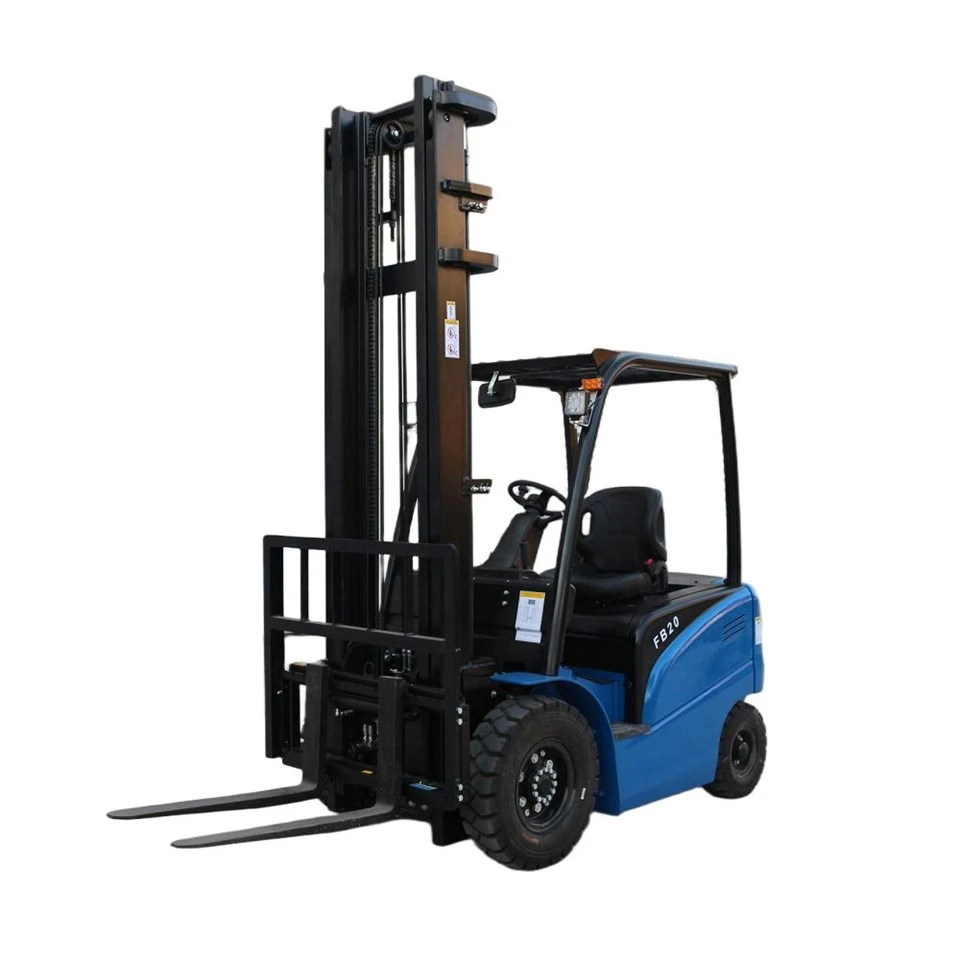
For example, a 2T Battery Forklift | FB20 may have a price tag that's significantly higher than a similar - capacity diesel forklift. This can be a major deterrent for small businesses or those on a tight budget. Although the long - term operating costs of electric forklifts are lower, the initial investment can be a hurdle for many potential buyers.
4. Environmental Limitations
Electric forklifts are sensitive to certain environmental conditions. They are not well - suited for outdoor use in extreme weather conditions. Cold temperatures can significantly reduce the battery's performance. In freezing weather, the battery may not hold a charge as well, and the forklift's overall efficiency can drop.
On the other hand, high - humidity environments can also cause problems. Moisture can damage the electrical components of the forklift, leading to malfunctions and costly repairs. So, if your work involves operating forklifts in harsh outdoor conditions, you might want to think twice before choosing an electric forklift.
5. Maintenance and Repair Complexity
Electric forklifts have a more complex electrical system compared to traditional forklifts. This means that maintenance and repairs can be more challenging and costly. Specialized technicians are often required to diagnose and fix electrical problems.
The battery, in particular, requires regular maintenance. Over time, the battery's performance can degrade, and it may need to be replaced. Battery replacement can be a significant expense, and it's not something that can be done by just anyone. If you don't have access to a skilled technician or a reliable service provider, you could face long periods of downtime for your forklift.

6. Limited Speed and Maneuverability
In some cases, electric forklifts may have limited speed and maneuverability compared to diesel or gas - powered forklifts. This is especially true for older models or those with lower - power motors. While modern electric forklifts have made great strides in terms of speed and performance, they still may not be as fast or agile as their counterparts in certain situations.
For example, in a large warehouse where quick movement between different areas is required, a diesel forklift might be able to get the job done more efficiently. The acceleration and top speed of electric forklifts may not be sufficient for high - speed operations.
7. Battery Disposal and Recycling
Another limitation is the issue of battery disposal and recycling. Electric forklift batteries contain hazardous materials, such as lead and acid. Improper disposal of these batteries can have a negative impact on the environment.
Recycling these batteries is not only important for environmental reasons but also for regulatory compliance. However, the process of recycling can be complex and expensive. You need to ensure that you're working with a reputable recycling company to handle the batteries properly.
Despite these limitations, electric forklifts still have a lot to offer. They are ideal for indoor use, where their quiet operation and zero emissions are a big plus. They also have lower operating costs in the long run, which can save you money over time.
If you're considering purchasing an electric forklift, it's important to weigh the pros and cons carefully. Think about your specific needs, the type of work you'll be doing, and your budget. And if you have any questions or want to discuss your options further, don't hesitate to reach out. We're here to help you make the best decision for your business.
References:
- Industry reports on forklift technology
- Manufacturer's specifications for electric forklifts
- Case studies on the use of electric forklifts in different industries


