


Controlling a motor is a fundamental skill in various industries, from manufacturing and robotics to automotive and aerospace. As a motor supplier, I've seen firsthand the importance of understanding how to control motors effectively. In this blog post, I'll share some insights into motor control, including the different types of motors, control methods, and factors to consider when choosing a motor for your application.
Types of Motors
There are several types of motors available, each with its own characteristics and applications. The most common types of motors include:

- DC Motors: DC motors are widely used in applications where precise speed control is required. They are relatively simple to control and can be powered by a DC power source. DC motors can be further classified into brushed and brushless motors. Brushed DC motors use brushes to transfer electrical power to the rotor, while brushless DC motors use electronic commutation to control the rotor's movement.
- AC Motors: AC motors are commonly used in industrial applications due to their high efficiency and reliability. They are powered by an AC power source and can be classified into induction motors and synchronous motors. Induction motors are the most common type of AC motor and are used in a wide range of applications, including pumps, fans, and conveyor belts. Synchronous motors are used in applications where precise speed control is required, such as in robotics and automation.
- Stepper Motors: Stepper motors are used in applications where precise positioning is required. They are designed to move in discrete steps, making them ideal for applications such as 3D printers, CNC machines, and robotics. Stepper motors can be controlled using a variety of methods, including open-loop control and closed-loop control.
Control Methods
There are several methods for controlling motors, each with its own advantages and disadvantages. The most common control methods include:
- On/Off Control: On/Off control is the simplest method of motor control. It involves turning the motor on or off using a switch or relay. This method is suitable for applications where the motor only needs to run at a fixed speed or where precise speed control is not required.
- Speed Control: Speed control involves adjusting the speed of the motor to meet the requirements of the application. There are several methods for speed control, including variable frequency drives (VFDs), pulse width modulation (PWM), and DC motor controllers. VFDs are the most common method of speed control for AC motors, while PWM is commonly used for DC motors.
- Position Control: Position control involves controlling the position of the motor to achieve a specific position or angle. This method is commonly used in applications such as robotics and automation. There are several methods for position control, including stepper motor controllers, servo motor controllers, and encoder feedback systems.
Factors to Consider When Choosing a Motor
When choosing a motor for your application, there are several factors to consider, including:
- Power Requirements: The power requirements of the motor depend on the application. You need to determine the power rating of the motor based on the load it needs to drive and the speed at which it needs to operate.
- Speed Requirements: The speed requirements of the motor depend on the application. You need to determine the maximum speed and the minimum speed of the motor based on the requirements of the application.
- Torque Requirements: The torque requirements of the motor depend on the load it needs to drive. You need to determine the maximum torque and the minimum torque of the motor based on the requirements of the application.
- Efficiency: The efficiency of the motor is an important factor to consider, as it can affect the operating costs of the application. You need to choose a motor with high efficiency to reduce energy consumption and operating costs.
- Cost: The cost of the motor is an important factor to consider, as it can affect the overall cost of the application. You need to choose a motor that meets your requirements at a reasonable cost.
Our Motor Products
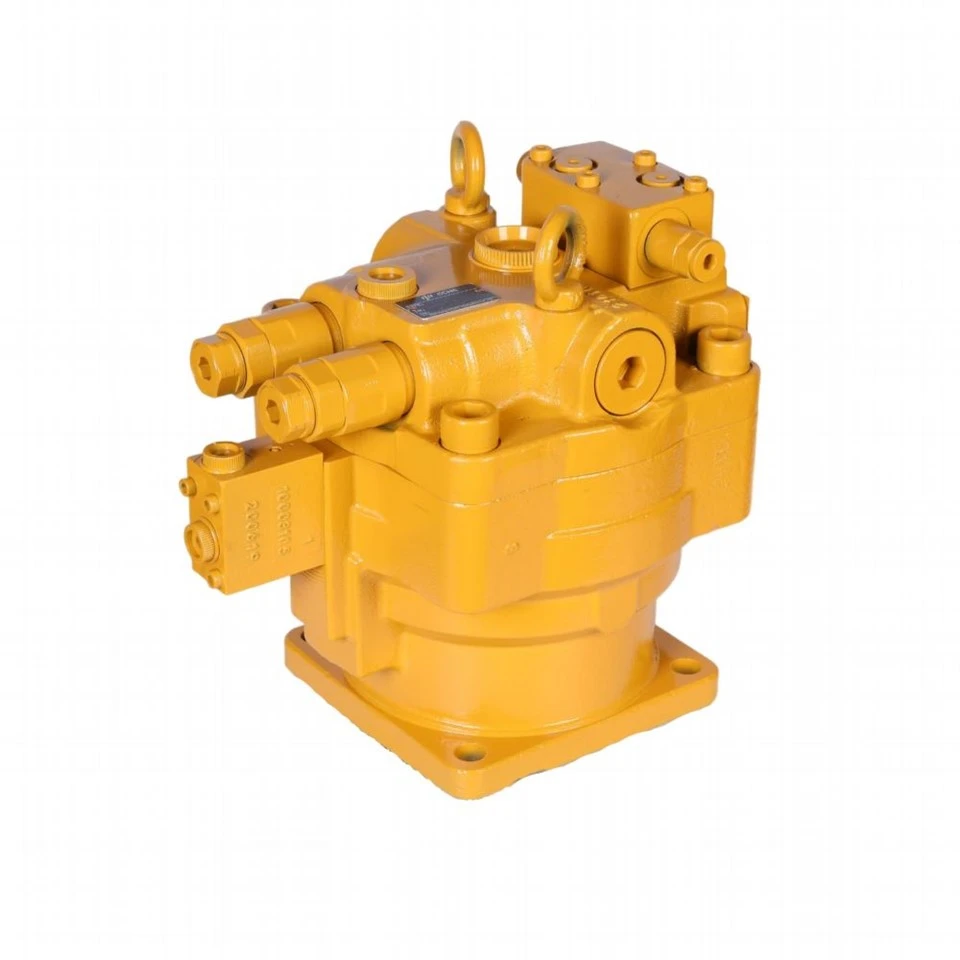
As a motor supplier, we offer a wide range of motor products to meet the needs of our customers. Our products include 30-36T Hydraulic Motor | KYB MAG-180VP-6000, 20-28T Swing Motor | MA180W01-321036, and 25-30T Hydraulic Motor | KYB MAG-170VP-3800. These motors are designed to provide high performance and reliability in a variety of applications.
Conclusion
Controlling a motor is a complex process that requires a thorough understanding of the motor's characteristics and the requirements of the application. By choosing the right motor and control method, you can ensure that your application operates efficiently and effectively. If you have any questions about motor control or need help choosing the right motor for your application, please feel free to contact us. We are a leading motor supplier and can provide you with the expertise and support you need to succeed.
References
- Electric Machinery Fundamentals, Stephen J. Chapman
- Control Systems Engineering, Norman S. Nise
- Mechatronics: An Integrated Approach, David G. Alciatore and Michael B. Histand


