



Yo! As a wheel loader supplier, I'm super stoked to break down how a wheel loader's bucket works. It's one of those things that seems simple on the surface but has a whole lot going on beneath. So, let's dive right in!
First off, what's the deal with the bucket? Well, it's the business end of the wheel loader, the part that does the heavy lifting - literally! Whether it's scooping up dirt, gravel, sand, or even snow, the bucket is where it all happens. It's like the hands of the wheel loader, grabbing and moving materials around the job site.
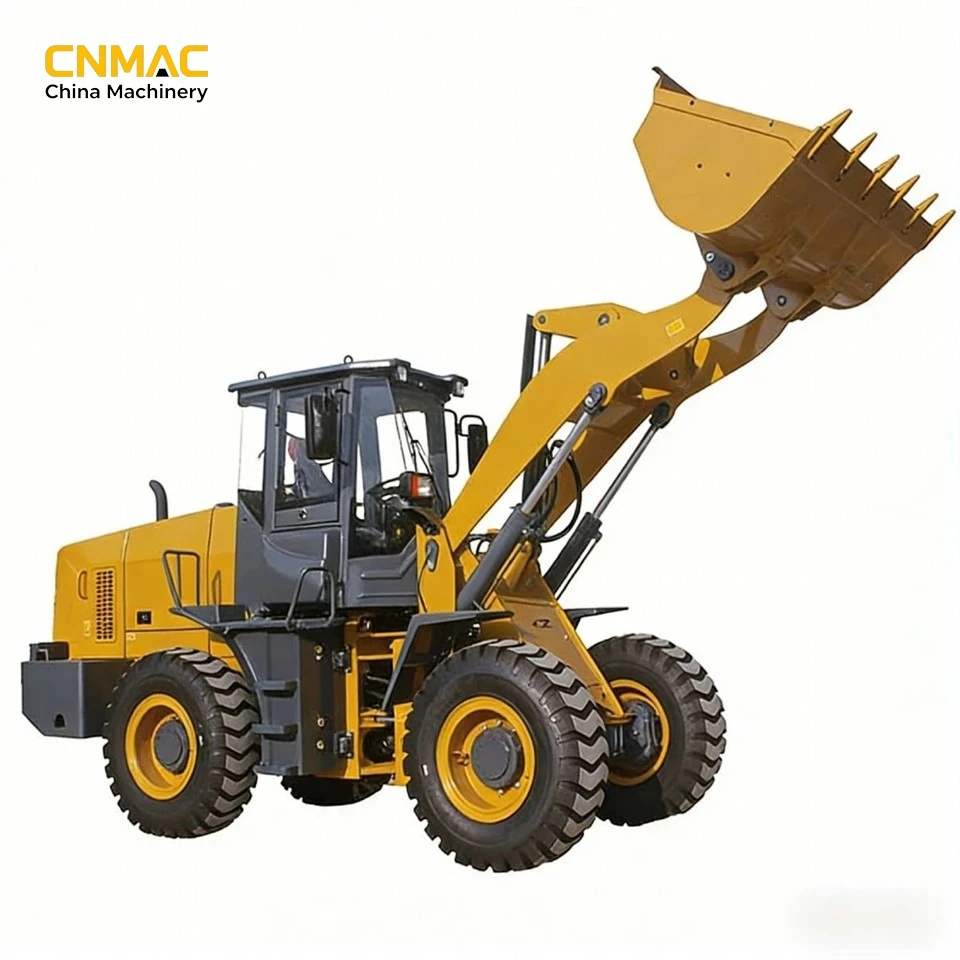
The design of the bucket is crucial. It needs to be strong enough to withstand the forces of digging and loading, but also shaped in a way that makes it efficient at scooping. Most buckets are made from high - strength steel to handle all the wear and tear. The shape is usually curved at the bottom, which helps it slide smoothly into the material being scooped. The edges are sharpened to cut through the ground or pile more easily.
Now, let's talk about how it gets powered. The bucket is connected to the wheel loader through a hydraulic system. Hydraulics are basically super - powerful liquid - based muscles for the machine. When the operator wants to move the bucket, they use controls in the cab to direct hydraulic fluid into specific cylinders. These cylinders are like pistons - when the fluid is forced into them, they extend or retract, moving the arms that hold the bucket up, down, forward, or backward.
For example, when you want to scoop up some dirt, you lower the bucket to the ground. The hydraulic cylinders connected to the arms of the bucket are retracted to bring the bucket down. Then, as the wheel loader moves forward, the sharp edges of the bucket cut into the dirt. Once the bucket is filled, the operator uses the controls to send hydraulic fluid into the cylinders to lift the arms and raise the loaded bucket off the ground.
The bucket also has a tilting mechanism. This is handy for dumping the material exactly where you want it. When it's time to unload, the operator can use the hydraulic controls to tilt the bucket forward. The angle of the tilt can be adjusted depending on how much material you want to release and where you want to place it. Some wheel loaders even have a rapid dump function, which quickly tilts the bucket all the way forward to unload the material in a hurry.
One cool thing about modern wheel loader buckets is the features they come with. For instance, there are some buckets with teeth on the edges. These teeth can be super useful when you're dealing with harder materials like rock or compacted soil. They dig in deeper and break up the material better. And there are also quick - coupler attachments for the bucket. This means you can swap out the bucket for other tools, like a fork or a grapple, depending on the task at hand. It's like having a multi - tool on your wheel loader!
Let's talk about the capacity of the bucket. Different wheel loaders come with different sized buckets to suit various jobs. For smaller jobs around a construction site or a landscaping project, a smaller bucket might be all you need. But for big - scale mining or large construction projects, you'll want a larger bucket to move more material in less time.
We offer a range of wheel loaders with different bucket capacities. For example, our 3T Wheel Loader | 636 has a bucket that's perfect for medium - sized tasks. It can handle a good amount of material but is still maneuverable in tight spaces. And if you need a real workhorse, our 5T Wheel Loader | 656 comes with a larger bucket, capable of moving huge amounts of material in each scoop.

When it comes to operating the bucket, the skill of the operator plays a big role. A good operator knows how to use the controls to get the most out of the bucket. They can adjust the speed of the wheel loader, the depth of the bucket's dig, and the angle of the tilt to optimize the loading and unloading process. It takes practice to become really good at it, but once you've mastered it, you can get a lot of work done quickly and efficiently.
Maintenance of the bucket is also important. Regularly checking for wear and tear on the edges, teeth (if it has them), and the hydraulic connections is a must. If there are any cracks or signs of damage, it's important to get them fixed right away to avoid any safety issues or a decrease in performance.
In conclusion, the bucket of a wheel loader is a vital part of the machine. It's designed to be strong, efficient, and versatile. Whether you're in the construction industry, mining, or just doing some landscaping work, having a well - functioning bucket on your wheel loader can make a huge difference in how much work you can get done.
If you're in the market for a wheel loader and want to learn more about how our buckets can meet your needs, don't hesitate to reach out for a chat. We're here to help you find the perfect wheel loader for your specific project and answer any questions you might have about the buckets or the machines themselves.
References
- Industry - standard guides on wheel loader design and operation
- Manufacturer's manuals for our wheel loaders


