
Hey there! As a supplier of Cummins diesel engines, I'm super stoked to dive into the world of the valve train in a Cummins diesel engine. The valve train is a crucial part of these engines, and understanding it can give you a better grasp of how these powerhouses work.
So, what exactly is the valve train? Well, in simple terms, the valve train is responsible for controlling the flow of air and fuel into the engine's cylinders and the exhaust gases out of them. It's like the traffic cop of the engine, making sure everything moves in and out at the right time.
Let's break down the main components of the valve train in a Cummins diesel engine. First up, we've got the camshaft. The camshaft is like the conductor of an orchestra. It has a series of lobes that push on the valve lifters, which in turn open and close the valves. The shape and size of these lobes determine when and how long the valves stay open.
Next, we have the valve lifters. These are small components that sit between the camshaft and the valves. When the camshaft lobe pushes on the lifter, it transfers the motion to the valve, causing it to open. There are different types of lifters, such as hydraulic lifters and mechanical lifters. Hydraulic lifters are self - adjusting, which means they can compensate for wear and tear over time, while mechanical lifters require periodic adjustment.
Then, there are the pushrods. Pushrods are long rods that transfer the motion from the lifters to the rocker arms. They play a vital role in transmitting the force generated by the camshaft to the valves. In a Cummins diesel engine, the pushrods need to be strong and durable to withstand the high forces involved.
The rocker arms are another important part of the valve train. They act as levers that multiply the force from the pushrods and transfer it to the valves. The rocker arms pivot on a shaft and open and close the valves at the right time.
Now, why is the valve train so important in a Cummins diesel engine? Well, a well - functioning valve train ensures efficient combustion. By controlling the intake of air and fuel and the expulsion of exhaust gases, it allows the engine to run smoothly and produce power. If the valve train isn't working properly, it can lead to a whole bunch of problems, like reduced power, poor fuel efficiency, and even engine damage.
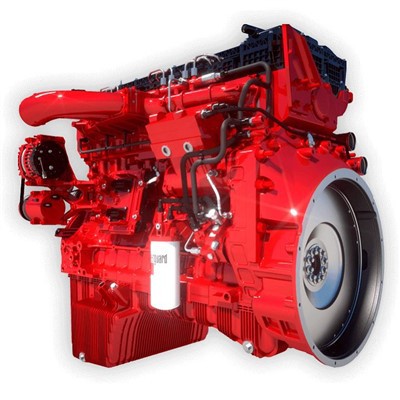
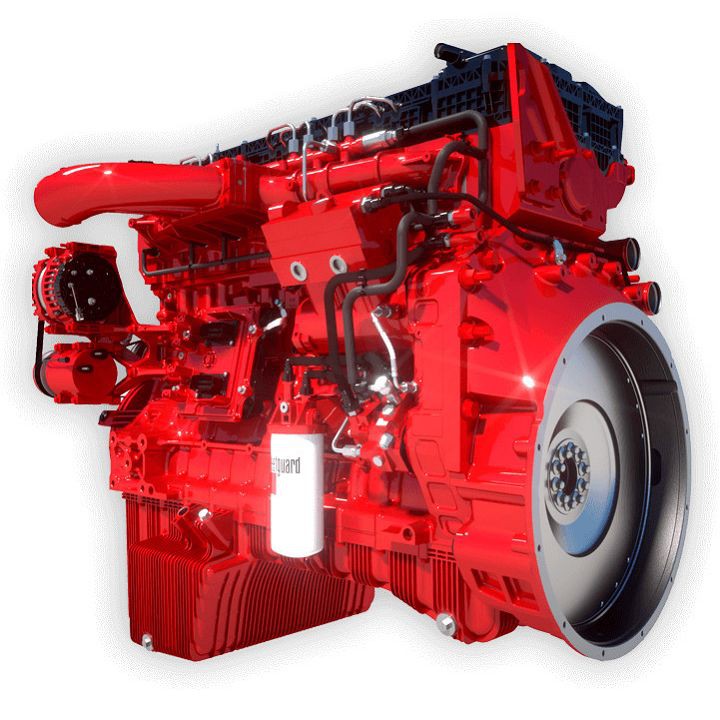
Let's talk about some of the different models of Cummins diesel engines we supply. We've got the Cummins Engine M15 (308KW 420HP). This engine is a real workhorse, and its valve train is designed to handle high - power applications. The camshaft and other components are engineered to provide precise valve timing, which is essential for the engine to perform at its best.
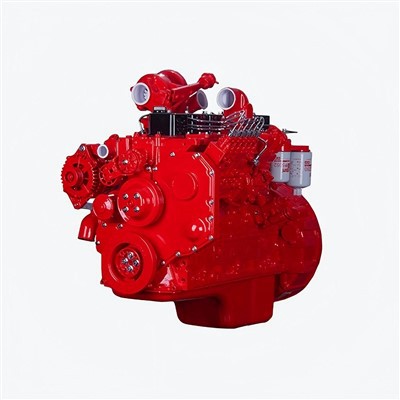
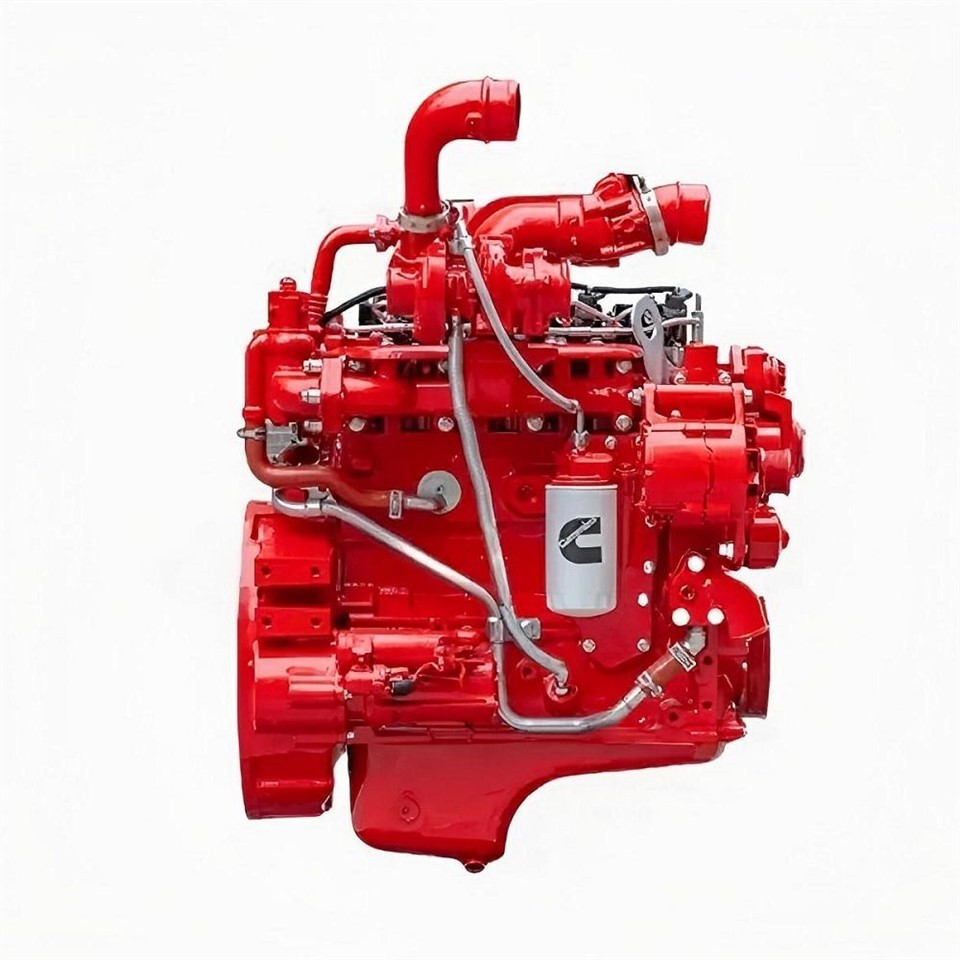
Another great option is the Cummins Engine B3.9 (59KW 80HP). This engine is more compact and is often used in smaller vehicles or equipment. The valve train in this engine is optimized for efficiency and reliability, making it a popular choice for a variety of applications.
And then there's the Cummins Engine B7 (126KW 169HP). It strikes a good balance between power and efficiency. The valve train in this engine is designed to provide smooth operation and consistent performance.
Maintaining the valve train in a Cummins diesel engine is crucial. Regular maintenance, such as checking the valve clearances, can prevent issues like valve leakage and excessive wear. It's also important to use high - quality lubricants to keep all the components of the valve train running smoothly.
In a Cummins diesel engine, the valve train is a complex but well - engineered system. It's what makes these engines so reliable and powerful. Whether you're using a small - scale engine like the B3.9 or a high - power engine like the M15, the valve train plays a key role in the engine's performance.
If you're in the market for a Cummins diesel engine or need more information about the valve train or any other engine components, don't hesitate to reach out. We're here to help you find the right engine for your needs and provide you with top - notch support.
References:
- Cummins Diesel Engine Technical Manuals
- Industry - related articles on diesel engine technology