



When it comes to road construction and maintenance, the performance of road rollers is a critical factor, especially on wet roads. As a combined road roller supplier, I have witnessed firsthand the challenges and requirements of operating these machines in wet conditions. In this blog, I will delve into the performance of combined road rollers on wet roads, exploring their capabilities, limitations, and the factors that influence their effectiveness.
Understanding the Combined Road Roller
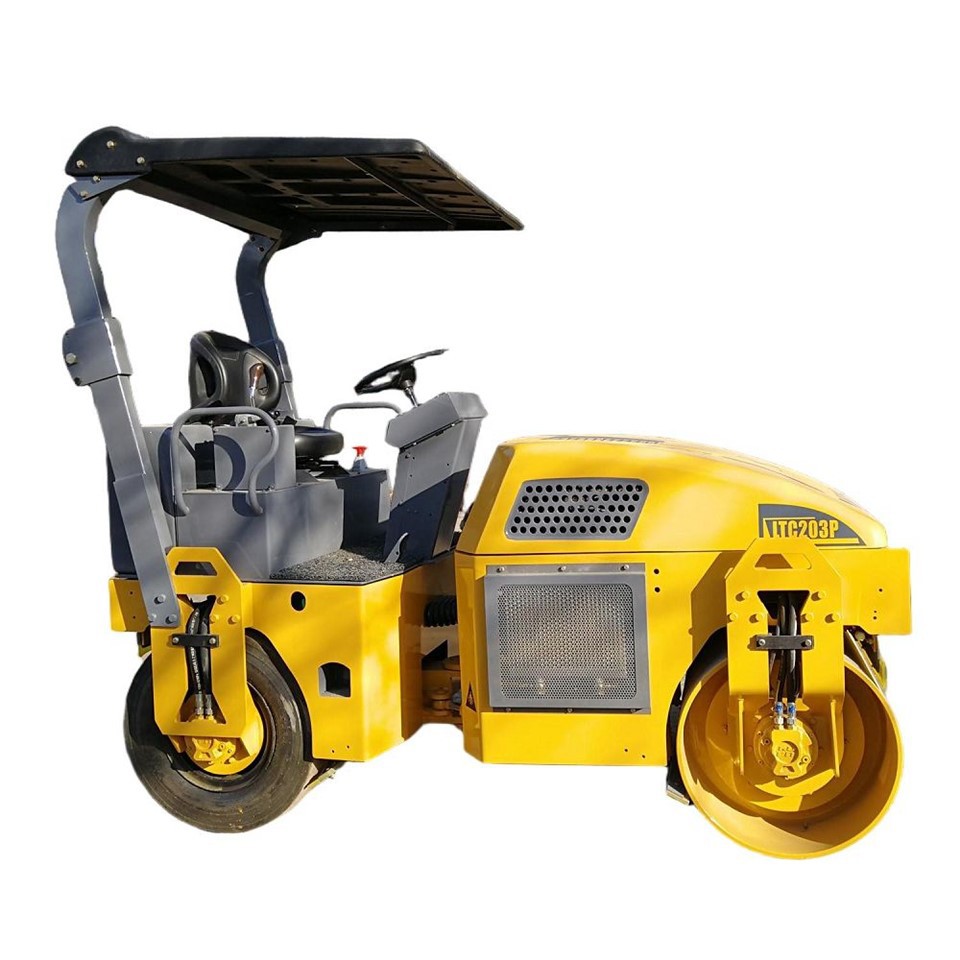
A combined road roller is a versatile machine that combines the functions of a vibratory roller and a static roller. It is designed to compact various types of road surfaces, including asphalt, gravel, and soil. The combination of vibration and static pressure allows for efficient compaction, ensuring a smooth and durable road surface.
Performance on Wet Roads
The performance of a combined road roller on wet roads is significantly different from that on dry roads. The presence of water on the road surface affects the compaction process in several ways:
1. Reduced Friction
Water acts as a lubricant, reducing the friction between the road roller's drums and the road surface. This can lead to a decrease in traction, making it more difficult for the roller to move forward and apply the necessary pressure for compaction. As a result, the roller may slip or skid, which can affect the quality of the compaction and increase the risk of accidents.
2. Increased Moisture Content
Wet roads have a higher moisture content, which can affect the compaction characteristics of the road material. Excessive moisture can cause the material to become soft and unstable, making it more difficult to achieve the desired compaction density. In addition, the presence of water can also lead to the formation of air voids in the compacted material, which can reduce its strength and durability.
3. Corrosion and Damage
The exposure to water can also cause corrosion and damage to the road roller's components. The moisture can penetrate the machine's hydraulic system, electrical components, and metal parts, leading to rust and corrosion. This can affect the performance and reliability of the roller, increasing the maintenance and repair costs.

Factors Affecting Performance
Several factors can influence the performance of a combined road roller on wet roads:
1. Roller Design
The design of the road roller plays a crucial role in its performance on wet roads. Rollers with a larger drum diameter and width can provide more contact area with the road surface, increasing the compaction force and improving traction. In addition, rollers with a smooth drum surface can reduce the risk of skidding and improve the compaction quality.
2. Compaction Method
The compaction method used on wet roads can also affect the performance of the road roller. For example, using a vibratory compaction method can help to increase the compaction density and reduce the air voids in the compacted material. However, excessive vibration can also cause the material to become too soft and unstable, leading to a decrease in compaction quality.
3. Road Conditions
The condition of the road surface can also affect the performance of the road roller on wet roads. For example, roads with a high slope or uneven surface can make it more difficult for the roller to maintain traction and apply the necessary pressure for compaction. In addition, the presence of debris or other obstacles on the road surface can also affect the performance of the roller.
Our Combined Road Rollers
At our company, we offer a range of combined road rollers that are designed to perform well on wet roads. Our 3T Combined Hydraulic Drive Road Roller | LTC203P and 4T Combined Hydraulic Drive Road Roller | LTC204P are equipped with advanced features and technologies that enhance their performance on wet roads.
1. High Traction
Our road rollers are designed with a large drum diameter and width, providing more contact area with the road surface and increasing traction. In addition, the rollers are equipped with a hydraulic drive system that provides smooth and powerful operation, ensuring optimal performance on wet roads.
2. Efficient Compaction
Our road rollers are equipped with a vibratory compaction system that can be adjusted to suit the specific requirements of the road surface. The vibratory system helps to increase the compaction density and reduce the air voids in the compacted material, ensuring a smooth and durable road surface.
3. Corrosion Resistance
Our road rollers are made of high-quality materials that are resistant to corrosion and damage. The rollers are coated with a special paint that protects them from the effects of water and other environmental factors, ensuring long-term performance and reliability.
Conclusion
In conclusion, the performance of a combined road roller on wet roads is influenced by several factors, including the roller design, compaction method, and road conditions. At our company, we offer a range of combined road rollers that are designed to perform well on wet roads, providing high traction, efficient compaction, and corrosion resistance. If you are in the market for a combined road roller, we encourage you to contact us to learn more about our products and how they can meet your specific needs.


