

Turbocharged engines have been a significant advancement in the automotive and industrial engine sectors. As an engine supplier, I've witnessed firsthand the numerous advantages that turbocharged engines bring to the table. In this blog, I'll delve into the key benefits of turbocharged engines and how they can enhance performance, efficiency, and overall value.
1. Increased Power Output
One of the most prominent advantages of a turbocharged engine is its ability to significantly increase power output without a substantial increase in engine size. A turbocharger is essentially a forced - induction device that compresses the air entering the engine. By forcing more air into the combustion chamber, more fuel can be burned, resulting in a more powerful explosion and, consequently, more power.
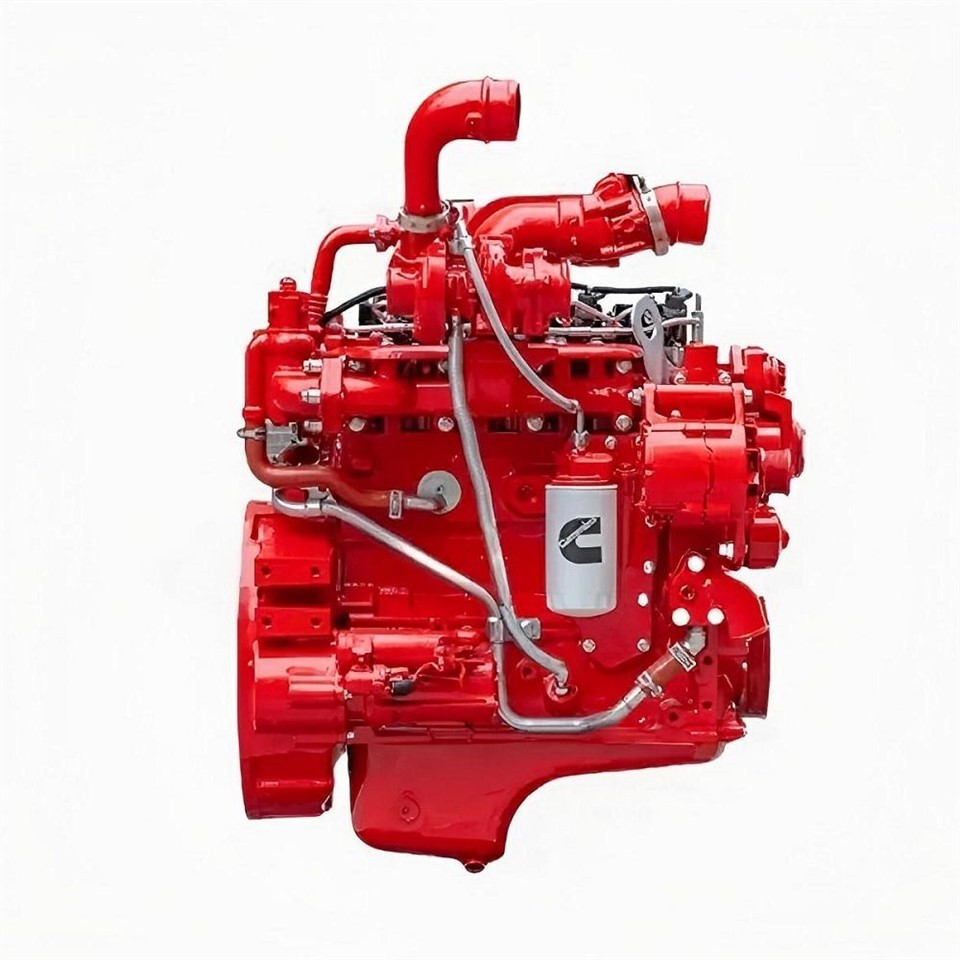
For example, a naturally - aspirated engine might produce a certain amount of horsepower. But when fitted with a turbocharger, it can generate a much higher level of power. This is particularly useful in applications where space is limited, such as in small cars or compact industrial machinery. Our Cummins Engine B7 (126KW 169HP) with a turbocharged option can deliver a remarkable power boost compared to its non - turbocharged counterparts, making it suitable for a wide range of vehicles and equipment.
2. Improved Fuel Efficiency
Contrary to what some might think, turbocharged engines can actually improve fuel efficiency. Since they can extract more power from a smaller engine, they don't need to work as hard to achieve the same performance as a larger naturally - aspirated engine. This means less fuel is consumed to produce the required power.
Turbochargers allow engines to operate more efficiently by optimizing the air - fuel mixture. The compressed air enables a more complete combustion of the fuel, reducing wasted energy. In modern turbocharged engines, advanced engine management systems can adjust the turbocharger's operation based on driving conditions. For instance, during highway cruising, the turbocharger can operate at a lower level, conserving fuel. Our Cummins Engine M15 (308KW 420HP) is designed with a turbocharging system that not only provides high power but also ensures good fuel economy, making it a cost - effective choice for long - haul trucks and heavy - duty equipment.
3. Altitude Compensation
Another advantage of turbocharged engines is their ability to compensate for altitude. As altitude increases, the air becomes thinner, which can significantly reduce the performance of a naturally - aspirated engine. A turbocharger, however, can compress the thinner air at high altitudes to a level similar to that at sea level.
This means that a turbocharged engine can maintain its power output even when operating at high elevations. For example, in mountainous regions or high - altitude construction sites, a turbocharged engine will perform better than a non - turbocharged one. Our Cummins Engine B3.9 (59KW 80HP) is well - suited for such applications, as its turbocharger helps it overcome the challenges posed by high altitudes.

4. Reduced Emissions
Turbocharged engines can contribute to a reduction in emissions. By enabling more complete combustion of the fuel, they produce fewer unburned hydrocarbons and particulate matter. Additionally, since they can achieve the same power with a smaller engine, they generally have a lower carbon footprint.
Modern turbocharged engines are often equipped with advanced emission control systems that work in conjunction with the turbocharger. These systems can further reduce harmful emissions, such as nitrogen oxides (NOx). As environmental regulations become more stringent, turbocharged engines offer a viable solution for meeting these requirements.
5. Enhanced Torque
Turbocharged engines typically have a broader torque curve compared to naturally - aspirated engines. Torque is the rotational force that an engine produces, and a wider torque curve means that the engine can deliver power more smoothly across a wider range of engine speeds.
This is beneficial for applications where quick acceleration and smooth power delivery are important, such as in sports cars and heavy - duty vehicles. The increased torque at lower engine speeds allows for better low - end performance, making it easier to start from a standstill and climb steep hills.
6. Compact Design
Turbochargers allow for a more compact engine design. Since a turbocharged engine can produce the same amount of power as a larger naturally - aspirated engine, it can be smaller in size. This is advantageous in applications where space is at a premium, such as in marine vessels, aircraft, and small cars.
A smaller engine also means less weight, which can improve the overall performance and fuel efficiency of the vehicle or equipment. The compact design of turbocharged engines also makes them easier to install and maintain.
7. Flexibility in Applications
Turbocharged engines offer a high degree of flexibility in various applications. They can be used in cars, trucks, buses, boats, construction equipment, and even generators. The ability to adjust the turbocharger's performance allows for customization based on the specific requirements of each application.
For example, in a car, a turbocharger can be tuned for better acceleration and performance, while in a generator, it can be optimized for continuous power output. This flexibility makes turbocharged engines a popular choice for a wide range of industries.
Conclusion
In conclusion, turbocharged engines offer a multitude of advantages, including increased power output, improved fuel efficiency, altitude compensation, reduced emissions, enhanced torque, compact design, and flexibility in applications. As an engine supplier, we understand the importance of these benefits and strive to provide high - quality turbocharged engines that meet the diverse needs of our customers.
If you're interested in learning more about our turbocharged engines or are considering a purchase, we encourage you to reach out to us for a detailed discussion. We're here to help you find the best engine solution for your specific requirements.
References
- Heywood, J. B. (1988). Internal Combustion Engine Fundamentals. McGraw - Hill.
- Stone, R. (2012). Introduction to Internal Combustion Engines. Pearson Education.