



As a reliable Cummins diesel engine supplier, I understand the importance of maintaining the performance and longevity of these powerful engines. One crucial aspect of engine maintenance is the regeneration of the Diesel Particulate Filter (DPF). In this blog post, I will share some insights on how to regenerate the DPF in a Cummins diesel engine, ensuring optimal engine performance and compliance with emission standards.
Understanding the DPF
The Diesel Particulate Filter is an essential component in modern diesel engines, designed to capture and remove particulate matter (PM) from the exhaust gases. Over time, the DPF accumulates soot and other particles, which can lead to increased backpressure and reduced engine performance. Regeneration is the process of burning off the accumulated soot in the DPF, restoring its functionality and ensuring efficient engine operation.
Types of DPF Regeneration
There are two main types of DPF regeneration: passive and active.
Passive Regeneration
Passive regeneration occurs naturally during normal engine operation when the exhaust gas temperature is high enough to burn off the soot in the DPF. This typically happens during highway driving or when the engine is under heavy load. The high exhaust gas temperature triggers a chemical reaction that oxidizes the soot, converting it into carbon dioxide and water vapor.
Active Regeneration
Active regeneration is a process that is initiated by the engine control unit (ECU) when the DPF reaches a certain level of soot accumulation. The ECU increases the exhaust gas temperature by injecting additional fuel into the exhaust system, which raises the temperature in the DPF and burns off the accumulated soot. Active regeneration can be either automatic or manual.
Automatic Active Regeneration
Automatic active regeneration is the most common method of DPF regeneration. The ECU monitors the soot level in the DPF and initiates the regeneration process when necessary. During automatic active regeneration, the engine control unit adjusts the engine parameters to increase the exhaust gas temperature and initiate the combustion of the soot in the DPF. This process typically takes place while the vehicle is in motion and does not require any driver intervention.

Manual Active Regeneration
Manual active regeneration is a process that can be initiated by the driver when the DPF warning light illuminates on the dashboard. This indicates that the DPF has reached a critical level of soot accumulation and requires immediate regeneration. To initiate manual active regeneration, the driver must follow the instructions provided in the vehicle's owner's manual. This usually involves bringing the vehicle to a safe location, engaging the parking brake, and following a specific sequence of steps to start the regeneration process.
Tips for Successful DPF Regeneration
To ensure successful DPF regeneration and maintain the performance of your Cummins diesel engine, consider the following tips:
- Drive regularly at highway speeds: Highway driving at a consistent speed allows the exhaust gas temperature to reach the level required for passive regeneration. This helps to prevent the accumulation of soot in the DPF and reduces the need for active regeneration.
- Avoid short trips: Short trips at low speeds do not allow the exhaust gas temperature to reach the level required for passive regeneration. This can lead to the accumulation of soot in the DPF and increase the frequency of active regeneration.
- Use high-quality fuel: Using high-quality fuel with a low sulfur content can help to reduce the amount of soot produced by the engine and improve the efficiency of the DPF regeneration process.
- Follow the manufacturer's maintenance schedule: Regular maintenance, including oil changes, air filter replacements, and fuel filter replacements, is essential for the proper functioning of the DPF and the overall performance of the engine.
- Monitor the DPF warning light: The DPF warning light on the dashboard indicates that the DPF has reached a critical level of soot accumulation and requires immediate regeneration. If the warning light illuminates, follow the instructions provided in the vehicle's owner's manual to initiate the regeneration process.
Cummins Diesel Engines and DPF Regeneration
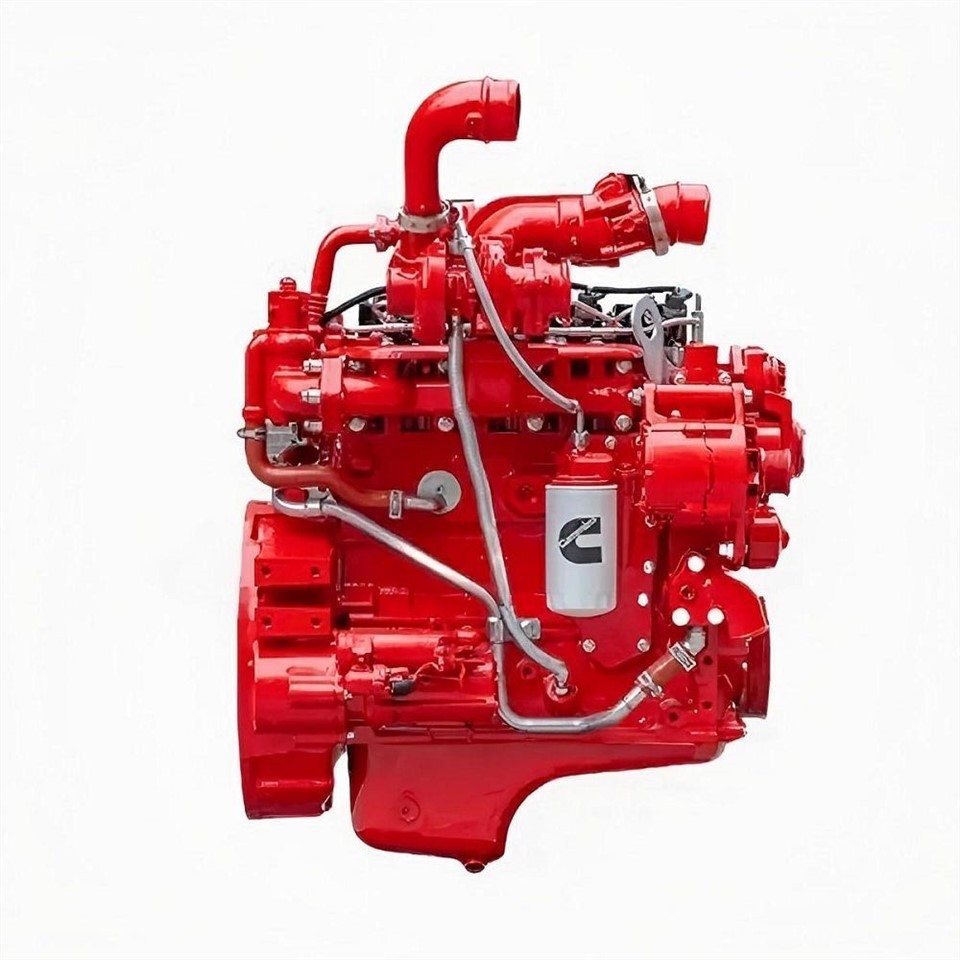
Cummins diesel engines are equipped with advanced DPF technology that ensures efficient and reliable operation. The company offers a range of diesel engines, including the Cummins Engine B3.9 (59KW 80HP), Cummins Engine B5.9 (96KW 130HP), and Cummins Engine B7 (126KW 169HP), which are designed to meet the strictest emission standards.
Cummins engines are equipped with a sophisticated engine control unit (ECU) that monitors the soot level in the DPF and initiates the regeneration process when necessary. The ECU uses a variety of sensors to measure the exhaust gas temperature, pressure, and flow rate, and adjusts the engine parameters to ensure optimal DPF regeneration.
Conclusion
Regenerating the DPF in a Cummins diesel engine is an essential part of engine maintenance that ensures optimal engine performance and compliance with emission standards. By understanding the different types of DPF regeneration and following the tips provided in this blog post, you can ensure the efficient and reliable operation of your Cummins diesel engine.
If you are interested in purchasing a Cummins diesel engine or have any questions about DPF regeneration, please contact us for more information. Our team of experts is available to provide you with the support and guidance you need to make the right decision for your business.
References
- Cummins Inc. (2023). Diesel Particulate Filter (DPF) Maintenance Guide.
- Society of Automotive Engineers (SAE). (2023). Recommended Practices for Diesel Particulate Filter Regeneration.
- Environmental Protection Agency (EPA). (2023). Diesel Emission Control Strategies.


