



Hey there! I'm an engine supplier, and today I'm gonna talk about how to check engine timing. Engine timing is super crucial for the proper functioning of an engine. It determines when the valves open and close, as well as when the spark plug fires in a gasoline engine or when the fuel is injected in a diesel engine. If the timing is off, it can lead to all sorts of problems, like poor performance, reduced fuel efficiency, and even engine damage.
Why Engine Timing Matters
Before we dive into how to check engine timing, let's quickly understand why it's so important. The right timing ensures that the engine runs smoothly and efficiently. When the valves open and close at the right time, the air-fuel mixture can enter and exit the cylinders properly. This allows for complete combustion, which means more power and better fuel economy. On the other hand, incorrect timing can cause misfires, rough idling, and a loss of power.
Tools You'll Need
To check engine timing, you'll need a few tools. First off, you'll need a timing light. This is a special tool that uses a strobe light to illuminate the timing marks on the engine. You'll also need a socket set to remove any covers or components that are blocking the timing marks. Additionally, a feeler gauge can be useful for checking the valve clearances, which are related to the engine timing.
Step-by-Step Guide to Checking Engine Timing
- Prepare the Engine: Make sure the engine is turned off and cool. Disconnect the battery to prevent any accidental starts. Remove any covers or components that are blocking the timing marks. These marks are usually located on the crankshaft pulley or the flywheel.
- Locate the Timing Marks: The timing marks are usually engraved or painted on the crankshaft pulley or the flywheel. They indicate the position of the piston at top dead center (TDC) and the correct timing for the ignition or fuel injection. Refer to your engine's service manual to find the exact location of the timing marks.
- Connect the Timing Light: Connect the timing light to the battery and the spark plug wire of the first cylinder. Make sure the connections are secure.
- Start the Engine: Start the engine and let it idle. Point the timing light at the timing marks on the crankshaft pulley or the flywheel. The strobe light will illuminate the marks, making them easier to see.
- Check the Timing: Compare the position of the timing marks to the specifications in your engine's service manual. The marks should line up with the specified timing for your engine. If the marks are off, you'll need to adjust the timing.
- Adjust the Timing: To adjust the timing, you'll need to loosen the distributor clamp bolt and rotate the distributor. Turning the distributor clockwise will advance the timing, while turning it counterclockwise will retard the timing. Make small adjustments and check the timing again until it's within the specified range.
- Recheck the Timing: After making the adjustments, recheck the timing to make sure it's correct. If it's still off, you may need to make further adjustments or have the engine checked by a professional.
Checking Engine Timing on Different Engines
Different engines may have different methods for checking and adjusting the timing. For example, some engines have electronic ignition systems that are controlled by a computer. In these cases, you may need a special diagnostic tool to check and adjust the timing.
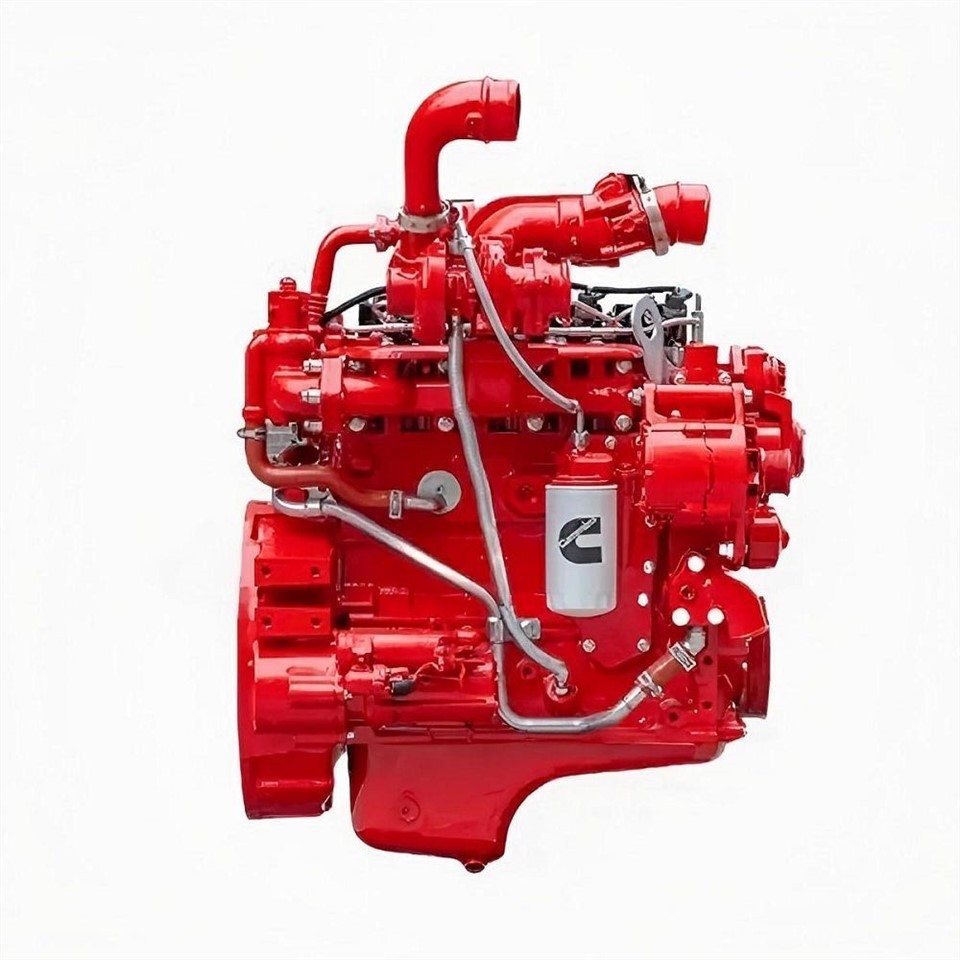
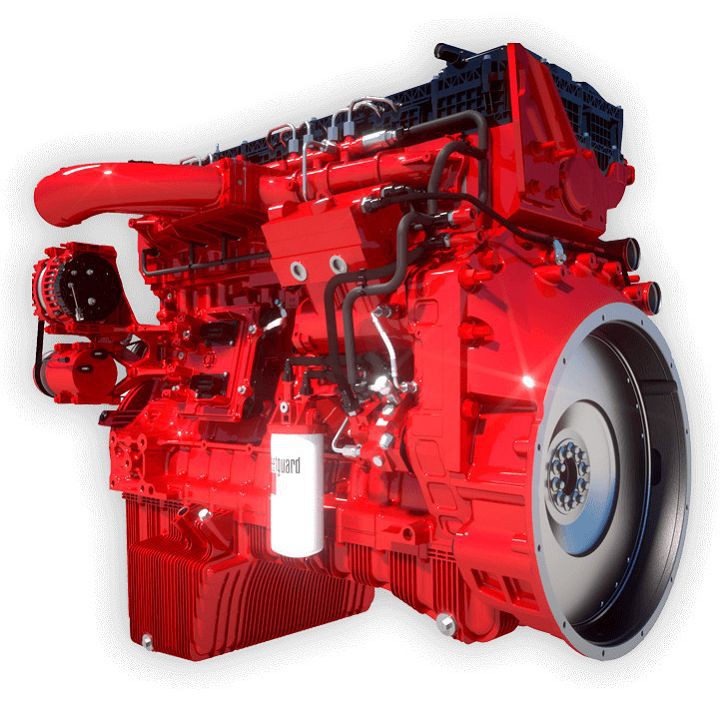
Let's take a look at a few specific engines from our product range. We offer a variety of Cummins engines, including the Cummins Engine B3.9 (59KW 80HP), the Cummins Engine M15 (308KW 420HP), and the Cummins Engine L8.9 (164KW 220HP). Each of these engines has its own unique timing requirements, so it's important to refer to the specific service manual for each engine.
Tips for Checking Engine Timing
- Always refer to your engine's service manual for the correct timing specifications and procedures.
- Make sure the engine is in good condition before checking the timing. A worn or damaged engine may have inaccurate timing.
- Use a high-quality timing light to ensure accurate readings.
- Take your time and make small adjustments when adjusting the timing. It's better to make several small adjustments than one large one.
- If you're not comfortable checking or adjusting the timing yourself, it's best to have it done by a professional mechanic.
Conclusion
Checking engine timing is an important part of engine maintenance. By following the steps outlined in this blog post, you can ensure that your engine is running at its best. Remember, if you have any questions or need further assistance, don't hesitate to reach out. We're here to help you find the right engine for your needs and provide you with the support you need to keep it running smoothly.
If you're interested in purchasing an engine or have any questions about our products, feel free to contact us. We'd be happy to discuss your requirements and help you make the right choice.
References
- Engine Service Manuals
- Automotive Repair Guides


